
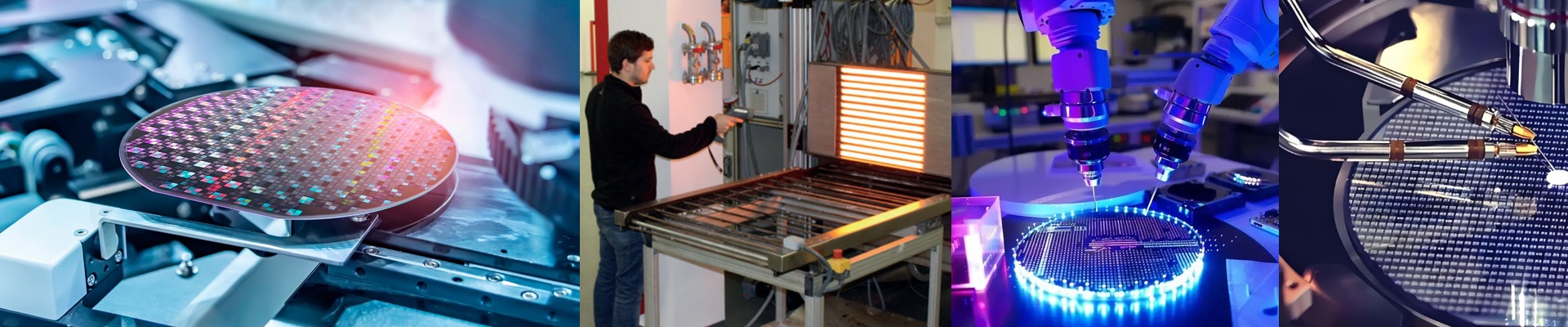
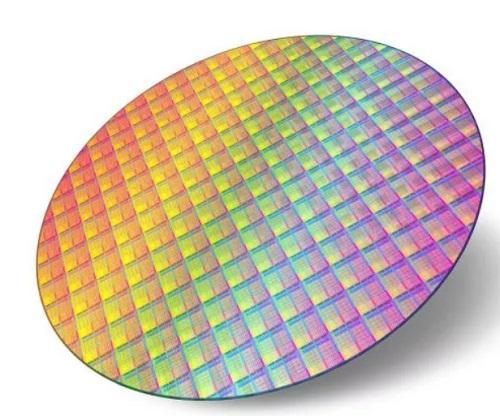
On the line, photoresist bake repeatability is the baseline—no wiggle room. A few degrees of drift across the wafer and you’re printing a 0.1 μm line width error, then watching it compound through every lithography layer. We built our reflector for wafer curing lamps to kill that variability. It shapes the infrared into a stable, sub-millimeter thermal field, so your soft bake and hard bake stay in spec, batch after batch. What matters, technically This reflector is tuned for NIR delivery with tight angular control, mapping intensity to within ±0.1°C across the wafer plane. The geometry is optimized for uniformity, not peak flux, because photoresist cure lives and dies on consistent thermal budget. The surface is engineered for low particulate and stable reflectance, keeping particle counts where they need to be in Class 1–100 cleanrooms. And output repeatability holds over 5,000+ hours, with less than 5% intensity drift even under 24/7 operation. Here’s why it works where you run it. You push wafers through lithography, then onto bake plates where time, temperature, and uniformity set the critical dimensions. The reflector locks down the lamp’s thermal profile, cutting hot spots and edge roll-off that drive non-uniform critical dimension and scumming. The payoff is tighter across-wafer uniformity, fewer reworks, and yield you can plan around. You also save energy, because the system hits the required thermal dose without overshoot—lowering operating cost per wafer. A couple of shop-floor notes. The reflector drops into standard curing lamp fixtures, but alignment tolerance is tight—sub-millimeter offsets will shift the uniformity map. Set it up with a controlled procedure and lock it in as part of your preventive maintenance. Reflector life depends on operating temperature and the cleanroom environment, too; heavy solvent vapor exposure will shorten the coating life. Schedule replacements to match your uptime targets, and you won’t get surprised on the line.