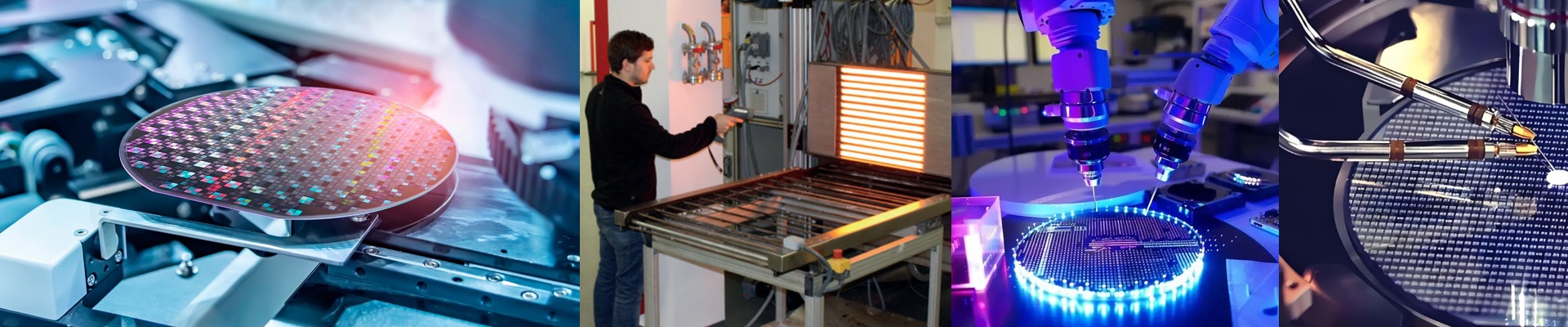
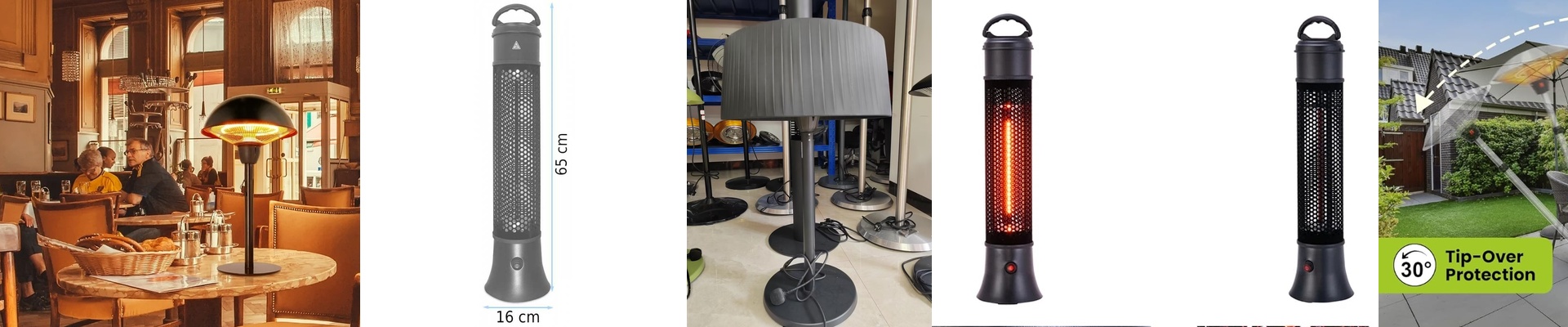
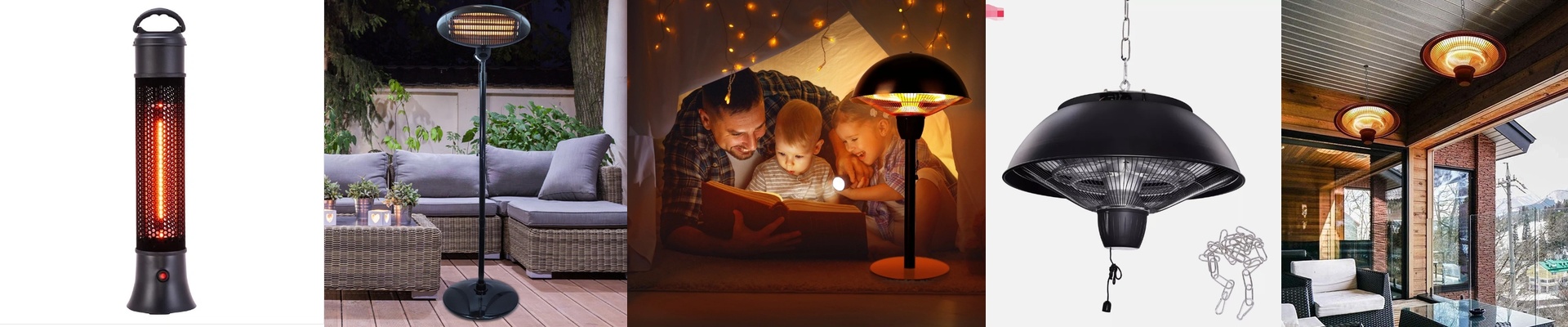
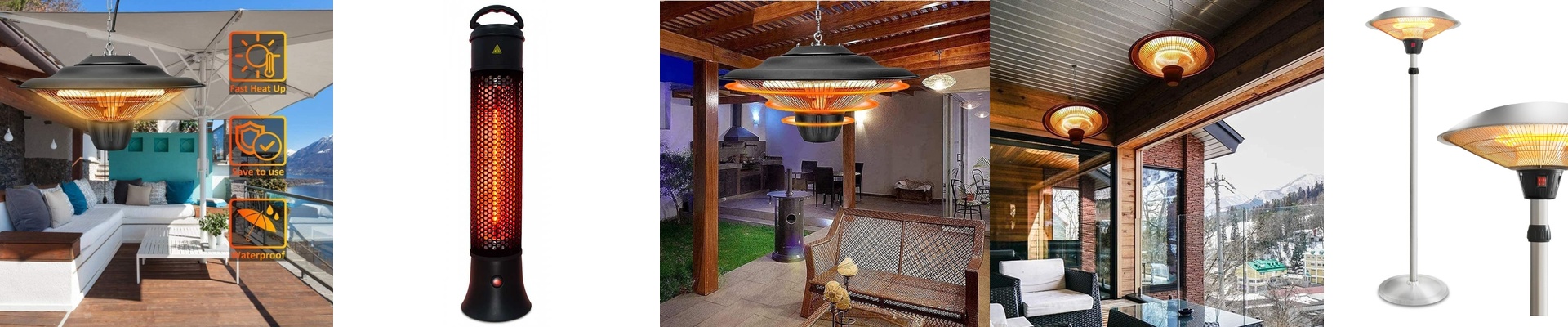
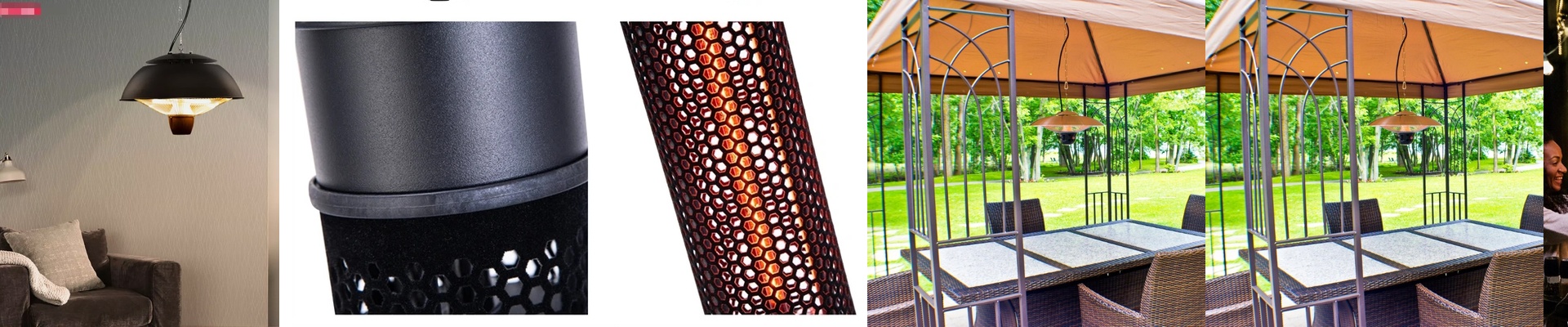

Back on the factory floor, the hum is constant and the heat is on. Before any infrared electric heater ships out, it spends time running full-load—hot, cycling on and off, proving it can handle what the real world throws at it. We do this because comfort shouldn’t feel touch-and-go. When the temperature dives, you need warmth that just shows up and does the job, night after night.
What matters, technically
Infrared electric heaters deliver radiant heat, warming people and surfaces directly instead of trying to heat the air. Inside, a carbon fiber or quartz element turns electricity into directional warmth that feels steady and even. Specs matter because they shape comfort and control. Match the model to your voltage and circuit—typically 120V or 240V—and confirm whether you’re using a plug or a hardwire setup. A built-in thermostat holds the space at the set point, while overheat protection and tip-over protection sit quietly in the background. For outdoor use, look for an IP rating that reflects resistance to dust and spray, so the heater keeps performing on the patio or in the workshop.
Why we run them hard before they ship
That 100% full-power aging test is why the switch feels trustworthy. Every unit runs at max output until it stabilizes, then it gets inspected again. The payoff is fewer surprises: consistent output, predictable cycling, and a lower chance of early failure. In practice, that means you get comfort faster when you step outside, steadier warmth through long evenings, and fewer headaches about replacements.
What you should know before you set it up
Placement matters. Keep the heater at a safe distance from combustibles, and make sure it sits on a stable surface where tip-over protection can actually do its job. Indoors, maintain adequate ventilation and match the heater to the room size. Outdoors, keep the unit out of direct heavy rain, and confirm the outlet and cord are rated for damp locations. If you plan to run high-wattage heaters regularly, a dedicated circuit is the smart way to go.