Introduction
Heating a giant warehouse is a weirdly specific headache. You’re not trying to warm up the empty air way up in the rafters. You just need to make the people on the floor, and the spots where they work, actually comfortable. Traditional forced-air systems just throw energy at the whole building, and that’s a huge waste. We built our commercial electric infrared heater to solve this problem. Plain and simple, it puts the heat right where you need it, when you need it, without blowing your electricity budget.
Power and Precision: The How and Why
We designed these heaters to be strong and totally focused. They run on standard industrial power, so they deliver a lot of punch without tripping your warehouse circuits. The magic is in the design. A lot of power is packed into a small space. That means you get serious heat from a unit that stays out of the way. Mount it high, and you can still aim that energy straight down. It’s the same principle as the sun. The infrared energy warms objects and people directly, not the air around them. So when the wind blows or a door opens, you’re not losing all your heat.
Built to Take a Beating
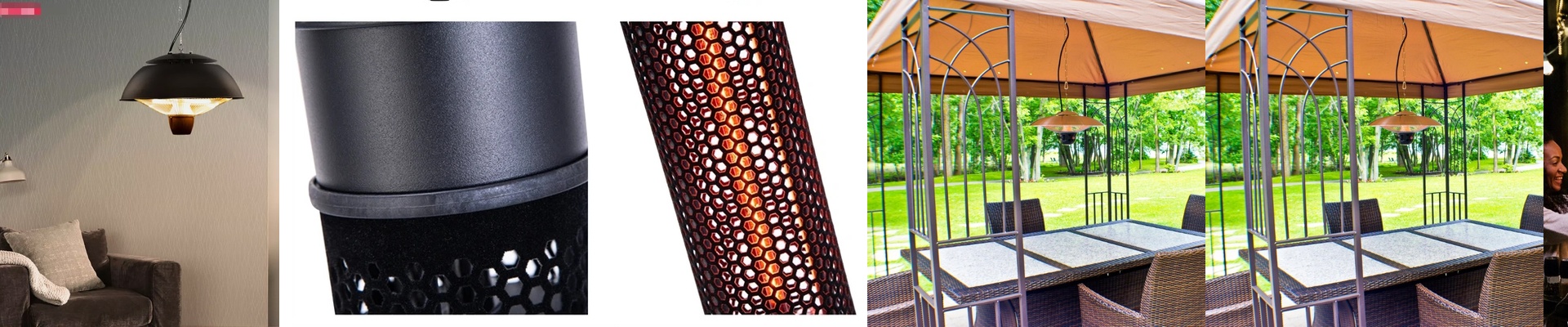
Here’s what’s inside: a halogen heating element inside a quartz envelope. This combo heats up fast and is built to last, even when you’re turning it on and off all day. The filament inside is tough enough to handle the jolt of power cycling without breaking. And the R7s connector? That’s just a smart, practical choice. It’s a solid, standard connection that makes installation quick and replacements a breeze when you’re out on the floor. This isn’t some delicate piece of equipment. It’s made to live in a real industrial world, surrounded by dust and constant vibration, and keep on working.
Heat on Demand: Warmth, Not Waste
The biggest win in a big warehouse is control. Wire these units to occupancy sensors or zone controls. When someone walks into an aisle, the heater for that spot turns on. When the area is empty, it goes idle. This “heat on demand” approach cuts out the energy you waste keeping the whole building warm when no one is there. Now, because the heat is directional, placement matters. You have to plan it out so the beam hits the work area perfectly, without creating hot spots on equipment. But when you get it right, it’s a great feeling. Workers step into their zone and feel the warmth instantly. The wasted heat is gone, replaced by targeted, real comfort.