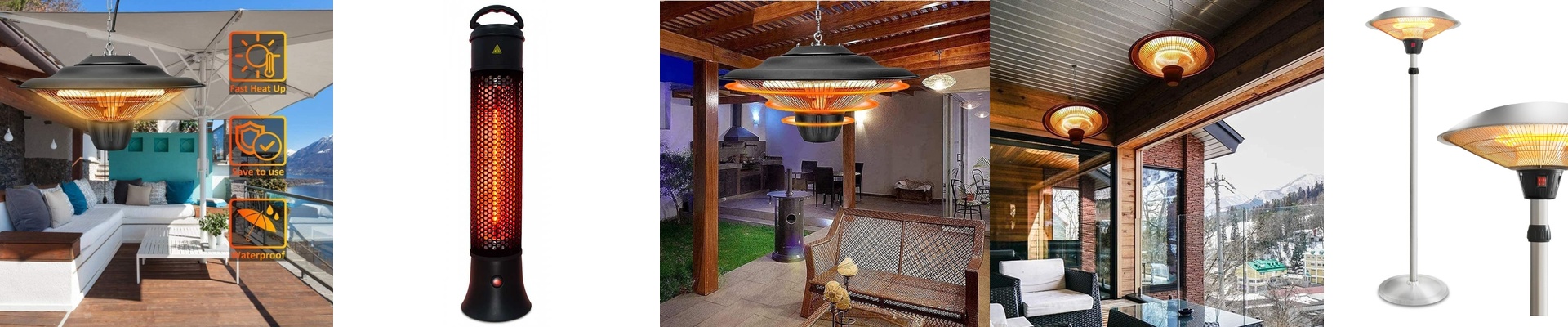
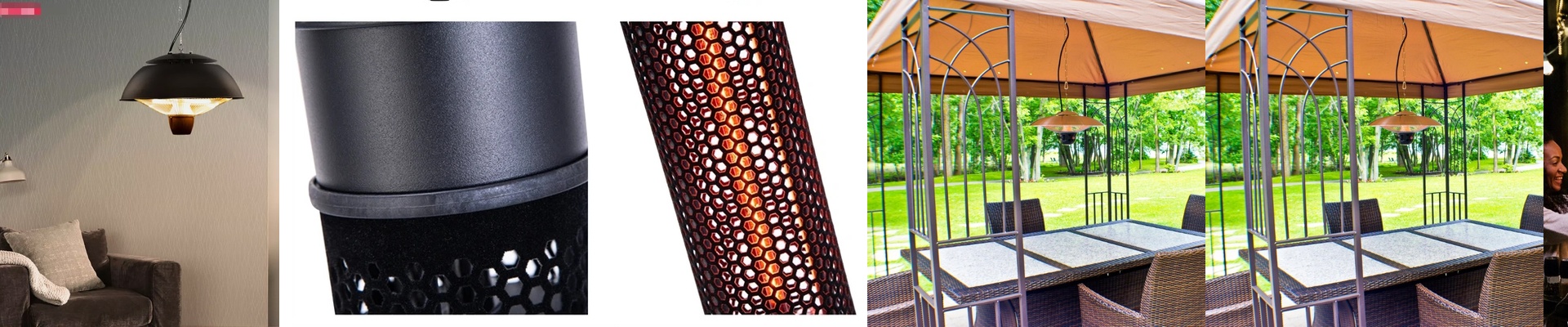
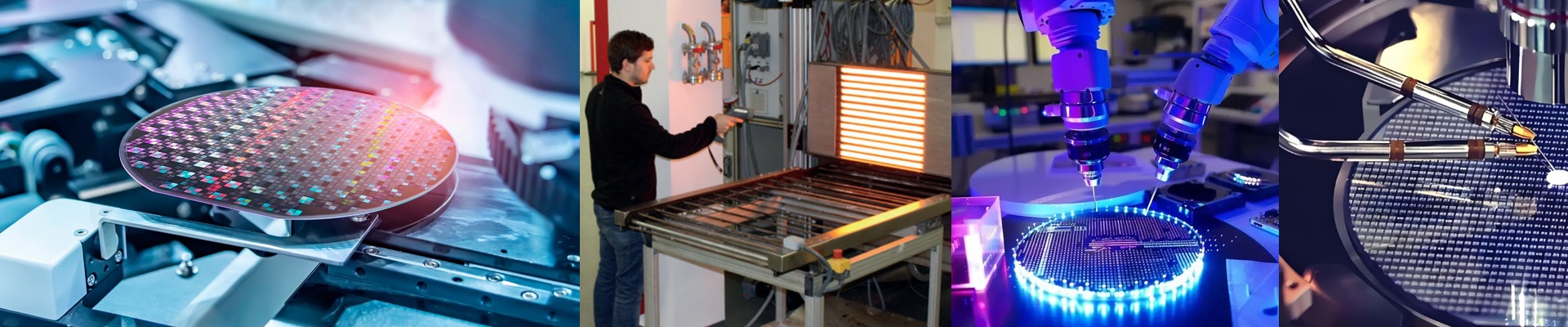
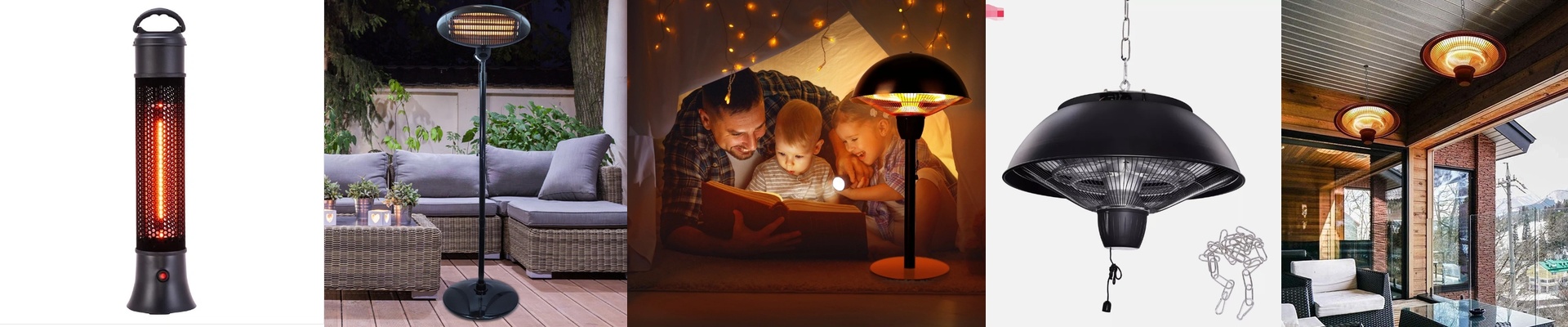
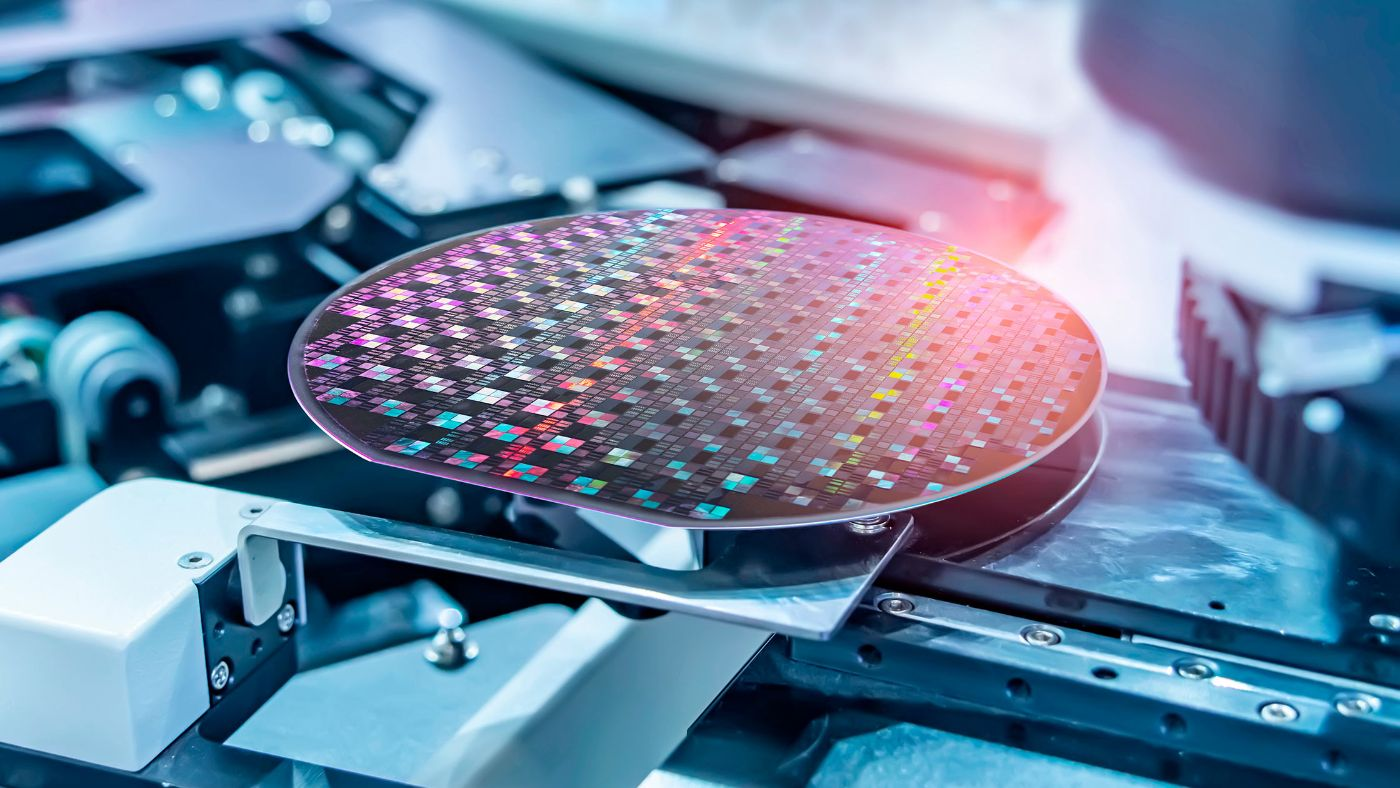
On the fab floor, photoresist processing doesn’t forgive thermal drift. A soft bake that’s even 0.5°C off target starts spreading CD variation across the wafer. Hard bake instability? That’s how you get scumming and adhesion problems. Conventional lamps make it worse by generating ozone, which chews up photoresist and pushes particle counts up—especially in Class 1–100 cleanrooms. Here’s what actually matters. These ozone-free infrared lamps put out short-wave energy with spectral control that lines up with photoresist absorption. That keeps surface-to-bulk temperature gradients tight. Across the bake plate, wafer-level uniformity holds within ±0.1°C, and setpoint repeatability lands at ±0.5°C batch to batch. Zero ozone means no oxidation artifacts and less load on the scrubbers. The quartz envelope is built for low outgassing and minimal particle shedding, so contamination-related yield loss stays off the table. Lithography demands an exact thermal budget. These lamps lock the bake profile in place, 24/7, which cuts rework and keeps unplanned downtime from creeping in. You end up with tighter CD control, fewer edge defects, and line-width performance that holds steady lot after lot. Energy use drops, too—the lamp hits setpoint fast and holds it without overshoot. Expect 5,000+ hours of stable output with under 5% intensity drift, in a cleanroom-compatible design that supports ISO Class 3–5 environments. A few practical notes. Installation needs clean attention to thermal clearances and EMI routing—otherwise you risk local hot spots and electrical noise bleeding into sensitive stages. The lamp’s peak wavelength is tuned for photoresist; if you’re running non-resist thermal steps, plan on reconfiguration. Match the lamp to the chamber footprint, and make sure it plays cleanly with your temperature controller’s PID profile to hit the uniformity and repeatability numbers.