
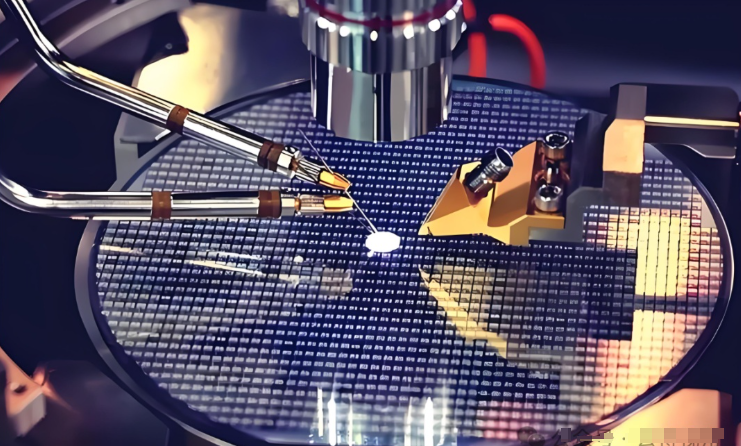
Stop the Shards: Keeping Your Fab Clean When Lamps Fail
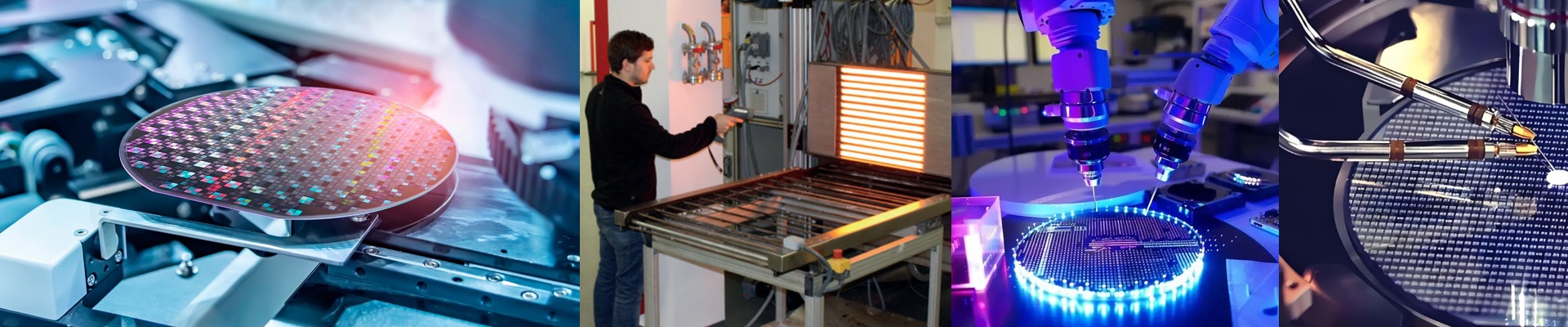
In a high-load fab, a lamp bursting isn’t just a nuisance. It’s a nightmare. One quartz envelope snaps, and suddenly you’ve got glass shards and dust raining down on your wafers. The batch is dead. Now you’re looking at a full line scrub and a lot of wasted time. It’s a mess nobody wants to deal with. That’s why we build our infrared lamps with a “what if” mindset. We focus on materials and guards that keep the glass where it belongs. Dealing with the Heat When you’re power cycling heavy loads, the temperature swings are wild. If your quartz isn’t pure, those swings create micro-cracks. Eventually, they give way. We use high-purity fused quartz because it can actually handle that rapid expansion and contraction without snapping. But here’s the thing: you’ve got to balance your power density with your cooling. If you crank the wattage but don’t have the airflow to match, the lamp just runs too hot. That kills the filament faster and makes a blowout way more likely. Keeping the Debris Out To keep a burst from ruining your day, we don’t just rely on the glass. We use protective shielding. Think of it as a containment strategy. We house the lamp in a reinforced quartz sleeve or a safety cage. If the inner lamp goes, the outer barrier catches the debris before it ever touches a wafer. We also use specialized coatings to stabilize the infrared emission. This stops “hot spots” from forming on the tube—and since those spots are usually where the glass fails first, it’s a huge win for reliability. The Trade-off Now, let’s be honest. Adding these safety layers puts a bit of distance between the heat source and the wafer. You’ll notice a slight dip in direct radiant efficiency compared to a naked lamp. To keep your drying throughput where it needs to be, you might have to tweak your dwell time or bump up the power. It’s a small price to pay. A tiny hit in energy efficiency is nothing compared to the cost of a contaminated fab line.