How Smart Electric Heaters Give You Real, Breathable Warmth
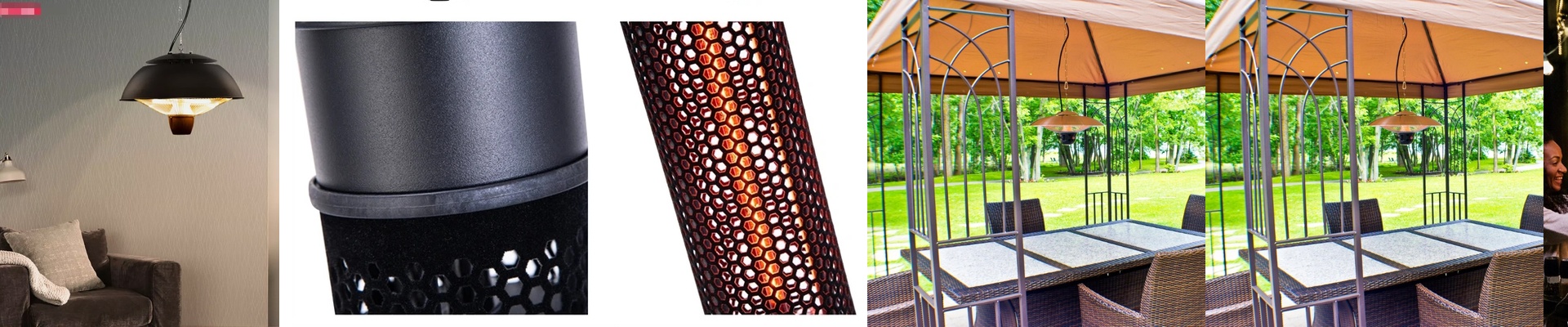
Let’s talk about winter warmth—without the dry, dusty air and the constant hum. We built this smart electric heater to cut through the frustration of old-school convection heating. Instead of wasting energy warming the whole room, it uses a halogen-filled quartz tube that sends out targeted infrared wavelengths. That means it warms people and objects first. Not the air. So you feel the heat faster, with way less air movement. In a modern home where comfort and air quality matter, that’s a big deal.
The power that fits your space
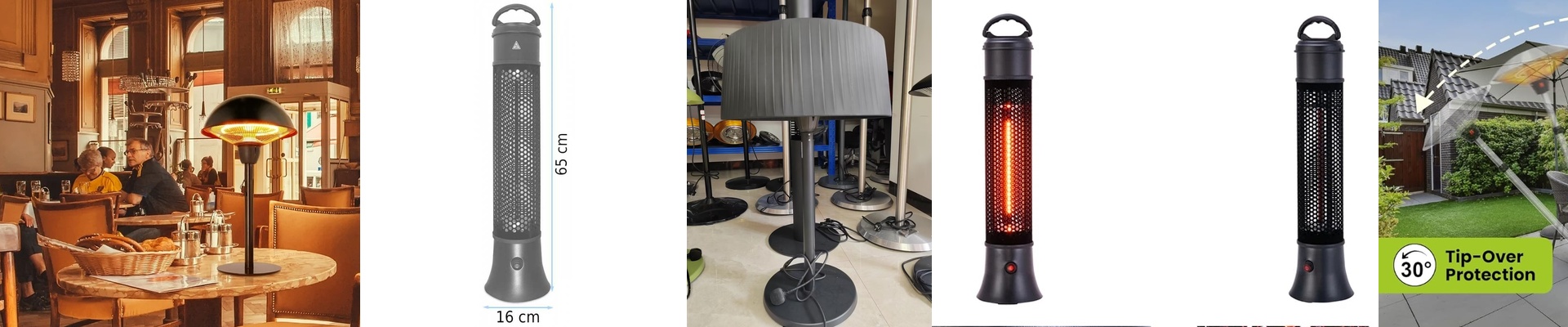
The design is intentionally compact. We kept the tube short so the heater slips into tight spots without making the room feel crowded. But it still delivers high wattage in a small package, so the infrared intensity is strong. Flip it on, and the response is quick.
Wiring that makes sense in the real world
Voltage isn’t chosen by accident. It’s matched to the heating element and ballast, so everything works together cleanly. High-voltage options pull less current for the same power, which keeps wiring runs manageable and eases the strain on connection points. That’s especially helpful on retrofit jobs where rewiring the whole circuit isn’t an option.
The materials that earn their keep
Inside the quartz envelope, the halogen cycle helps keep the filament temperature steady. That’s how you get longer life than a standard incandescent element. Quartz handles high heat without losing clarity, so the infrared output stays consistent. And the R7s connector? It’s a practical, proven industrial interface. It carries high current, stands up to high temperature, and holds firm against vibration and thermal cycling. When it’s time to replace the tube, you can swap it without rewiring the fixture. Simple.
Warmth that’s focused, not wasteful
This setup is for people who want predictable heat they can count on, with straightforward integration. Infrared warmth targets the people in the room, so you don’t have to overheat the entire space. When you only heat what you need, you use less energy—especially during intermittent use.
The trade-offs you should know
Because the heat density is high, you do need proper ventilation and the right fixture spacing. Plan for airflow and thermal clearance.
The smart part supports the physics
The smart controls give you scheduling and temperature management, but the real magic is in the physics. Clean infrared warmth. Minimal draft. It’s the kind of heat you feel immediately—quiet, steady, and easy to live with.