Why We Build Our Outdoor Heaters Like Legos
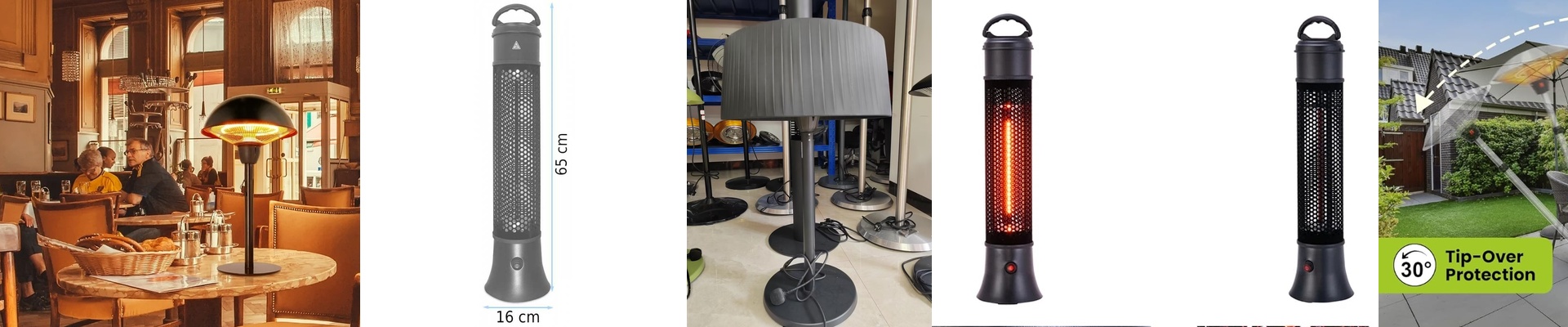
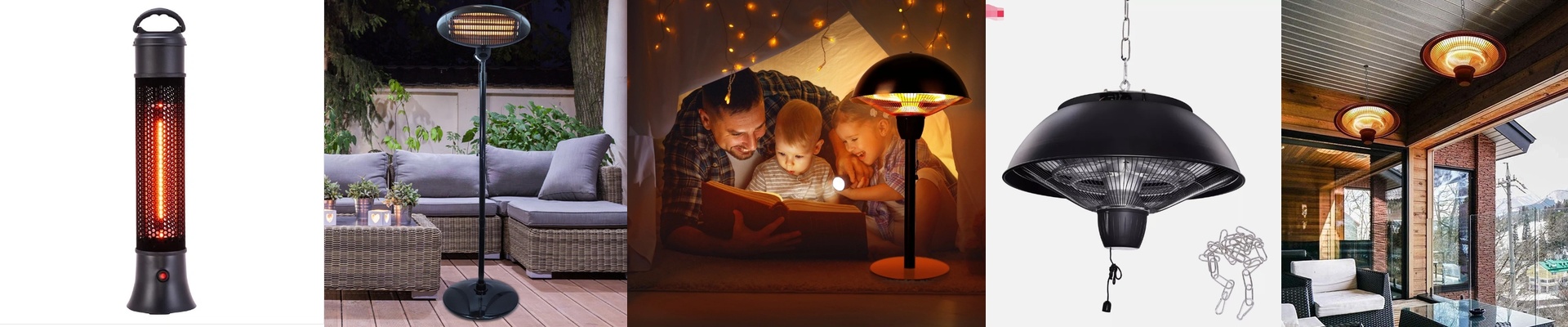
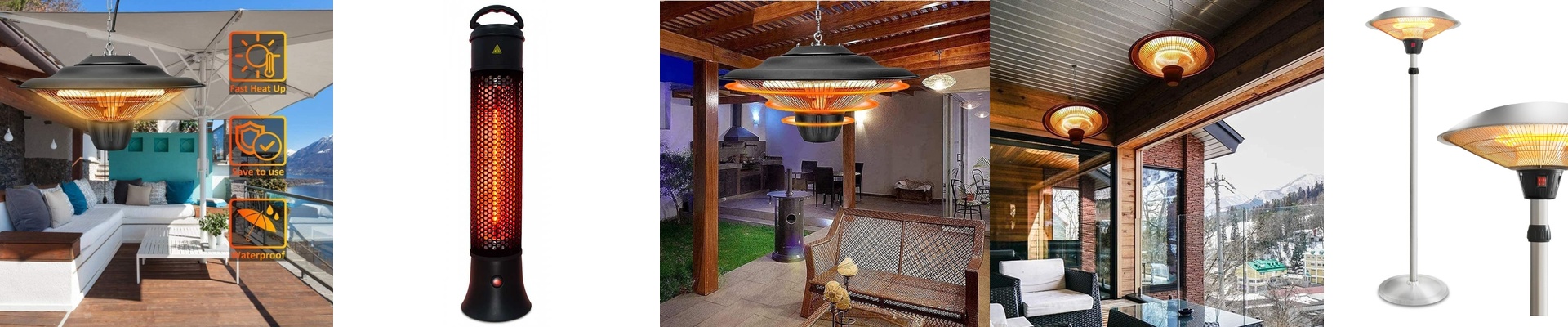
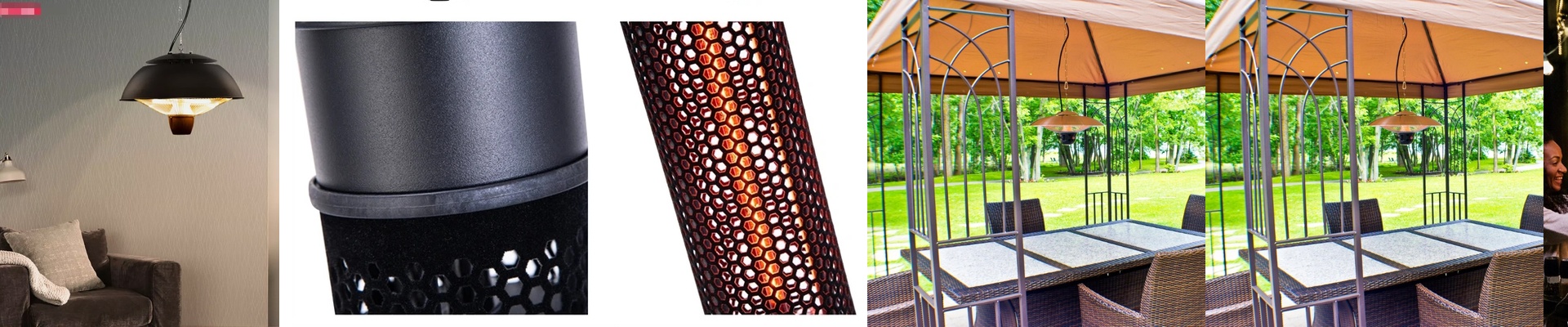
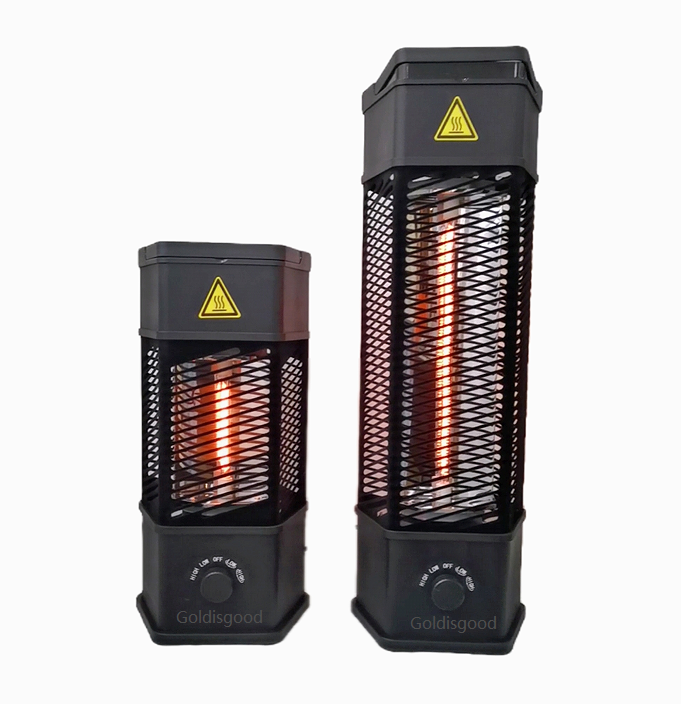
Let’s be honest: outdoor bars and patios are brutal on equipment. Between the rain, the humidity, and the wild temperature swings, most heaters just aren’t built to last. And when they do break? It’s usually a nightmare. We’ve all seen it. A heating tube burns out after a few seasons of heavy use, and because the whole thing is sealed shut, you have to toss the entire chassis in the trash. It’s a waste of money and a huge pain. So, we decided to do things differently. Stop throwing away the whole machine. Instead of hard-wiring everything into one big, permanent block, we went with a modular setup. We use quick-connect terminals and simple slide-in brackets. Here’s how it actually works in the real world: if a tube dies, you don’t have to spend your afternoon stripping wires or tearing apart a waterproof housing. You just pop a locking clip, pull the old tube out, and drop a new one in. It takes minutes. Not hours. Now, there’s a trick to this. Since we use shortwave infrared—which beams heat straight to your customers instead of trying to warm up the cold night air—the units get incredibly hot. Plus, we have to keep the rain out. That creates a bit of a tug-of-war. If you seal a unit too tightly to keep it waterproof, the heat can get trapped around the connectors. To stop things from melting under a full load, we use reinforced wiring and high-temp ceramics. It keeps the electronics dry, but lets the unit breathe. At the end of the day, no heater lasts forever. It’s just physics. Quartz tubes eventually wear out. But when you treat the heating element as a part you just swap out—like a lightbulb—the whole thing becomes way cheaper to own. You aren’t paying for a brand new installation every few years; you’re just replacing a module. Just a quick tip: when you grab a replacement, make sure the wattage matches your original specs. Your circuit board will thank you.