Keep Your Patio Full, Even When It’s Freezing
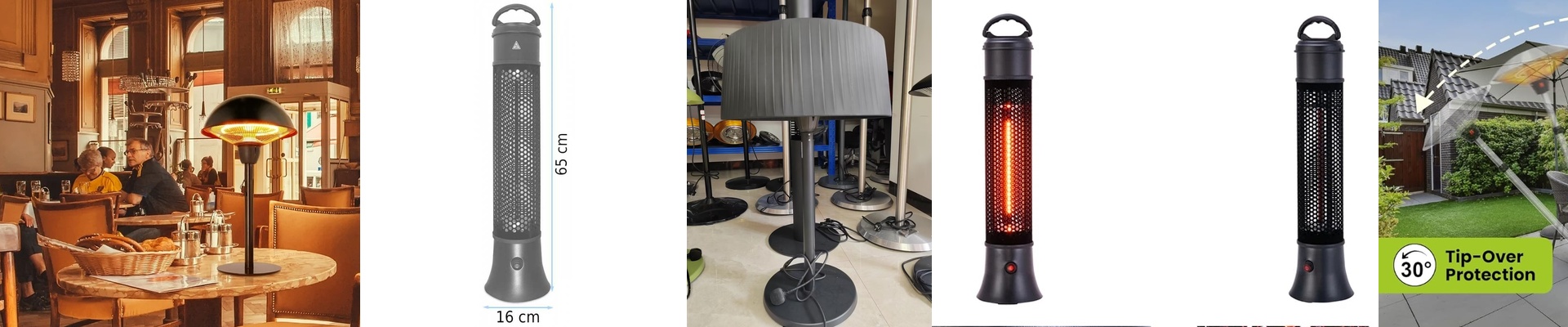
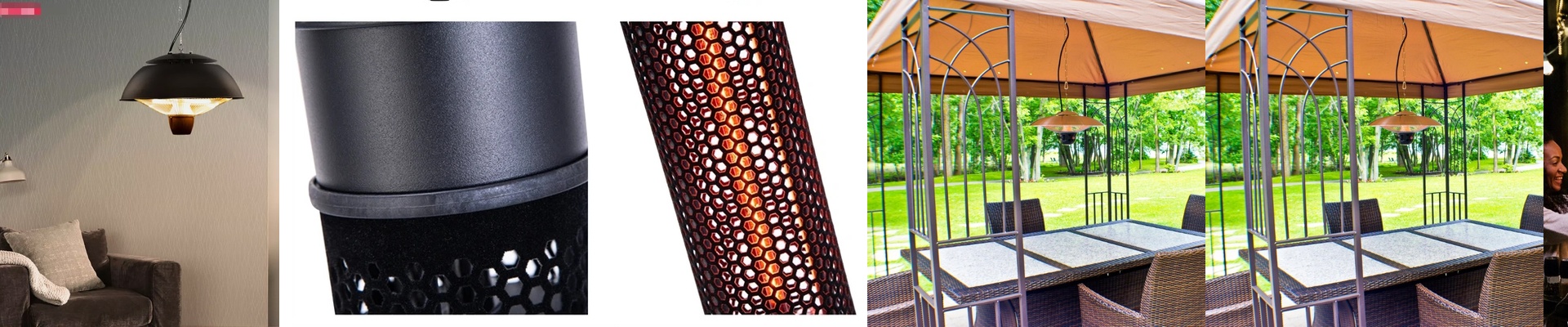
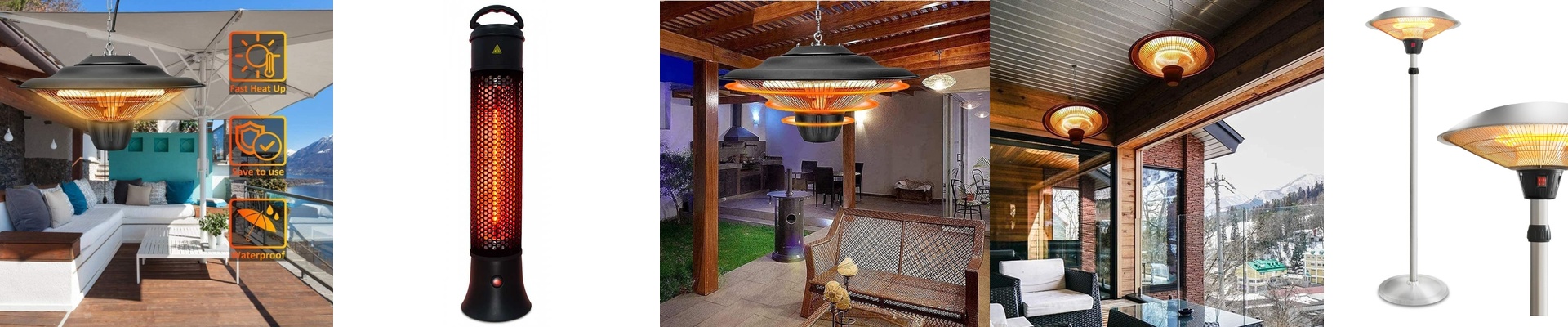
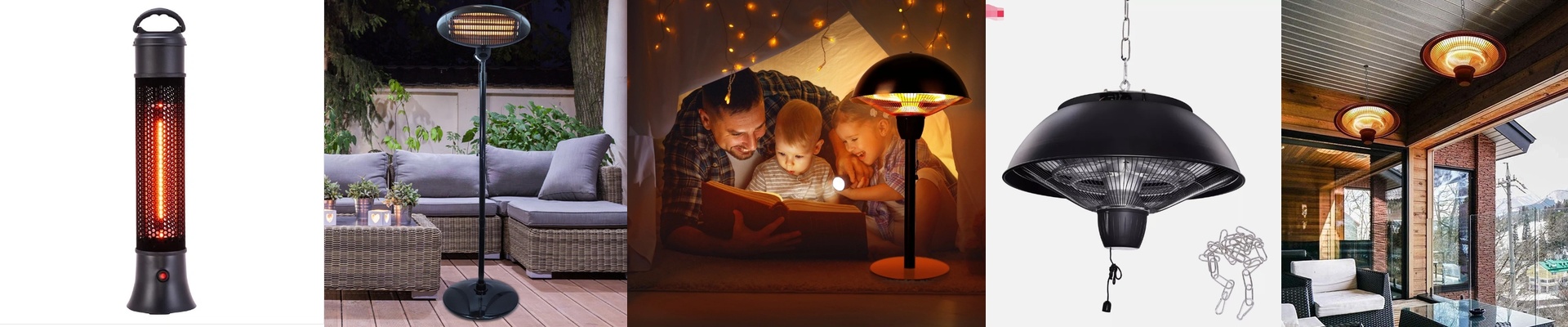
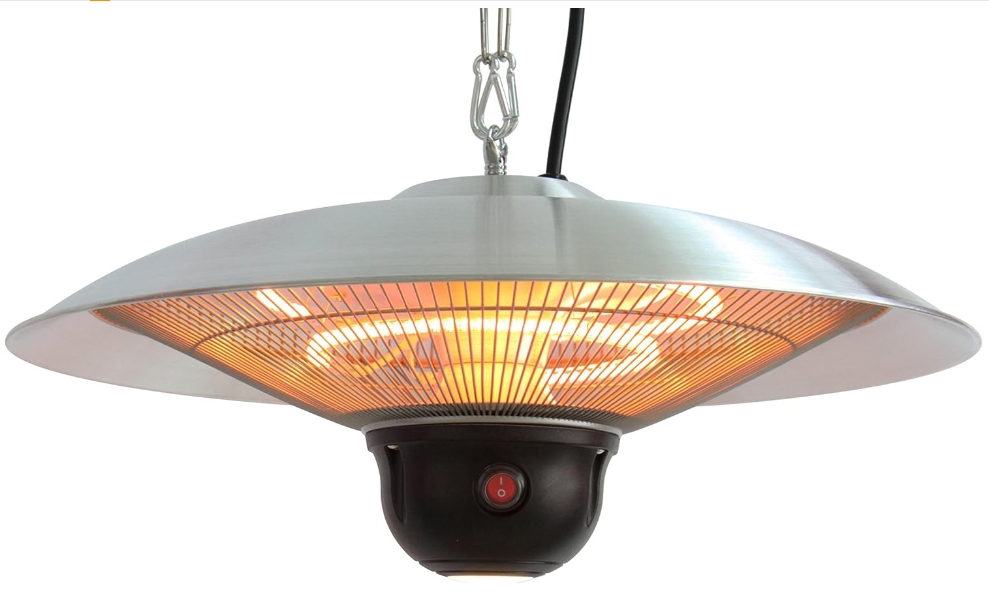
Let’s be honest: nobody wants to sit outside when it’s freezing. If you run a restaurant, you know the feeling. You look out at those empty outdoor tables and see money just floating away because it’s too cold for anyone to stick around. We fix that. But we don’t do it by trying to heat the entire outdoors—which is basically impossible. Instead, we use IP66-rated infrared heaters that beam heat directly onto your guests. It’s like having a personal sun over every table. Built for the worst weather When we say “IP66,” we just mean these things are tough. They’re dust-tight and can handle a heavy downpour or a snowstorm without breaking a sweat. We sealed the chassis tight so moisture can’t get to the electrical parts. No short circuits, no sudden burn-outs, and no headaches for you. The real magic is the short-wave infrared tech. You know those old gas heaters that take forever to warm up the air? These are different. The heat moves at the speed of light and hits your skin and clothes instantly. You sit down. You feel warm. Just like that. Keep them eating (and drinking) Here is the reality: cold guests leave early. They rush through their meal and bolt for the door. By putting these infrared arrays overhead, you create a cozy pocket of warmth right where people are sitting. When guests are comfortable, they linger. They order that extra round of drinks or a dessert they weren’t planning on. It just makes the whole experience feel better. One quick tip on the setup: keep an eye on your power. A high-wattage heater covers more ground, but it pulls more juice. You’ll want to make sure your circuit breakers can handle a few 2kW or 3kW units running at once, otherwise, you might find yourself in the dark right during the dinner rush. A few things to watch out for These heaters are powerful. If you hang them too low, your guests will have toasted heads and freezing toes. It’s all about getting the height just right to create a nice, even blanket of warmth. Also, keep in mind that short-wave IR goes right through glass. If you’ve got huge windows nearby, the heat will just pass through them and waste energy. My advice? Wire them into a zoned dimmer switch. That way, you can dial the heat up or down depending on whether it’s a crisp autumn evening or a brutal January night.