


Making Your Ceiling Heaters Actually Smart
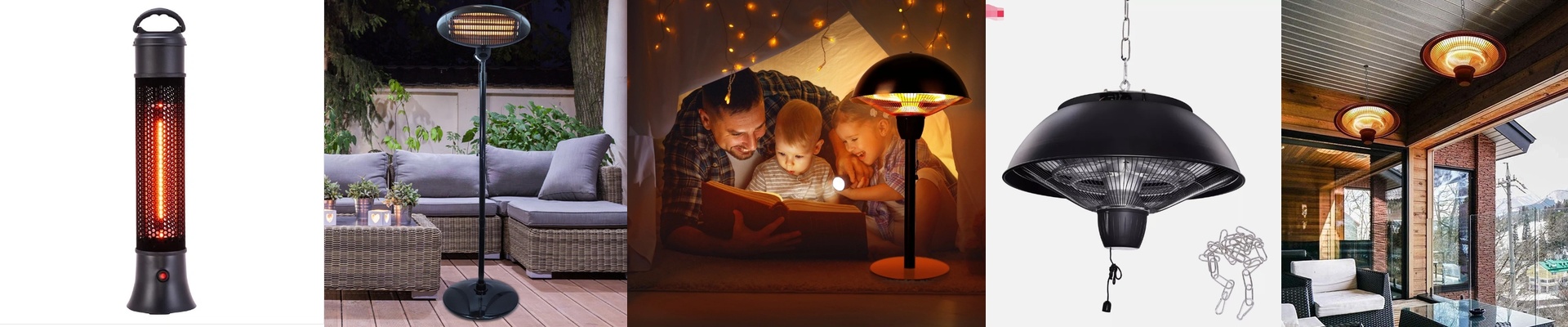
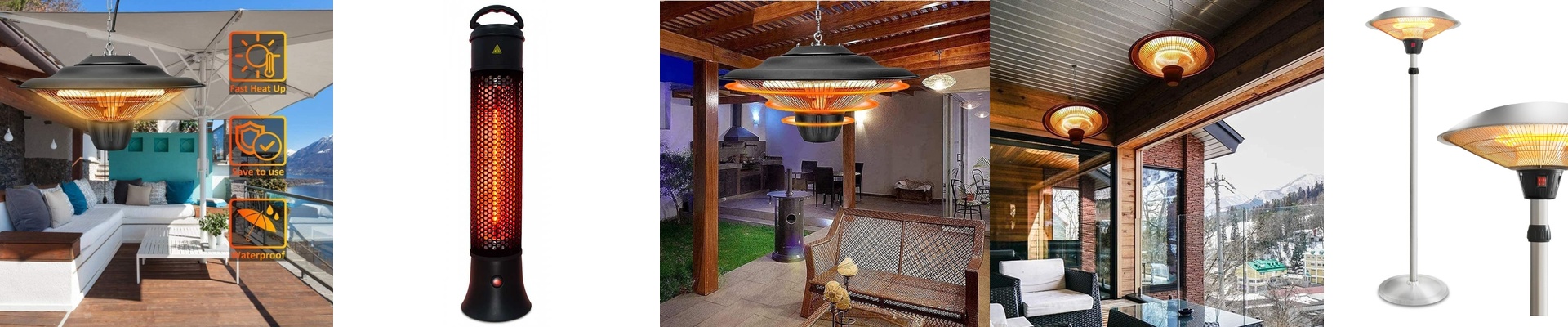
Most heaters work by warming up the air in a room, which takes forever and usually just lets the heat drift up to the ceiling where it does nothing for you. Ceiling-mounted infrared heaters are different. They send heat straight down to your skin and the furniture around you. It’s like stepping into a patch of sunlight on a cold day. When you hook these up to a smart home system, you stop messing with clunky wall switches and start letting the house do the thinking for you.
Heat That Actually Happens Instantly
The best part about these IR units is the speed. They don’t need to warm up a boiler or push hot air through a maze of vents. You flip a switch—or tap an app—and you feel the warmth immediately. To make this work with a smart home, we use things called solid-state relays. Basically, they act as the bridge between your phone and the heater. It means you can be lying on the couch, tell your voice assistant it’s chilly, and feel the heat hit your shoulders a second later.
Getting the Logic Right
If you just use a basic on/off timer, you’re missing the point. You want the room to feel natural. The trick is to connect the heaters to a hub using Zigbee or Matter, and then add a few sensors. We usually tuck a motion detector and a temperature sensor in the room. Here is how it plays out in real life: The sensor sees you walk into the room. It checks the temperature and realizes it’s too cold. Then, it tells the heater to kick in. Plus, we use a technique called PWM to “dim” the heat. Instead of a brutal blast of warmth that makes you sweat, it keeps things at a steady, cozy simmer.
A Heads-Up on the Electrical Stuff
Now, here is where you have to be careful. These heaters pull a lot of power. I can’t stress this enough:**do not just plug these into a cheap smart plug.**You’ll fry the plug, and you might start a fire. You need heavy-duty wiring and industrial-grade relays that can handle the load. Also, if you’re installing four or five of these in a big open space, remember that they all pull power at once. If they all kick on at the exact same millisecond, you might trip your breaker. It’s worth chatting with an electrician to make sure your panel can handle that sudden spike.