
Why We Try to Break Our Bathroom Heaters (Before You Buy Them)
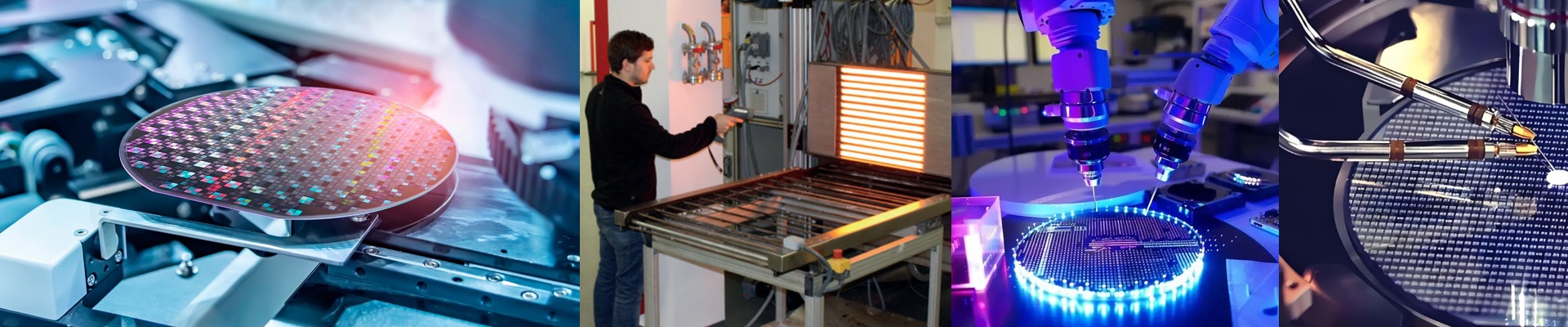
Bathrooms are absolute nightmares for electronics. Between the thick steam from a hot shower and the constant humidity, it’s basically a torture chamber for heating elements. Most things just give up. We don’t like guessing if a lamp will hold up. Instead, we put them in a chamber and try to force them to fail. The “Stress Test” Here’s how it works. We take our infrared lamps and cycle them through a brutal mix of heat and moisture. We’re basically cramming years of bathroom use into a few hundred hours. It’s a great way to find the cracks. We keep a close eye on where the quartz glass meets the metal. If that seal isn’t perfect, moisture sneaks inside and hits the halogen gas. Once that happens? The tungsten filament burns out almost instantly. The Battle of Materials We use high-purity quartz because it can handle the shock of going from cold to scorching hot. But quartz has its own quirks—it’s actually porous if you look at it under a microscope. The real fight happens at the connection points. If the terminals corrode because of the steam, electrical resistance goes up. And when resistance climbs, things get dangerous. The terminal gets too hot, the housing starts to melt, or your breaker trips. None of that is acceptable. What This Means for You Nobody wants to rip out a heater six months after installing it because it died. When a lamp passes our damp-heat test, it means it’ll actually keep its heat and stay in one piece, even in a steamy room. Just a heads-up, though: these heaters pack a ton of heat into a tiny space. While we’ve made sure the lamp can survive the steam, you still need a decent vent in your bathroom. If condensation just sits on the outside of the fixture, it’s going to shorten the lifespan. We provide the heavy-duty hardware, but the airflow in your room is what really keeps it humming.