Getting Heat Right in Your Smart Fab Glovebox
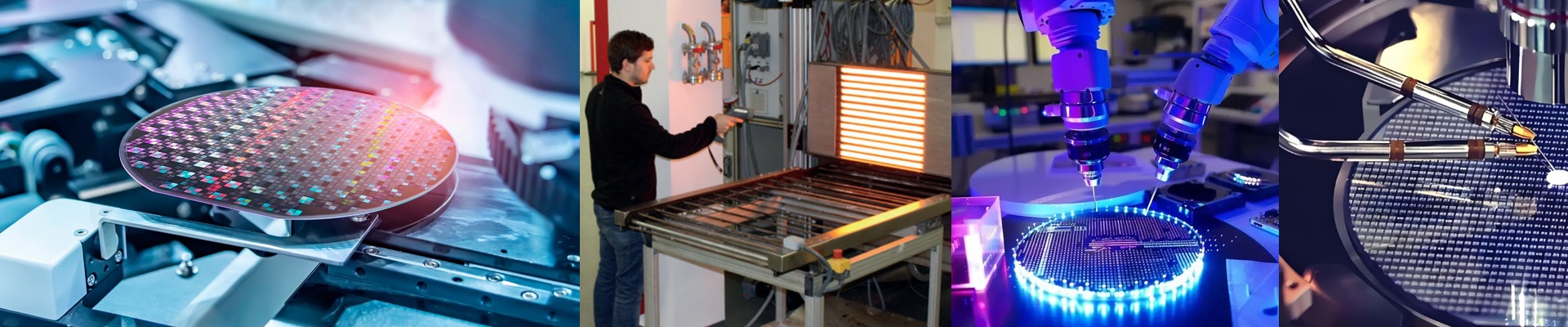
When you’re putting together a Smart Fab for Industry 4.0, you realize pretty quickly that heating isn’t just about “turning up the dial.” It’s about how you actually get that energy into your material. In a glovebox, we stick with infrared (IR) heating. Why? Because it uses radiation. Instead of trying to warm up all that inert gas filling the chamber—which is basically a waste of time and power—IR goes straight for the target. It’s direct. It’s efficient. The Control Side of Things Space is always tight in a smart fab, so you need a lot of heat in a very small footprint. We pair these IR elements with PLC-driven PID controllers. It’s a great setup because you can actually see what’s happening. You can track power draw and temperature shifts in real-time. Just a heads-up: if you’re pushing high wattage, keep an eye on your seals and gaskets. Radiant heat is intense, and if your gaskets aren’t rated for it, they’ll degrade way faster than they should. The Nitty-Gritty on Gear We usually go with quartz-encased filaments. We use specific coatings to tune the wavelength, sticking mostly with short-wave IR. It penetrates deeper into the substrates and reacts almost instantly when you change the voltage. That speed is what makes the digital side of things actually work. To make life easier during maintenance, we use standardized connectors. They’re basically drop-in replacements. Also, if you can, wire them to a high-frequency switching power supply. You’ll get much tighter temperature tolerances than you ever would with old-school relays. Making it Work on the Line At the end of the day, we all want shorter cycle times. IR elements hit their target temperatures in seconds. Compare that to resistive heating jackets, which have this annoying lag time, and it’s a night-and-day difference. You get a much cleaner thermal profile across your workpiece. But there is a catch:line-of-sight. IR behaves like light. If your part’s shape blocks the path of the heater, you’re going to get cold spots. You can’t just throw the heaters in and hope for the best; you have to map out exactly where they sit based on the physical layout of your part.