


Introduction
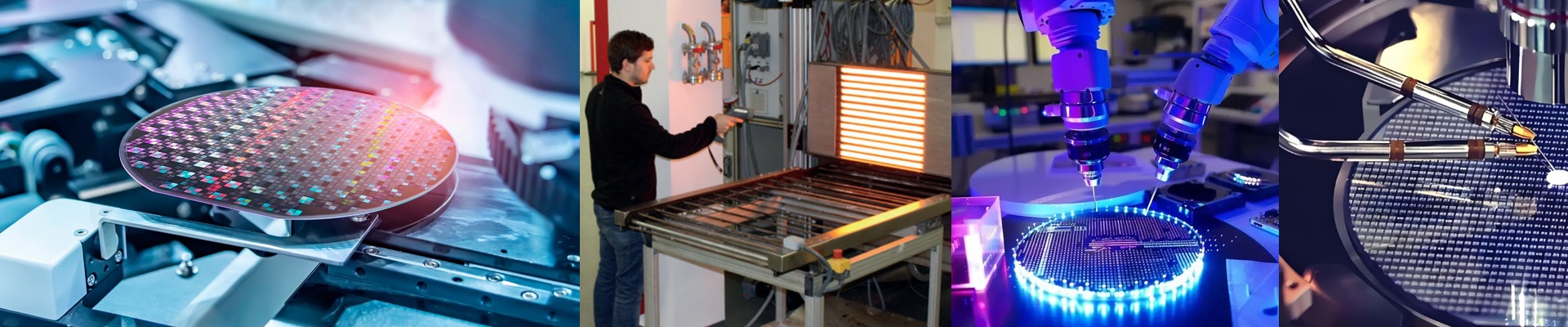
Picture a smart factory that runs like a well-oiled machine. The kind where every piece of the puzzle works in sync. In that world, keeping things at the right temperature isn’t just some side task. It’s the heartbeat of the whole operation. When we’re talking about the intense heat needed for semiconductor work, we need a heater that’s precise, quick on its feet, and ready to talk to the rest of the system. That’s why we built our infrared heaters around high-efficiency halogen elements. It’s the kind of thermal control that modern, data-driven factories are built on.
The Details, Without the Fluff
Here’s the thing about the power setup: we designed the heating unit to run on 400V. It’s not just a random choice. That voltage lets us pack a ton of power into a small space. The element itself is 300mm long and just 10mm wide. That size is a game-changer because it gives you a predictable heat pattern. You can mount it right where you need it, without having to redesign the whole machine around it. And the power? It’s rated at 2500W. That means it heats up fast. Seriously fast. We’re talking about cutting down the wait time on processes that need an instant burst of heat. Of course, that much power packed into one spot means you need a solid cooling system to keep the surrounding area from overheating.
What It’s Made Of
We house the halogen element in a quartz tube. Why quartz? Because it can handle the extreme temperature swings without cracking, and it stays clear so the heat transfer is consistent, cycle after cycle. We also put a special coating on the outside. This does two important jobs: it fine-tunes the infrared output and keeps the element clean from any contaminants. For the wiring, we went with an R7s connector. It’s a straightforward, high-current connection that’s easy to work with. When it’s time for a replacement, you can get in and out quickly, which means less downtime on the line. The whole thing is designed to be a simple drop-in for the heaters you’re probably already using.
What This Means for You
On the factory floor, this setup brings the heat you need with the control you want. The thermocouple is built right in, so the controller gets a live read on the temperature. That allows for a closed-loop system that keeps everything running right in the sweet spot. The result? Fewer ruined wafers, a steadier process, and a clear idea of how much energy each batch uses. In a smart factory, it’s not just about making heat. It’s about having heat you can control, heat that communicates with the rest of the system. And that’s exactly what this infrared approach gives you.