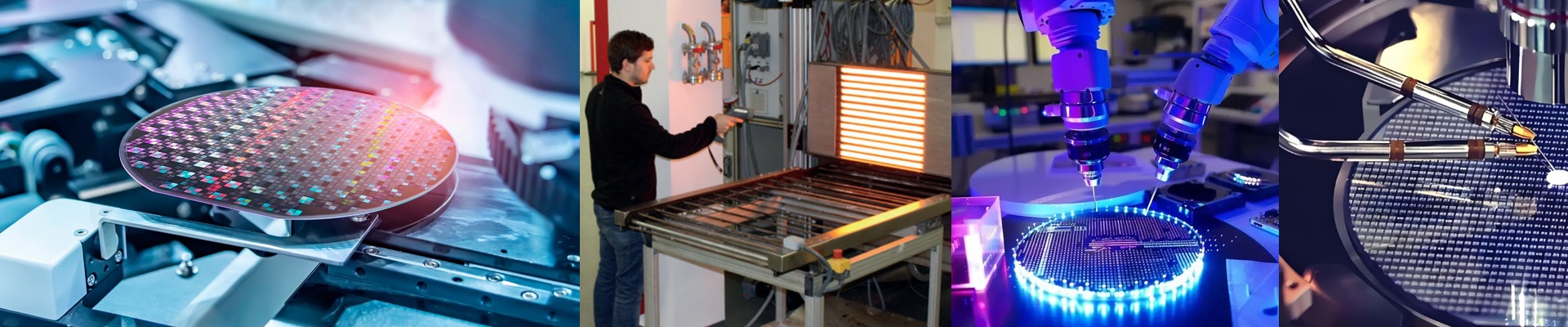


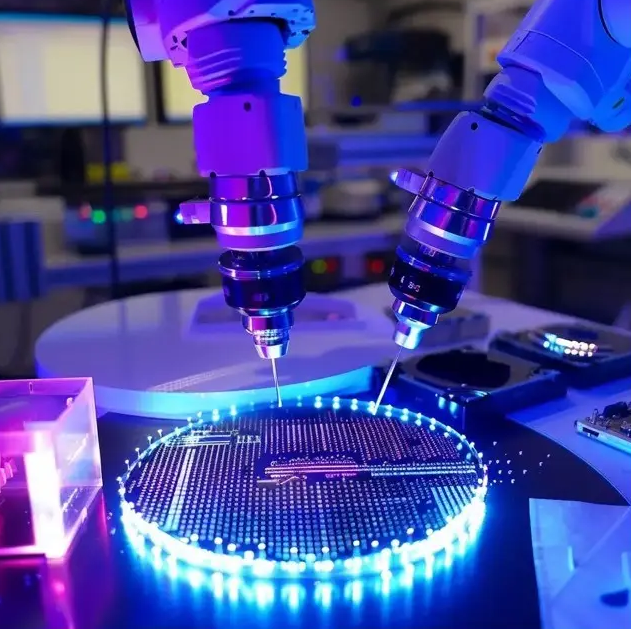
On the floor, a photoresist bake is only as stable as the last thermal cycle. Wafers sit on trolleys, and every minute of temperature drift risks dimensional error in the photoresist—then you’re paying for it in yield. We built the semiconductor cleanroom trolley heater to take that uncertainty out of the equation. What matters under the hood We spec short-wave infrared elements in a quartz envelope—fast response, low outgassing. The system holds wafer-level thermal uniformity within ±0.1°C across the cart load, and setpoint repeatability better than ±0.5°C. Ramp and soak profiles repeat run after run, so you don’t chew through the thermal budget on sensitive films. The heater uses Class 1–100 cleanroom-compatible materials, and the airflow routing is laid out to keep particle generation down. The control algorithm holds steady even with line voltage swings and door-open events. Why it holds up in lithography support In lithography support, the trolley heater keeps photoresist at the right soft bake and hard bake without overshoot or undershoot. You get consistent critical dimension control, fewer rework lots, and cycle times you can actually count on. Energy use is trimmed with targeted heating and standby modes, and the reliability is there for 24/7 operation—no surprise downtime. The process stays documented and auditable, not left to guesswork. What you need to plan for Installation needs a dedicated, filtered supply and proper grounding to prevent electrostatic discharge. The heater performs within spec when cleanroom ambient stays at 20–25°C and 35–55% RH; outside that window, your uniformity margin tightens. Plan a cart-level validation with your wafer carriers, and confirm clearances so the airflow matches your fab layout.