


You know the scene in an RV: the generator hums steady, rain starts tapping the roof, and then the cold starts working its way through the walls and floor. Comfort isn’t a luxury out here—it’s what separates a night you actually sleep through from one where you toss and turn. An RV electric heater that uses infrared warmth can flip the whole cabin’s feel in minutes, without the drafts and dry air that come with forced-air setups.
What matters, under the hood
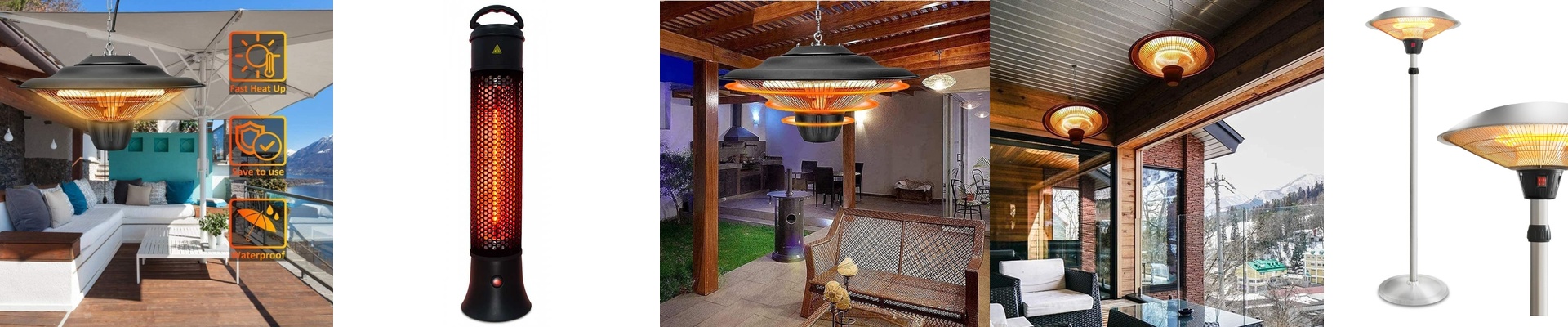
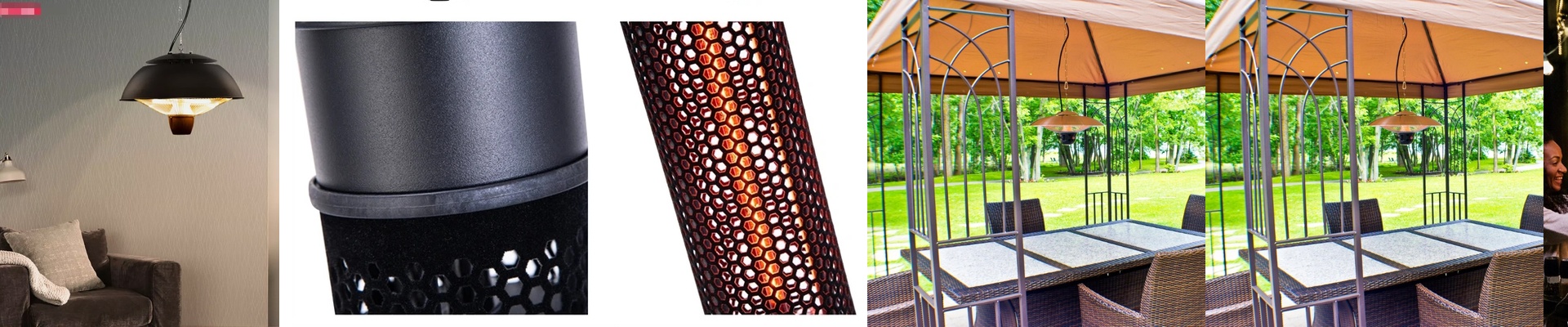
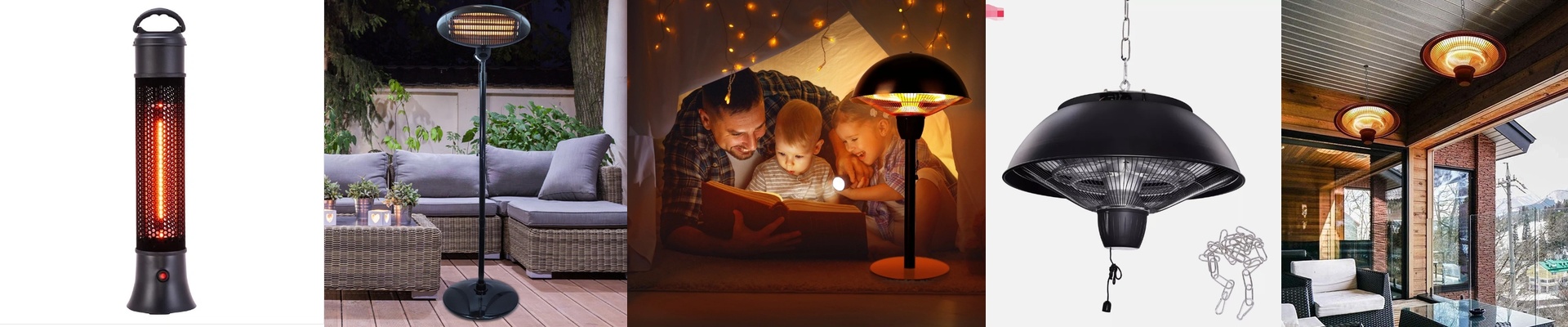
We built this RV electric heater around a carbon-fiber infrared element. It radiates heat straight onto people and surfaces, not into the air. You feel it the instant it comes on—no fan noise, and no moving parts to kick dust around. A built-in adjustable thermostat keeps the temperature from swinging, and the low-profile body tucks under counters or runs along walls where space is tight. Safety here is practical, not dressed up. Tip-over protection shuts the unit down if it gets jostled, and overheat protection prevents runaway heating. For most RV setups, it runs on standard 120V shore power or inverter power, and the compact footprint keeps it from eating up floor space you can’t afford to lose.
Why this approach fits an RV
In an RV, comfort has to be repeatable—morning, evening, and when you’re parked for the night. Infrared warmth hits you first, so the cabin feels cozy even when the air is still. That matters on cool mornings, after a long drive, or when you’re sitting still and the temperature starts to drop. Because the heater warms objects instead of cycling air, it helps cut down that dry, drafty feeling that can leave you waking up stiff. And with no blower, there’s less dust being pushed around—handy if you’re sensitive to particles in the air. Energy use stays sensible, too, since you’re heating what you actually use, not the whole volume of air.
The details that keep it honest
Make sure your RV circuit can handle the load, and run the heater on a dedicated outlet. Infrared heating shines in small, well-insulated spaces, so if your rig has big openings or thin walls, size the unit to the square footage. Aim it at seating or sleeping areas, and expect a little trial-and-error to get the warmth where you want it.