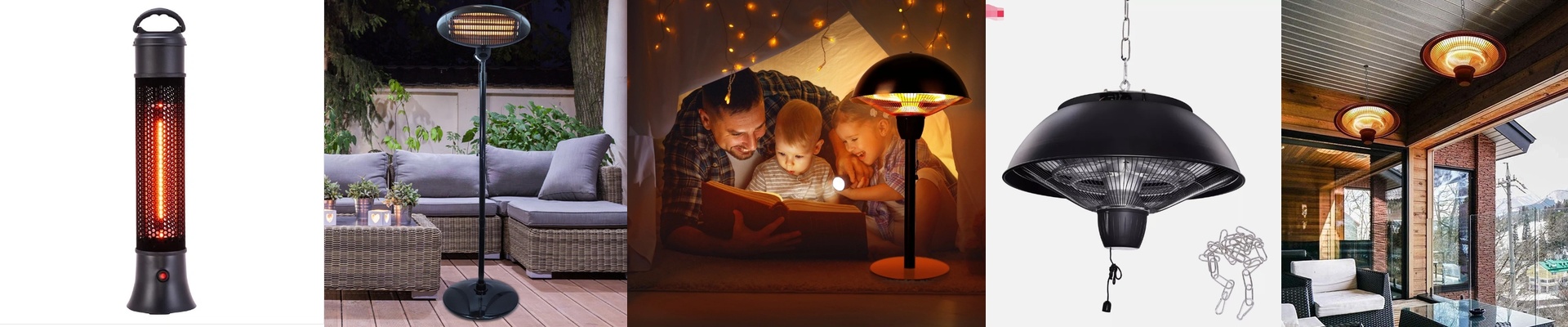
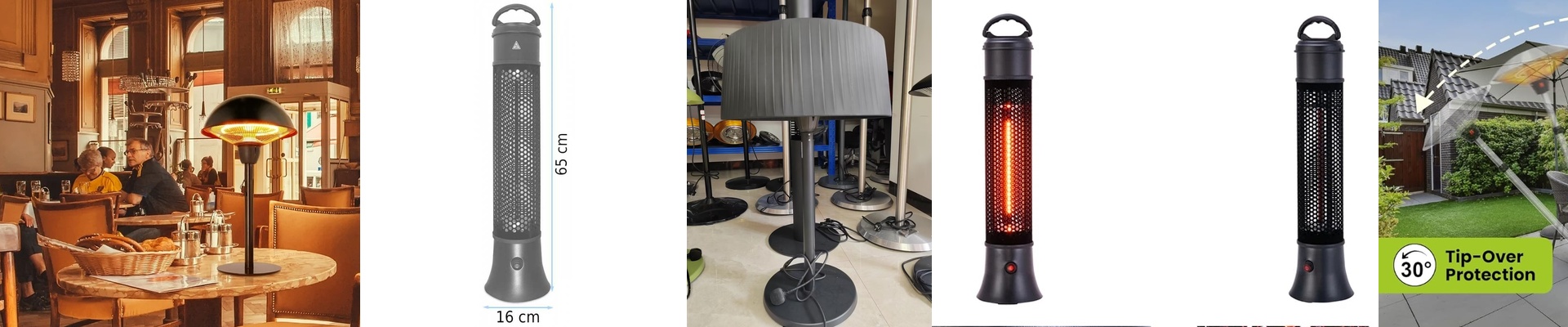

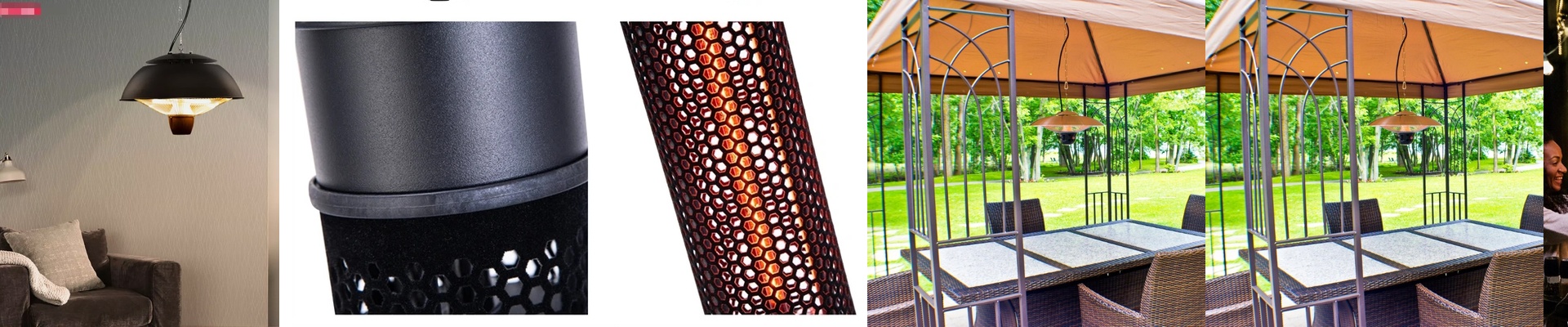
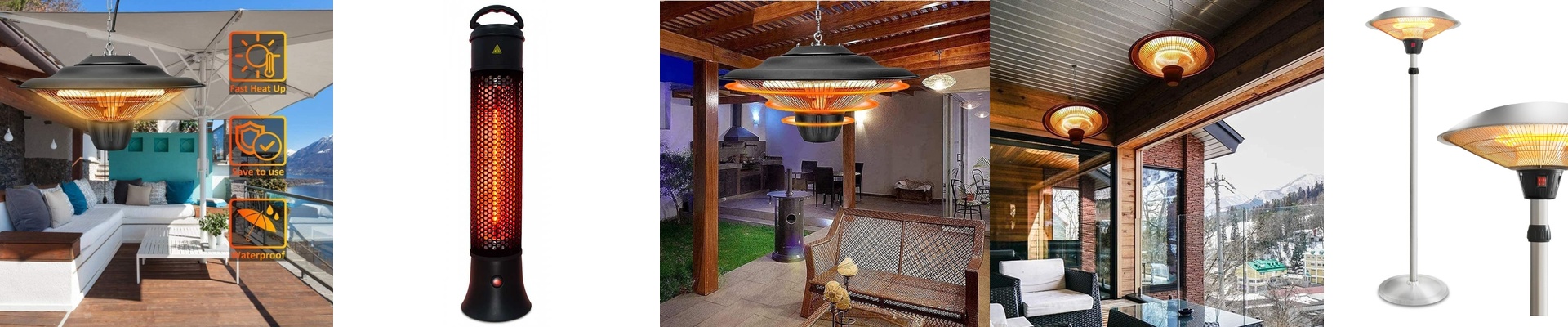
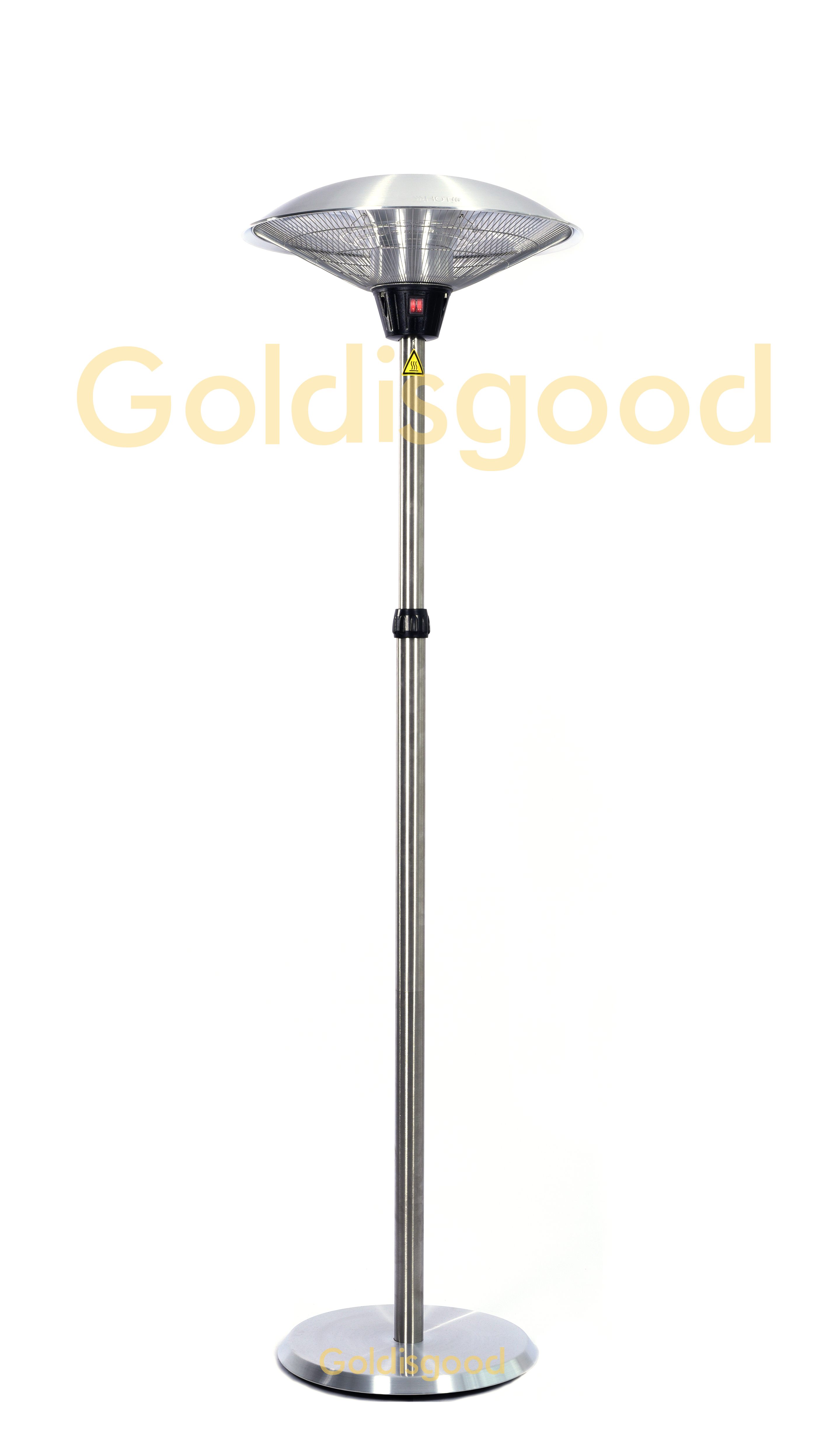
When the temperature dips, an open-air restaurant doesn’t just lose warmth—it loses seats. Guests eye the empty tables, opt for the indoor room, and your evening service stalls out. We built the new mushroom patio heater to stop that slide, with infrared warmth that keeps the patio usable on cold nights.
What matters under the hood
This is an electric infrared unit, designed to put radiant heat where it does the most good: on people and surfaces, not into the air. Inside, a carbon fiber heating element sits in a weather-ready quartz tube, producing medium-wave infrared warmth that feels immediate, not drafty. At 1.5 kW, it runs off standard 120 V outlets, so you can add coverage without rewiring the place. A built-in thermostat keeps comfort steady, and the unit sits on a stable base with tip-over protection. The IP rating is spec’d for outdoor exposure, so rain and wind won’t shut the service down.
Why it plays in an outdoor dining space
Comfort is capacity. With this infrared heater, guests feel warmth the moment they sit down, so they linger longer and order more. Tables turn faster because people aren’t waiting for the air to warm—radiant heat makes the patio feel inviting right away. That shows up in both satisfaction and winter revenue. The mushroom shape keeps heat focused downward, so warmth stays where people are instead of rising and vanishing. In practice, that means fewer cold spots, fewer complaints, and a steady flow of diners on nights that would otherwise sit empty.
The details that make it work
Installation is straightforward: plug it in, set the thermostat, and position for even coverage. But placement matters. Keep the heater a safe distance from table edges, umbrellas, and any combustible materials, and stick to the clearances in the manual. Infrared warms objects directly, so the surrounding air can still feel cooler. For even warmth across the whole patio, pair units to cover the space. And while the IP rating handles typical weather, avoid direct exposure to heavy downpours or pooling water. Plan the layout, protect the connections, and you keep serving all winter.