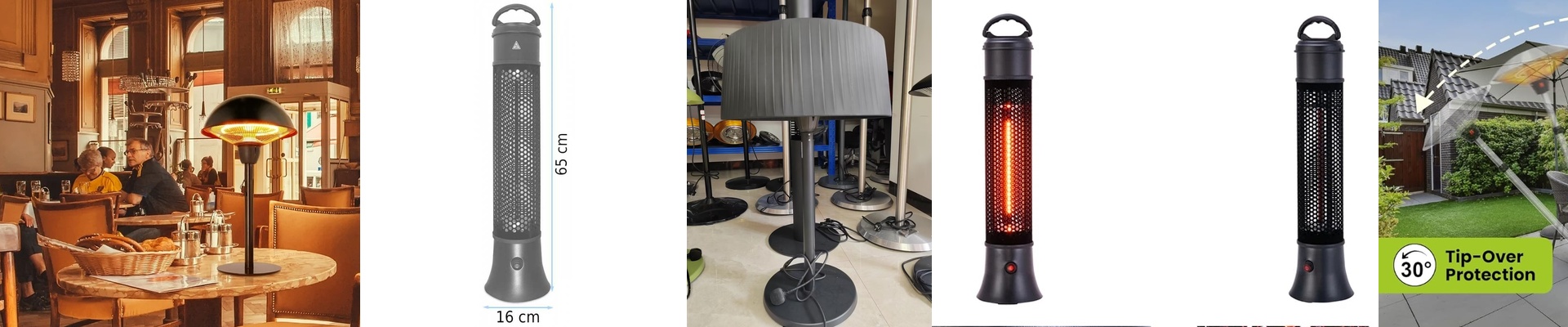
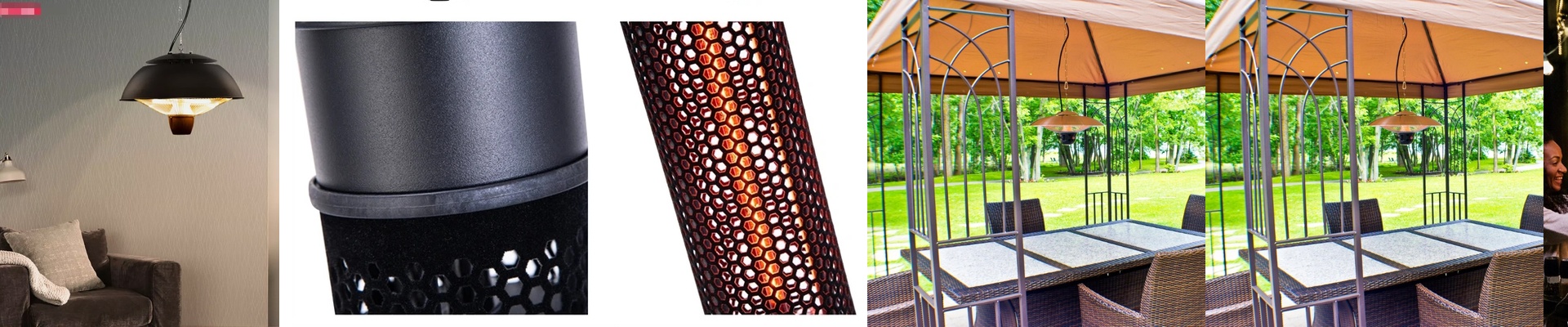
When the temperature drops, muscles tighten up and recovery slows. For athletes, winter training usually means dealing with stiffness, slower healing, and performance that just feels off. A standard space heater warms the air, sure, but it doesn’t get down into the tissue where soreness likes to hide. Infrared radiant heat? That’s where things change.
What matters, technically
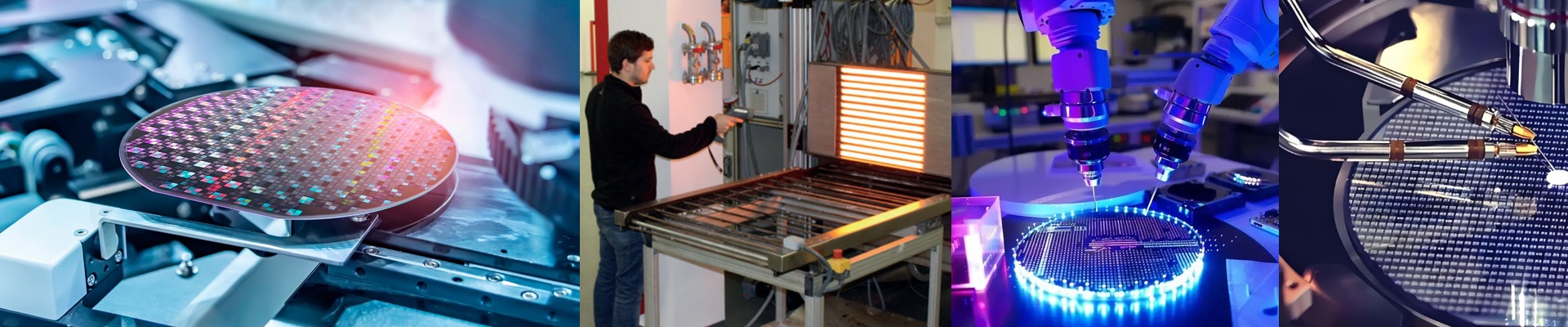
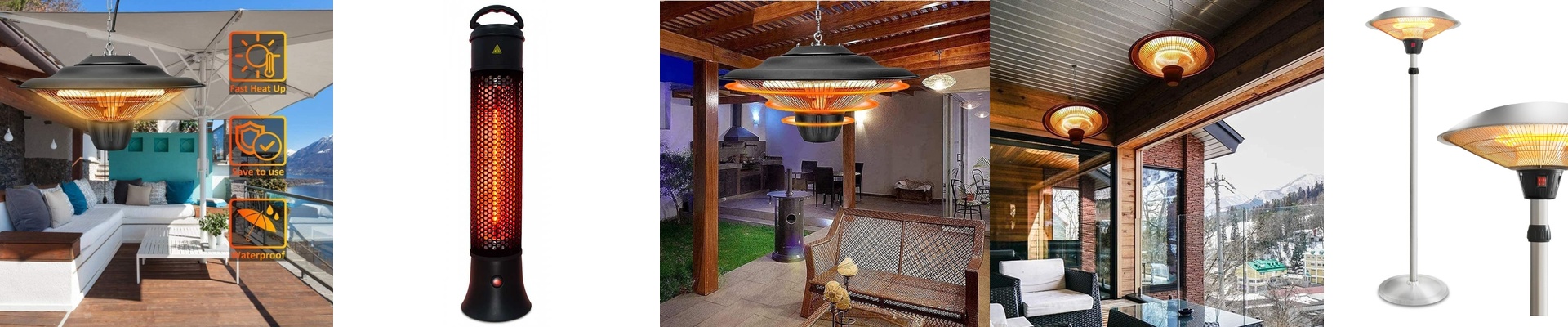
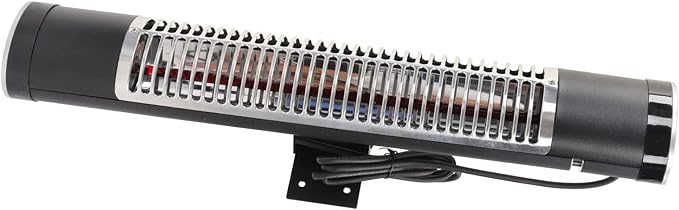
Infrared heaters warm people and objects directly — not the air in between. Short-wave quartz elements put out intense, focused radiant energy that penetrates the superficial layers and raises tissue temperature right where you need it. The feel is a deep, gentle warmth that encourages blood flow without blasting you with dry air. Most units run off a standard 120V outlet, pull between 1,500–1,800W, and come up to temperature in seconds. Add a simple thermostat and you get steady, consistent output. For safety, look for tip-over protection and a solid grill that keeps contact heat at a safe distance.
Why it fits the athlete’s needs
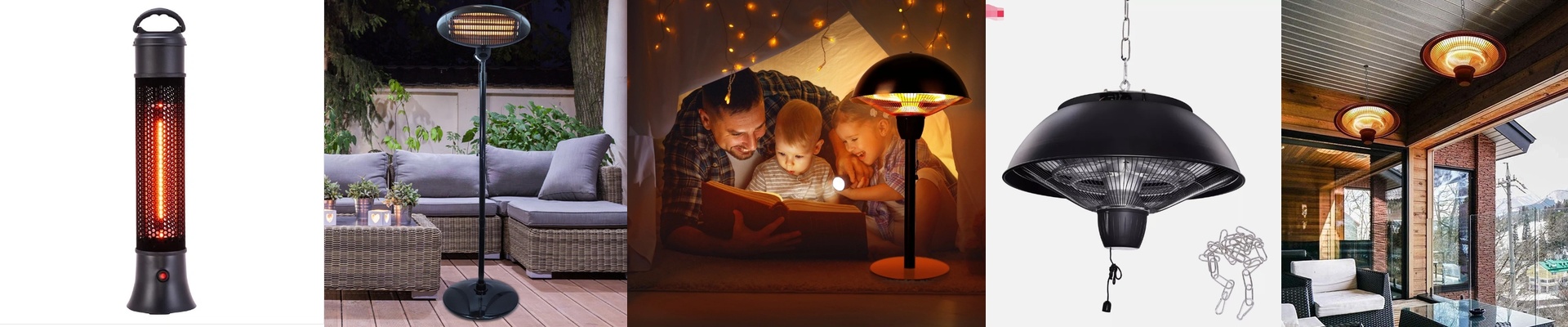
Athletes need targeted relief that fits into the gaps between training sessions and therapy appointments. Infrared warmth helps muscles relax, loosens stiffness, and supports the body’s natural recovery. In a clinic or at home, position the heater about 3–4 feet from the area you’re treating and apply gentle heat for 10–20 minutes. Used as part of a routine, it can cut down on that post-workout tightness that shows up after cold-weather sessions and make movement feel easier. Because the heat is directional, it warms the body without trying to heat the whole room — so energy use stays focused and predictable.
The practical details
Infrared heat is direct, so comfort comes down to positioning. Sit at a distance that feels warm, not hot, and don’t hold the heat on one spot too long. These heaters warm what they “see,” so drafts can noticeably reduce the perceived warmth. Most models are built for indoor or covered outdoor use. If you plan to run one near damp areas, check the IP rating for moisture resistance. Always follow the clearance guidance around fabrics and furnishings, and never cover the heater. With placement done thoughtfully, infrared warmth becomes a reliable, targeted tool for recovery and comfort.