
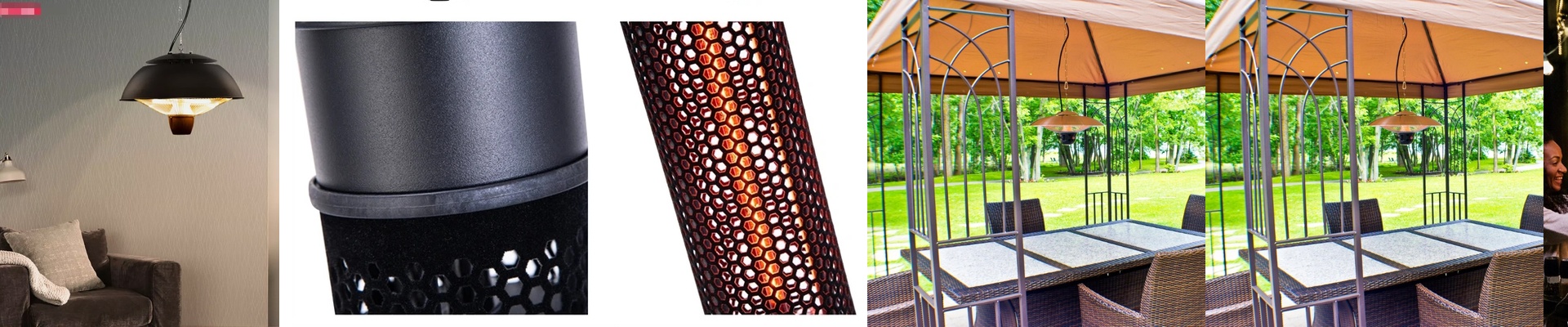
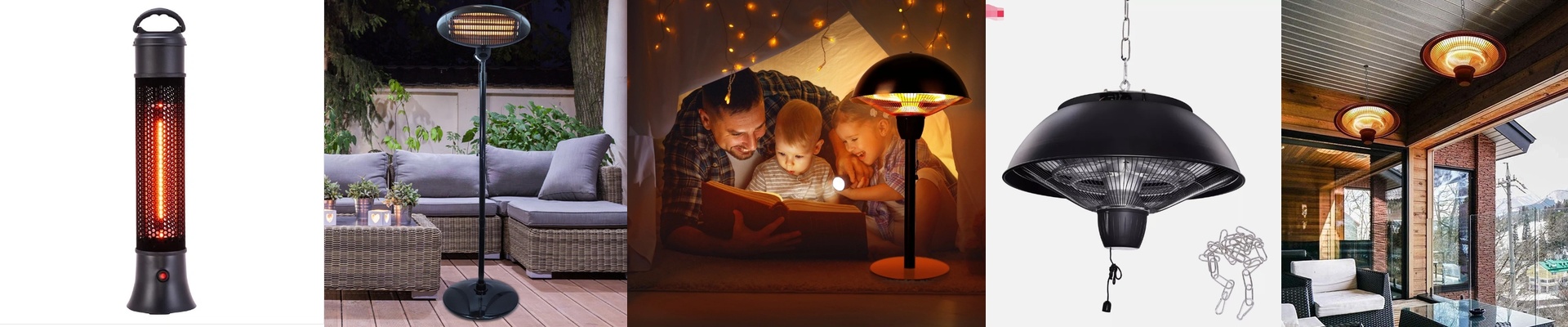
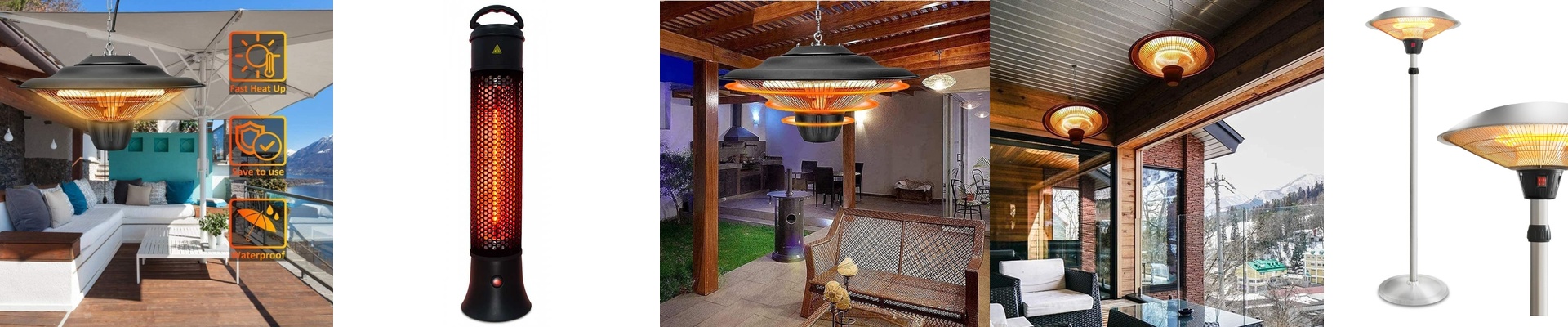
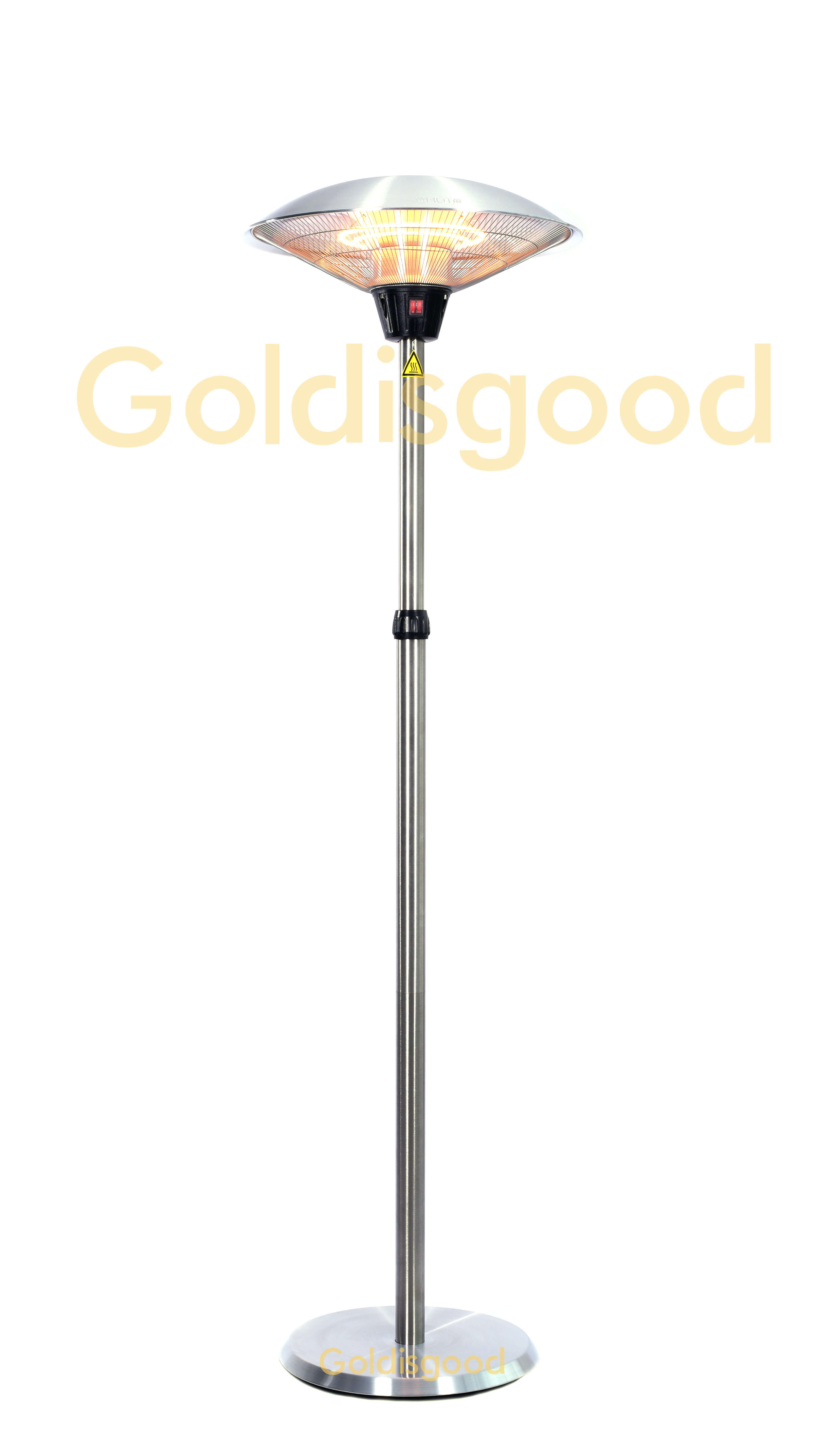
A Waterproof Infrared Heater for Your Pergola: Built to Last, Built to Fix
We built this waterproof infrared heater for one place: your pergola. It lives out there in the rain and the temperature swings, so it had to be tough. The whole point is simple: give you warm, focused heat without a tangle of ductwork—and keep the thing easy to service after five years of weather.
Power, Voltage, and Size—Straight Talk
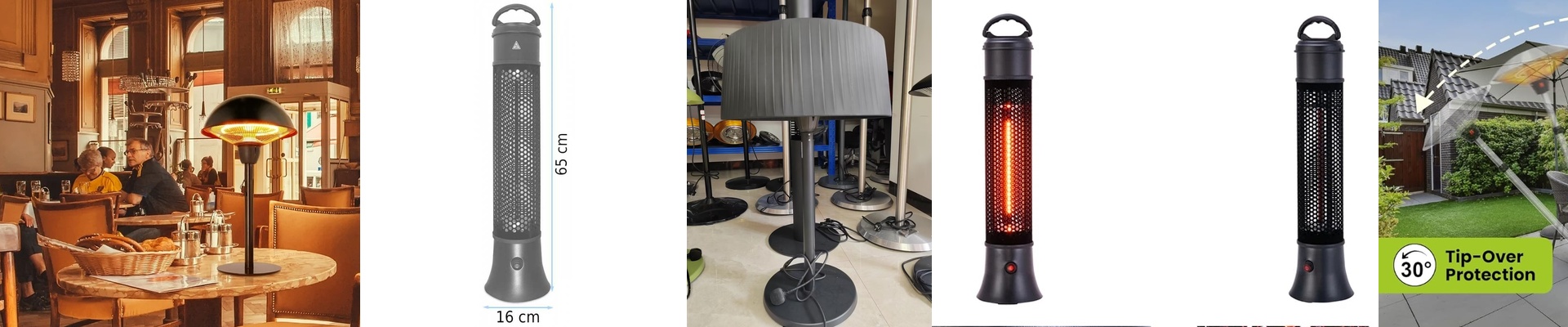
It runs on a standard electrical setup, sized to punch above its weight without taking up much space. The tube length and wattage are matched to cover the spots where people actually sit, so you get high heat density right where you need it. That means you can heat the zone you’re using, not the whole outdoors. Here’s the reality check, though: more wattage density means the mounting hardware and wiring around it have to handle steady high heat. Plan your wiring and clearances from the start, or you’ll end up speeding up insulation wear.
What’s Inside: Halogen Element, Tough Coating, Smart Connectors
Inside, you’ve got a halogen heating element in a quartz tube—chosen because it heats up fast and holds steady. The tube is coated to keep water out and fight off UV damage. That matters when it’s mounted outdoors. And the connectors? They’re made for quick swaps. No splicing wires. You just unclip and swap the heating tube in minutes. It’s modular, so downtime stays short, and you don’t need special tools to keep it running.
Why It Works Out There—And Why It Stays Serviceable
A pergola heater has to deal with wind, humidity, and condensation, while still being easy to maintain. The waterproof build keeps moisture away from the electrical parts. And when a tube finally reaches the end of its life, you can replace it fast. The payoff is simple: you stay comfortable. If something goes after five years, you don’t replace the whole unit. You pop in a new tube and get back to enjoying the space. But there’s a trade-off. That modular convenience only works if you pay attention during install. Seal it right, mount it right, and orient it right—otherwise water will find a way in and undo the whole design. We set out to make a heater that’s practical, maintainable, and truly outdoor-ready. It has to take the weather. And when it needs care, it should be simple—no service truck needed.