



Why we’re ditching hot air for IR in CNT fabrication
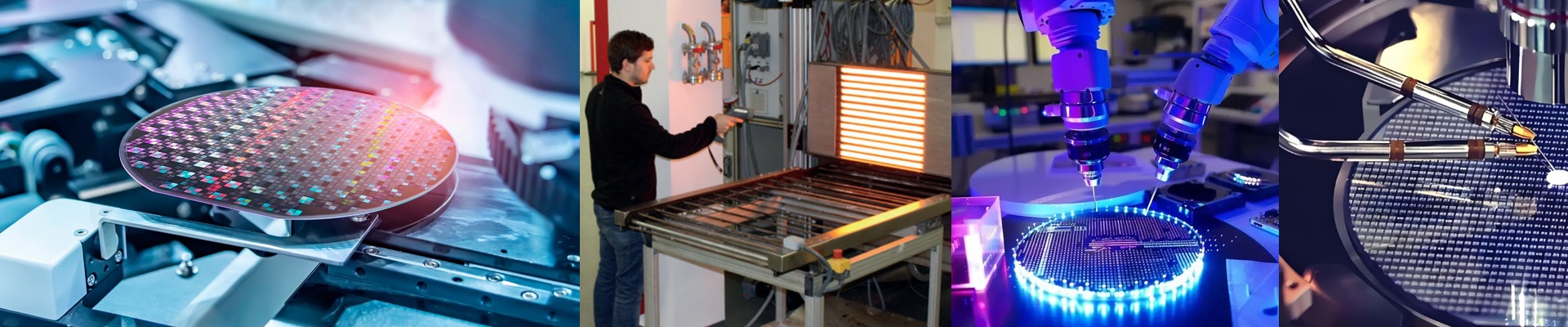
If you’ve spent any time making carbon nanotubes, you know the drill. You need your temperatures to be spot on to get the catalyst working and the carbon depositing just right. Most of the old-school setups use hot air. It’s a slow process. You heat the air, the air heats the walls, and eventually—if you’re patient enough—the substrate finally gets warm. It’s an indirect, clunky path that wastes a ton of time. The waiting game sucks. Air is just bad at moving heat. You end up spending hours just ramping up, and even longer waiting for everything to stabilize. In the lab, we call that “time cost.” Really, it’s just wasted energy and a bottleneck in your production. Infrared (IR) heating flips the script. Instead of relying on the air, IR uses electromagnetic waves to dump energy directly into the material. It just skips the middleman. You can hit your target temperature in seconds. For anyone doing deep processing for semiconductors, this is huge. Your ramp-up and cool-down cycles shrink, which means you can actually push more batches through in a single shift. But look, you can’t just swap out a lamp and call it a day. You have to be smart about your emitters. It all depends on what your substrate actually absorbs. Short-wave IR digs deep into the material, while medium-wave is the way to go if you only need to activate the surface. We usually lean toward high-density arrays. Why? Because if your heat isn’t flat, your CNT growth will be a mess. You’ve got to find that sweet spot between how the emitters are spaced and how your sensors feed back to the system, otherwise, you’ll end up with hotspots. There is a catch, though. IR is fast, but it’s aggressive. Because the heat hits so hard and so fast, you risk thermal shock. You’ll need a substrate holder that can handle the way your materials expand when they get hot. And a word of warning: watch your chassis. If your cooling system isn’t up to the task, that radiant heat will bake your electronics alive. You’re trading that slow, cozy “buffer” of hot air for raw speed. It’s a bit more volatile, but the payoff in throughput is usually worth the extra caution.