Stop Fighting Stray Heat in Your Semi Equipment
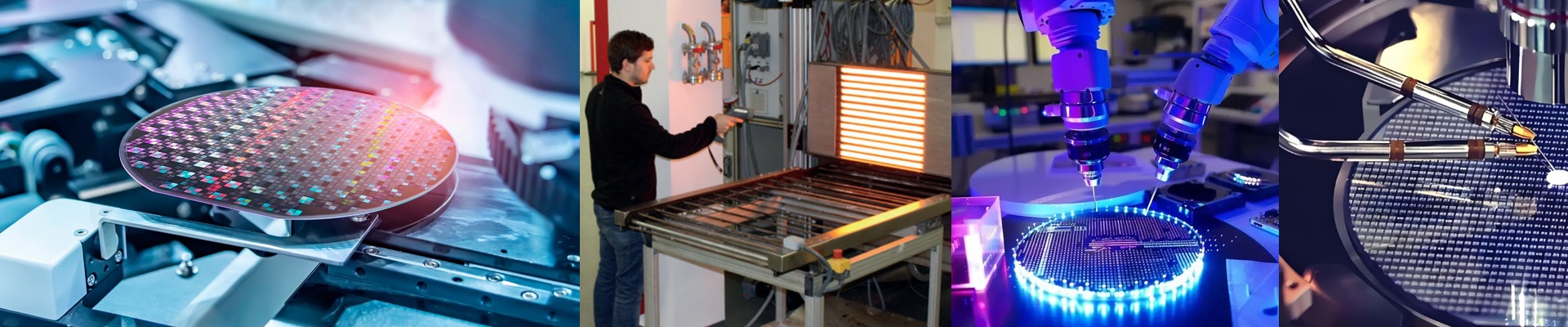
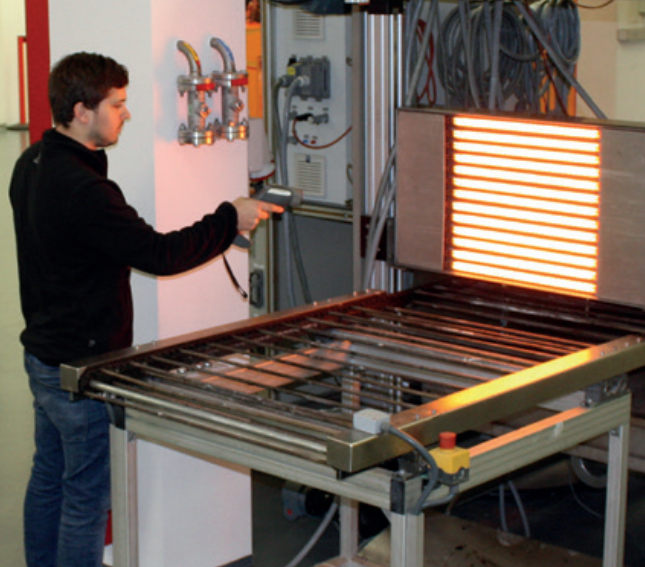
Ever touched the inner wall of a piece of equipment and practically felt your skin sizzle? That’s the problem with standard heating elements. They just throw heat everywhere. In a tight semiconductor footprint, that “stray heat” turns your expensive machine into a giant oven, which is the last thing you want. We handle this differently. We use directional infrared (IR) lamps and high-temp Teflon wiring to keep the heat exactly where it needs to be.
Why Directional Heating Actually Works
Think of a resistive heater like a space heater in a small room—everything gets warm. IR technology is more like a flashlight. It beams electromagnetic energy straight at the wafer or component. Because it hits specific wavelengths, the heat penetrates the target instead of soaking into the rest of the chamber. This means your equipment casing doesn’t become a massive heat sink. You get the exact temperature you need at the focal point, and your operators don’t have to worry about getting burned or frying nearby electronics.
The Secret is in the Wiring
Here is where a lot of builds fall apart: the wires. If you use standard PVC, it’s going to melt. Simple as that. We stick with Teflon (PTFE/FEP) because it can take the brutal thermal cycling these tools go through. Teflon doesn’t care if it brushes up against a hot chassis. It keeps its strength even when the temperature spikes. Go with the cheap stuff, and you’re just waiting for a short circuit to kill your control board. Not a fun day at the office.
The Real-World Trade-offs
Now, directional heating isn’t “set it and forget it.” It’s a precision game. If your lamp is off by even a few millimeters, you’ll end up with cold spots on your workpiece. And remember, lamps age. As the filament wears down, the light shifts. I’d suggest auditing your thermal profiles every 2,000 hours. It’s a quick check to make sure everything is still hitting the mark. One last tip: use high-temp terminals. It prevents the current from bottlenecking and keeps your inner walls cool and your process steady.