

Why we switched to IR curing for hydrogen sensors
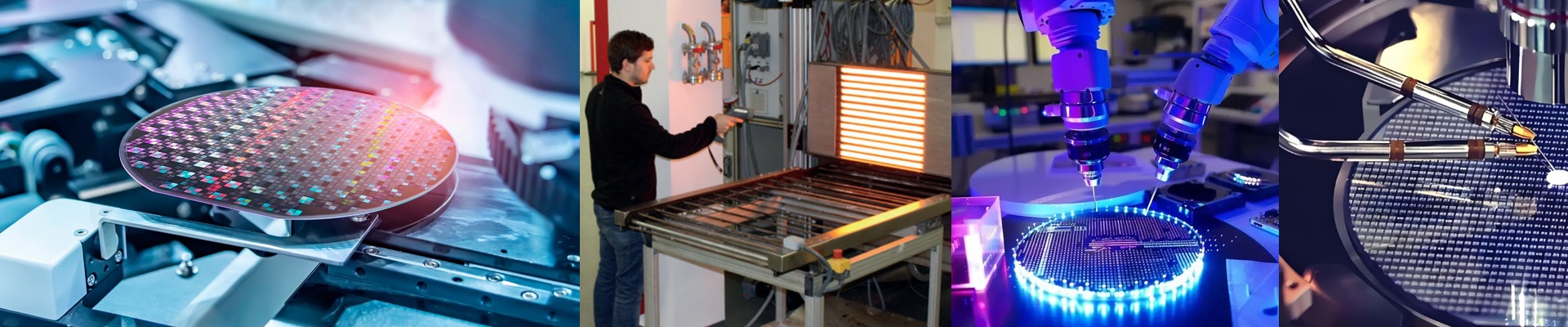
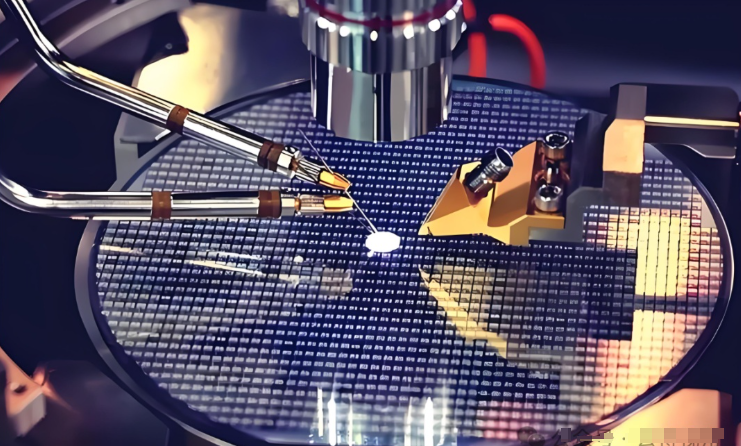
If you’re still using old-school convection ovens to build hydrogen sensors for semiconductors, you’re basically fighting an uphill battle. We moved away from those bulky boxes and started using infrared (IR) curing. Why? Because it’s cleaner, faster, and actually hits the “green” standards we’re all aiming for. The big difference is that IR doesn’t waste time heating up the air around the part. It goes straight for the material. Saving energy (and your sanity) Think about a traditional oven. You’ve got these massive fans blowing hot air everywhere, wasting a ton of electricity just to get the chamber up to temperature. It’s slow. With IR, it’s almost instant. You flip the switch, the lamps hit the substrate, and you’re moving. No waiting around for a set-point. It just makes the whole production line leaner and a lot less wasteful. Getting the temperature just right Here’s the tricky part: lead-free solders and eco-friendly glues are finicky. They have a very narrow “sweet spot” for heat. If you push it too far, you’ll warp the board or fry the sensing element. We handle this by tuning the IR wavelength to match the specific resins we use. It’s like a laser focus—the core of the material cures perfectly, but the surface doesn’t get scorched. It’s a much gentler way to get the job done. The trade-offs Now, it’s not all magic. IR packs a punch. Because the heat density is so high, you can’t just “set it and forget it.” If your conveyor belt is moving too slow or your heat-sinking is off, you’ll burn the component right off the line. You have to find that perfect balance between the lamp’s power and the speed of the belt to make sure things don’t overheat. Keeping the cleanroom… clean One of the best parts is the footprint. IR systems are small. Unlike those giant convection tunnels that push air all over the place, IR stays quiet. No huge gusts of air means you aren’t kicking up dust or particulates in the cleanroom. You just wire it in, dial in the distance between the lamp and the sensor, and you’ve got a process that works the same way every single time.