Stop Shivering in Your Bathroom: A Simple Guide to Smart IR Heaters
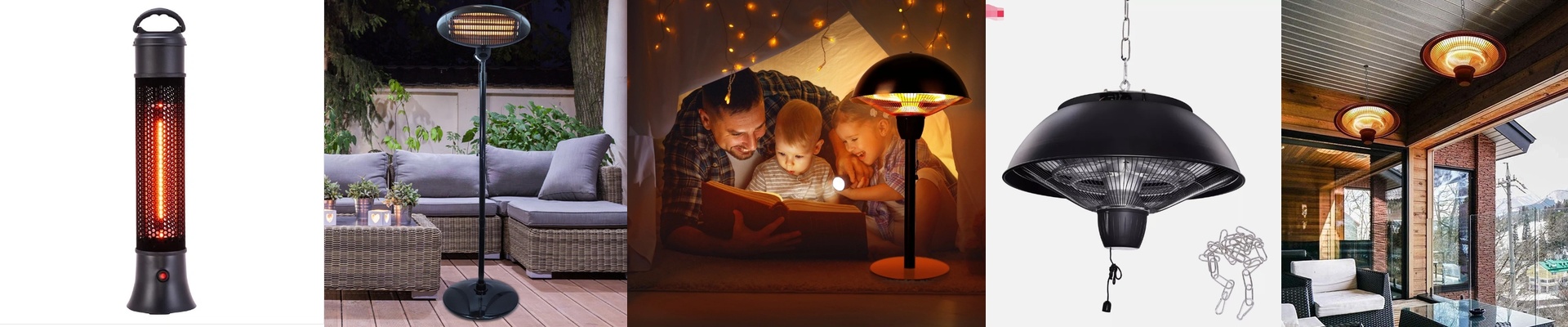
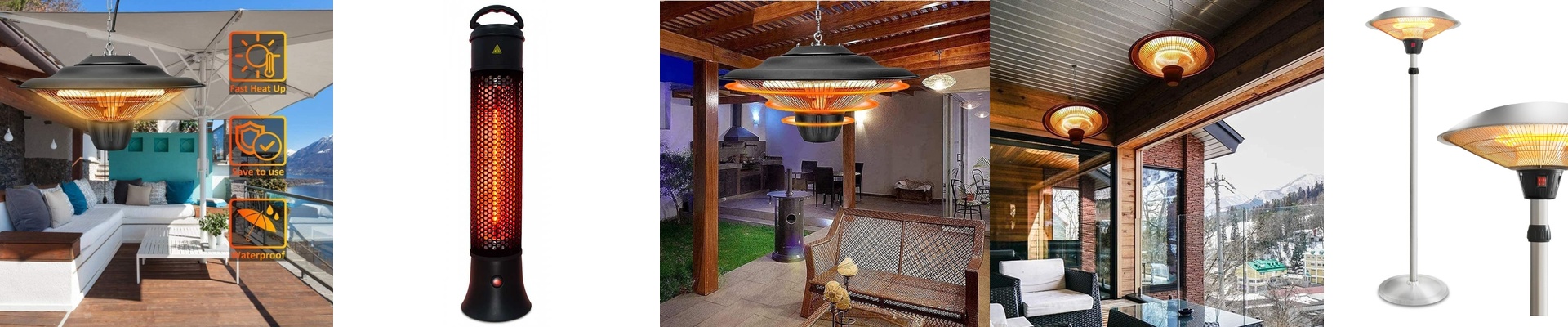
Nobody likes that freezing shock when you step out of a hot shower into a cold bathroom in January. Standard heaters try to warm up all the air in the room, which takes forever. Infrared (IR) heaters are different. They don’t bother with the air; they beam heat directly onto you. It’s like stepping into a patch of sunlight on a spring day. The best part? You can make them “smart” so the heat is waiting for you before you even turn on the faucet.
Why it feels instant
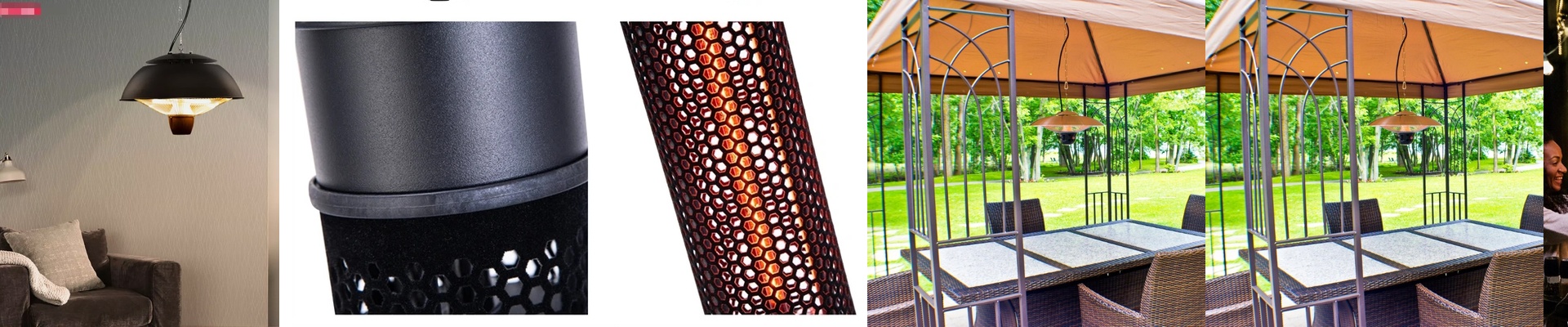
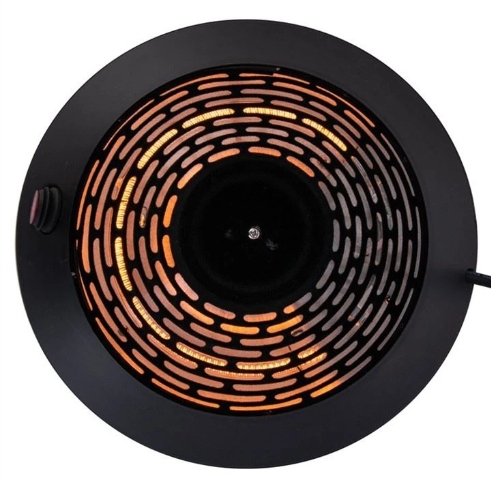
We use short-wave infrared for these. If you’re wondering why that matters: it’s all about speed. The second the power hits the filament, it’s hot. There’s no waiting for a radiator to warm up or a fan to push lukewarm air around. You flip a switch, and you feel the warmth on your skin immediately. It’s a total lifesaver for those 6:00 AM wake-up calls.
Making it “Smart”
To get this working without having to manually flip a switch every time, you just need a smart relay (something with Zigbee or Wi-Fi). You can set it up a few ways. Some people link it to a motion sensor—so the heat kicks in the moment you walk in. Others add it to a “Morning Routine” in their app, so the bathroom is cozy by the time they get out of bed. You just tell your voice assistant or your phone to turn it on, the relay clicks, and you’re warm. Simple.
A few things to watch out for
Before you dive in, there are two big things to keep in mind. First, these lamps pull a lot of power. If you’re putting this in an old house, please check your wiring. Don’t just plug a high-wattage heater into a cheap, flimsy smart switch you found on a bargain site. That’s a great way to melt your hardware or weld the contacts shut. Stick with a dedicated high-amp relay that can actually handle the load. Second, remember that IR heat travels in a straight line. It’s directional. If you mount the heater behind a towel rack or a cupboard, you’re just heating the towels. Put it where it has a clear shot at you, or you’re wasting your electricity.