
Cutting Carbon in Semi Fab: Why IR is the Way to Go
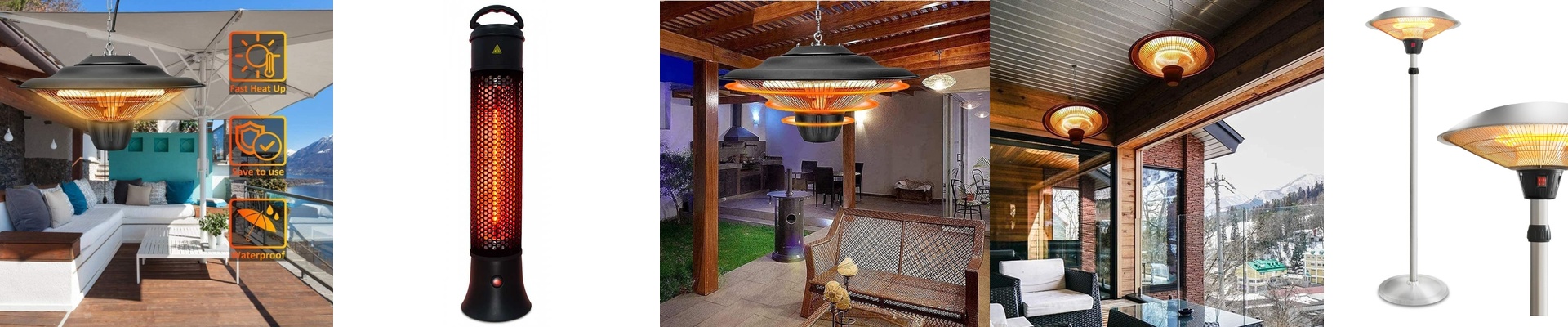
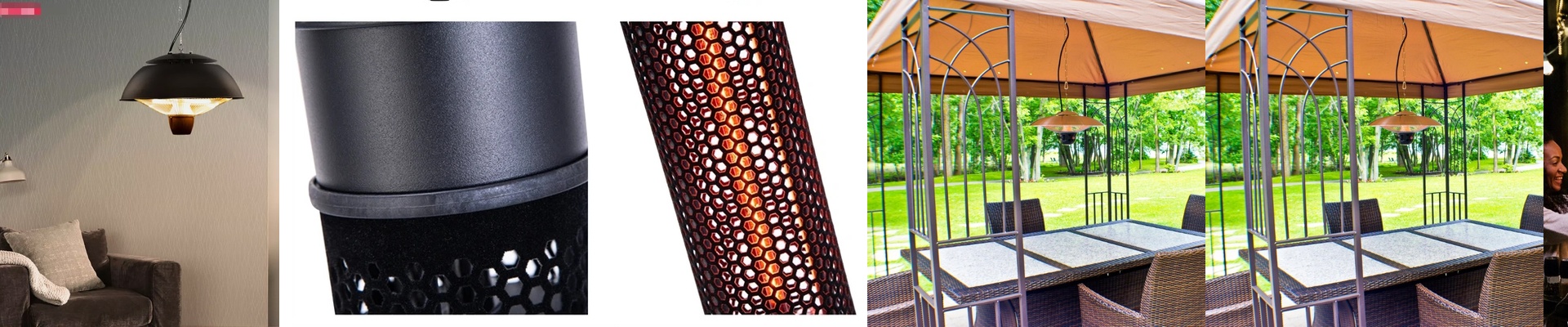
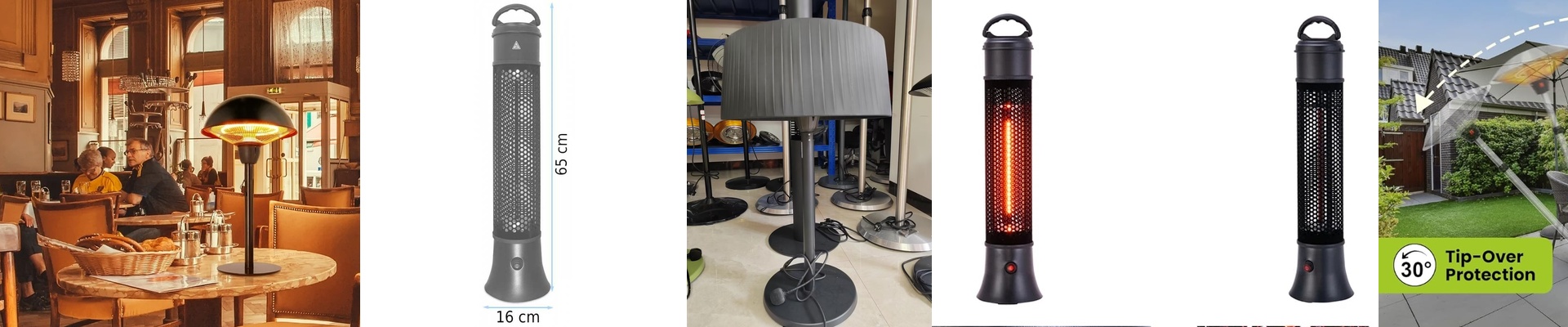
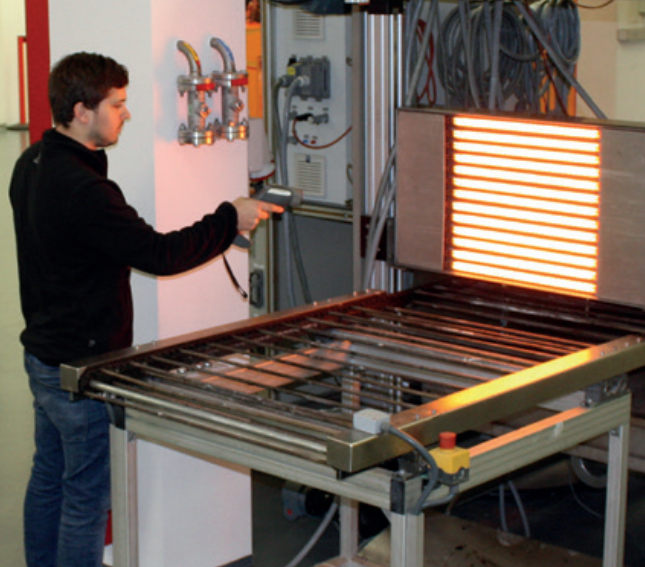
Let’s be honest: traditional resistive ovens are energy hogs. They waste a ton of power just heating up the air inside the chamber before the wafer even feels a thing. It’s inefficient, and in a world where we’re all trying to hit carbon goals, it’s just not a smart move. That’s why we’ve leaned into short-wave infrared (IR) lamps. Instead of heating the whole room, we point the energy straight at the wafer. It’s a direct hit.
How the heat actually works
Think of it like standing in the sun on a cold day. You feel the warmth on your skin even if the air around you is freezing. That’s radiant heat. Since we aren’t fighting to heat up the surrounding air, your cleanroom HVAC doesn’t have to work nearly as hard to keep things cool. You get your ramp-up times down and your kilowatt-hours drop. We’ve spent a lot of time making sure the heat goes exactly where it belongs—into the silicon—rather than soaking into the machine frame.
The tricky part (and how to fix it)
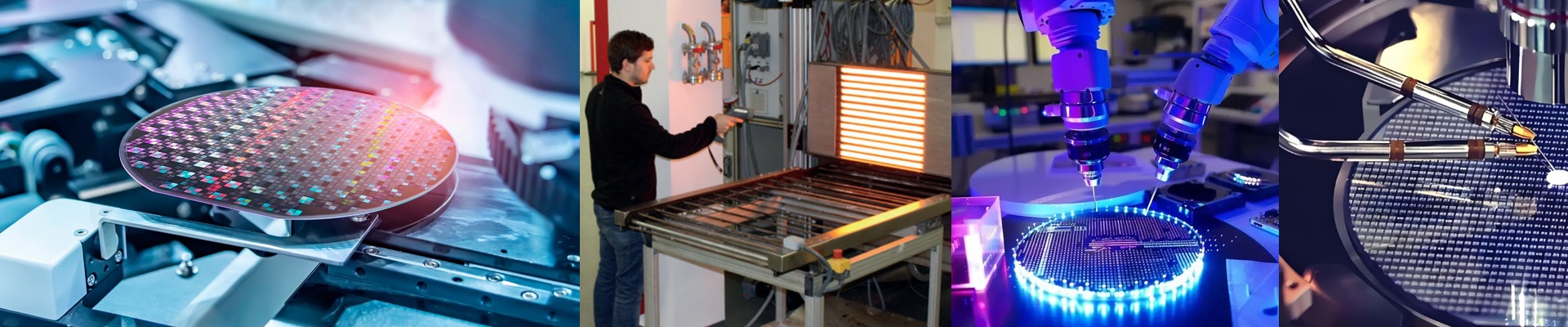
Now, it’s not just “plug and play.” You have to be careful with power density. If you crank the wattage too high or get the lamp too close to the wafer, you’ll end up with hot spots. Nobody wants that. It puts way too much thermal stress on the substrate. The secret is a really dialed-in PID controller. It keeps things steady and stops the temperature from overshooting. It takes a bit of tweaking, but once it’s set, it’s smooth.
Making a real dent in your footprint
The best part? The impact on your carbon footprint is immediate. With old-school heaters, you’ve got these long “warm-up” periods where energy just vanishes into thin air. IR lamps don’t do that. They’re basically instant. You flip the switch, the wafer heats up, and you kill the power the second you’re done. No idling. No waste. It’s a simple way to move toward carbon neutrality without slowing down your line or hurting your yield.