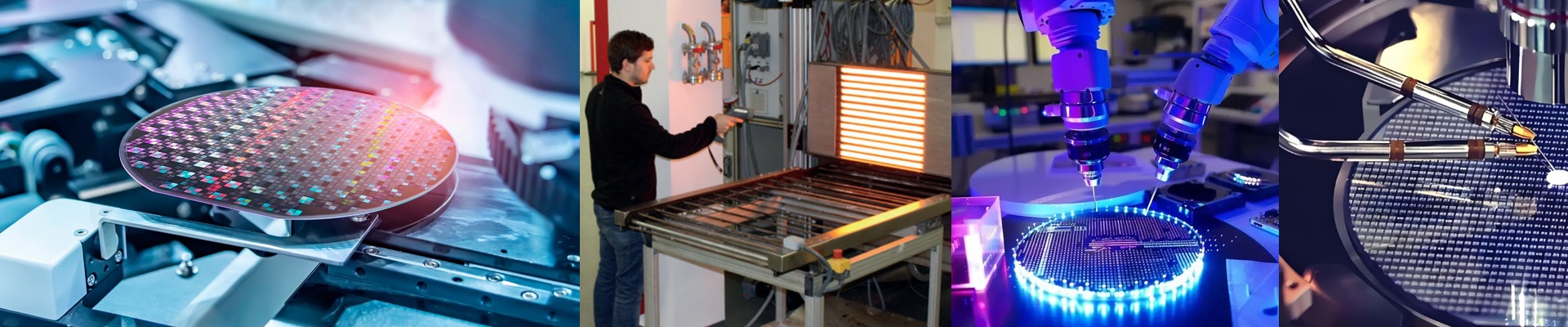
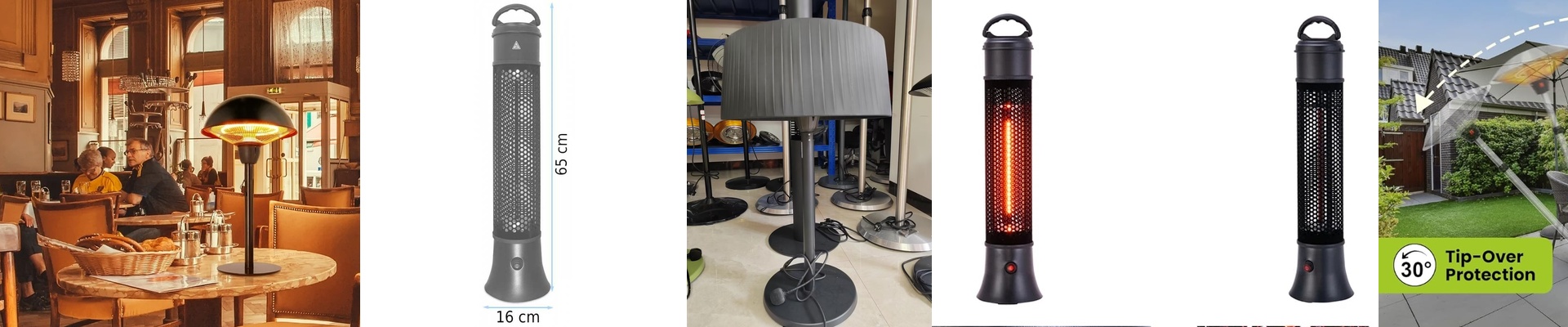
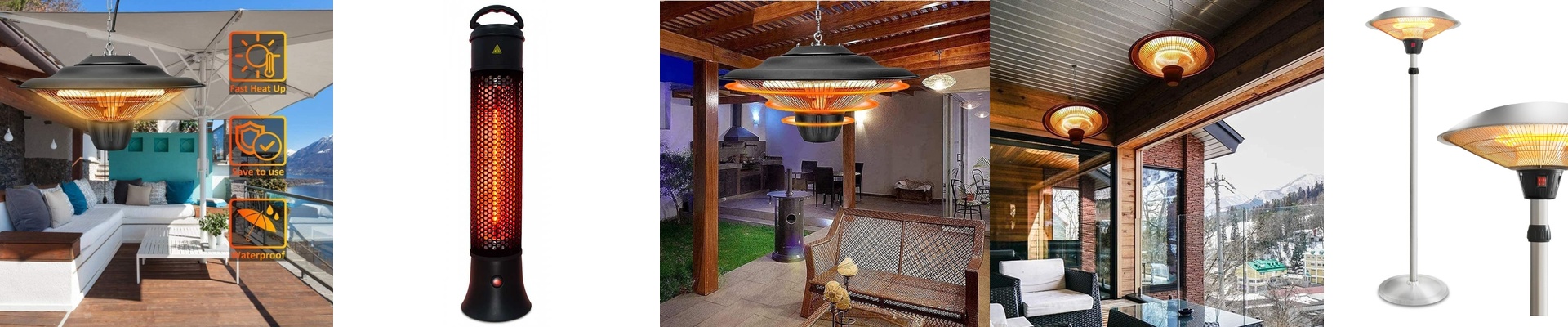
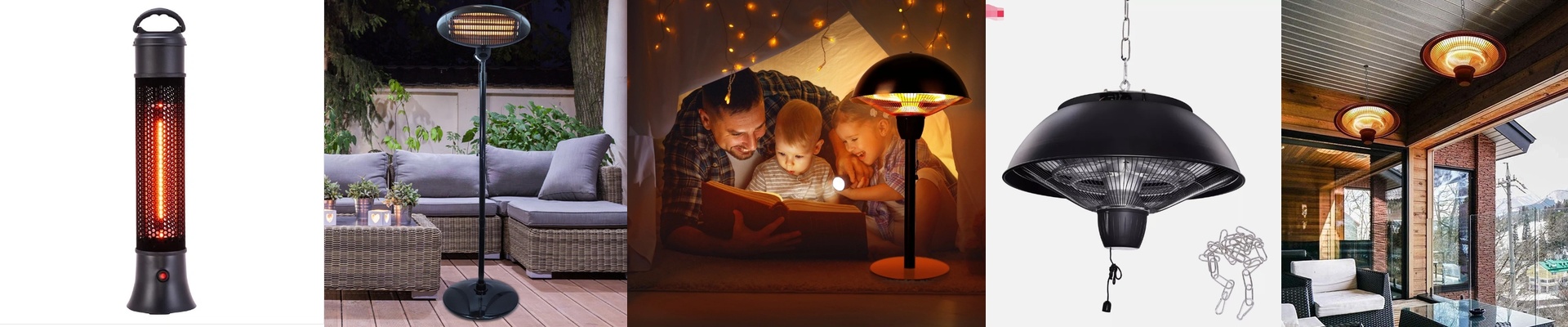
Why we put our IP44 heaters through the ringer
Bathrooms are basically torture chambers for electronics. You’ve got thick steam, random water splashes, and temperatures that swing from freezing to boiling in minutes. If a single seal slips or a wire gets brittle, the whole thing shorts out. That’s why we don’t just glance at an IP44 rating on a spec sheet and call it a day. We actually put every batch through damp-heat aging tests. It’s the only way to be sure.
The reality of “Waterproof”
An IP44 rating is supposed to keep out small objects and splashes from any angle. But in the real world, that comes down to how well the gaskets and cable entries actually hold up. We push these units into extreme heat and humidity cycles. Why? Because it forces moisture into any tiny, microscopic gap in the chassis. If a seal is even slightly off, the moisture sneaks in and starts eating away at the electronics. We’d rather find that out in our lab than have you find it out in your bathroom.
Stressing the lamp
It’s not just about the outer shell, though. The infrared lamps themselves take a beating. Imagine switching on a high-wattage heater in a cold, damp room. The glass and filaments expand almost instantly. We run these lamps in wet chambers to see if that thermal shock causes the quartz to crack or the contacts to rust. It’s a brutal test, but it works.
The balancing act
Here’s the tricky part: if you seal a unit too tightly to keep water out, you trap the heat inside. If the heat can’t escape, the internal parts cook themselves, and the lamp dies way sooner than it should. We spend a lot of time finding that sweet spot—keeping the water out while letting the driver breathe. We do all this because we want to find the breaking point before the product ever hits your warehouse. It’s a lot of work, but it means the lamp won’t just quit on you after three months of steam and splashes.