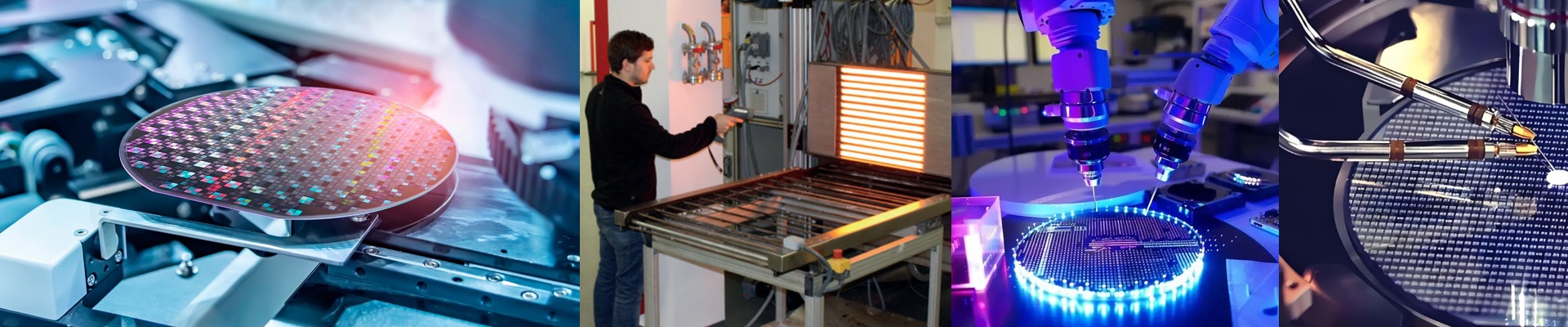




Stop Heating Your Machine Instead of Your Wafer
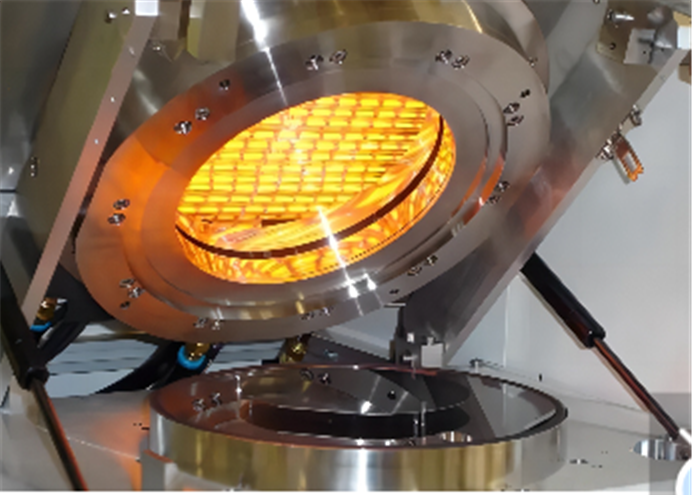
Most infrared heaters are a bit messy. They throw energy in every single direction—basically a 360-degree blast of heat. When you’re working with the tight footprints of semiconductor tools, that’s a problem. The inner walls of your equipment start soaking up all that stray energy, and before you know it, the chassis is dangerously hot. That’s why we use carbon fiber IR lamps. Instead of letting the heat wander, we point it exactly where it needs to go: the wafer or substrate. You stop paying to heat up your machine’s metal skin. How it actually works Think of it as the difference between a lightbulb and a flashlight. Traditional quartz heaters bleed heat everywhere. Carbon fiber filaments let us concentrate that energy. We can dial in the focal point so the heat hits the target and stays there. It’s a huge relief for the people on the floor—your operators won’t be dodging hot spots or burning their hands on the outer casing because the walls stay cool. The “Catch” (and how to handle it) Here’s the thing: these lamps are powerful. They ramp up incredibly fast and give you a level of control that’s hard to beat. But you have to be careful. Because the heat is so concentrated, it puts a lot more stress on the surface. If you throw too much wattage at a tiny area, you’ll end up with hot-spotting on your substrate. It’s all about balance. You’ve got to weigh the lamp length and power density against what your specific process can actually handle. Getting it running We designed these to be drop-in replacements, so you don’t have to rip out your entire fab tool to make them work. The wiring is simple. One tip, though: check your PID controllers. Carbon fiber reacts way faster than old-school ceramic heaters, so you’ll likely need to tune your settings to keep up with that speed. And there’s a hidden perk for your facility manager. Since the equipment walls aren’t acting like giant heat sinks, your cooling water system doesn’t have to work nearly as hard. Your chillers can finally take a breather because the ambient fab temperature stays stable. It’s just a smarter way to move energy. Stop the bulk heating and start targeting.