Stop Your Fab Equipment From Cooking Itself
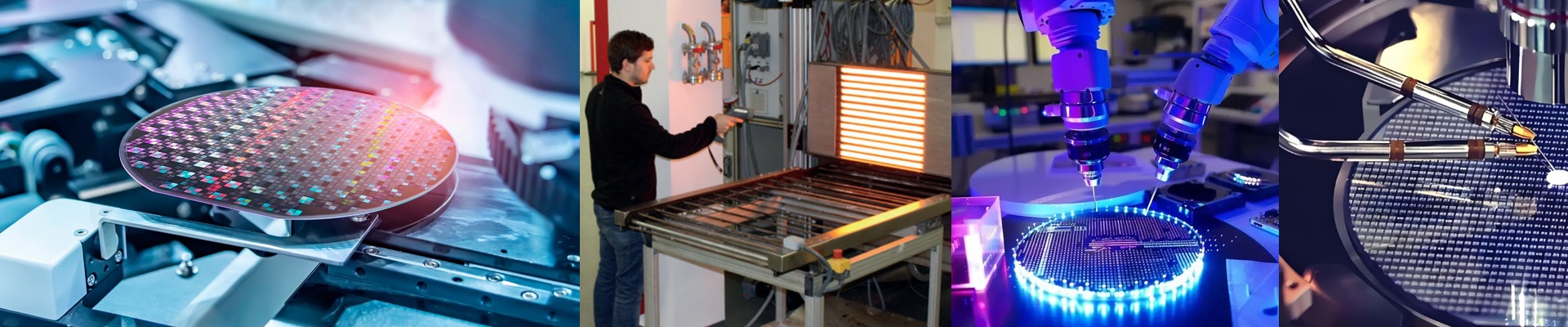
In a semiconductor fab, heat that isn’t where it’s supposed to be is a nightmare. If you’re using standard infrared lamps, you’ve probably noticed the problem: the energy just scatters. It goes everywhere. A lot of that “waste heat” slams right into the inner walls of your gear. Before you know it, the chassis is hot to the touch and you’re worrying about the machine frame warping from thermal expansion. That’s where directional infrared curing lamps come in.
How it actually works
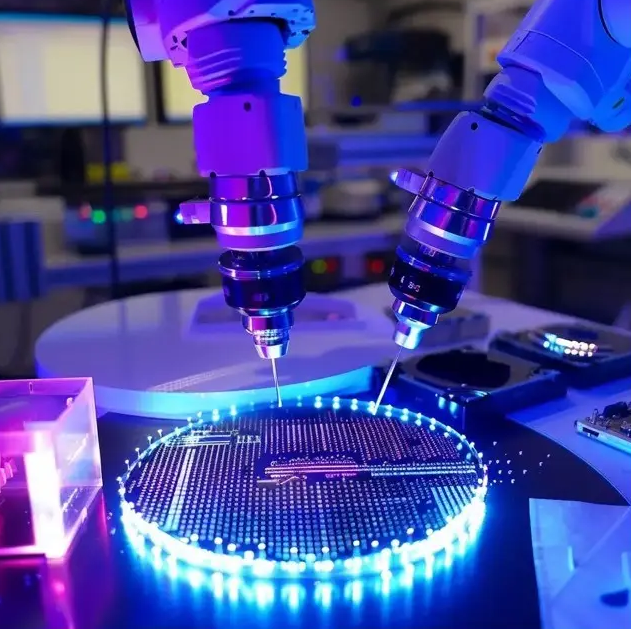
Most quartz lamps throw heat in a full 360-degree circle. That’s overkill. We use specific reflectors and filtered emitters to squeeze that beam down. The goal is to point the infrared energy exactly at the wafer or substrate and nowhere else. It’s pretty simple: if the heat doesn’t hit the wall, the wall stays cool. No guessing games, just physics.
Making it work in your shop
The best part? These lamps are designed to be drop-in replacements for your current curing arrays. When you tighten that beam, you stop fighting your facility’s chilled water loops. Your cooling system doesn’t have to work nearly as hard. Plus, your operators can actually stand next to the machine without worrying about getting burned by a scorching outer casing. It just makes the floor a safer place to be.
The catch (because there’s always one)
Now, you can’t just plug these in and walk away. Directional heating is all about precision. If your lamp is off by even a few degrees, you’re going to miss your target and create a hot spot inside your equipment. You have to map out the exact focal point based on the geometry of your chamber. It takes a bit of patience to get it right. Also, keep an eye on your airflow. Pushing high wattage through a directional lamp puts a lot of stress on the electrodes. If you run them at 100% duty cycle without enough ventilation around the lamp head, they’ll burn out way faster than they should. Keep the air moving, and your lamps will last.