

Keeping Your Class 100 Cleanroom Actually Clean
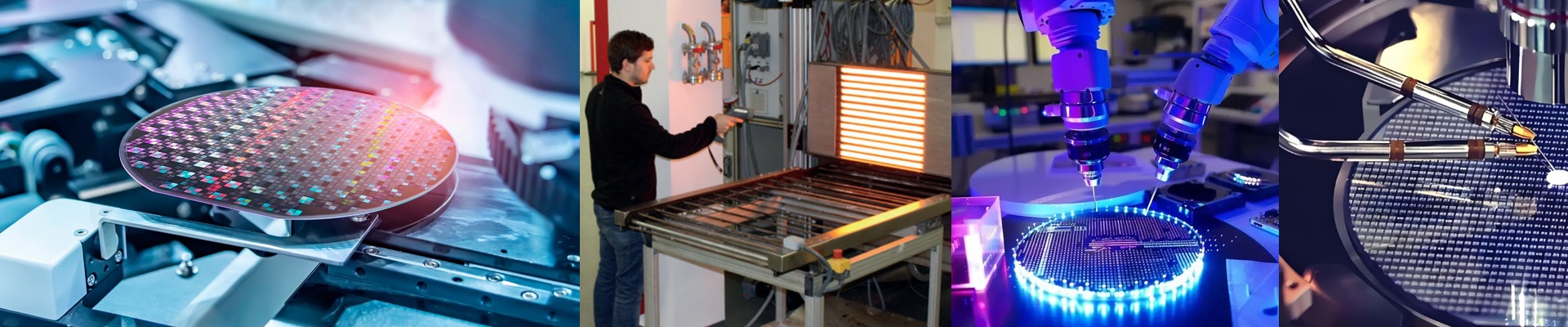
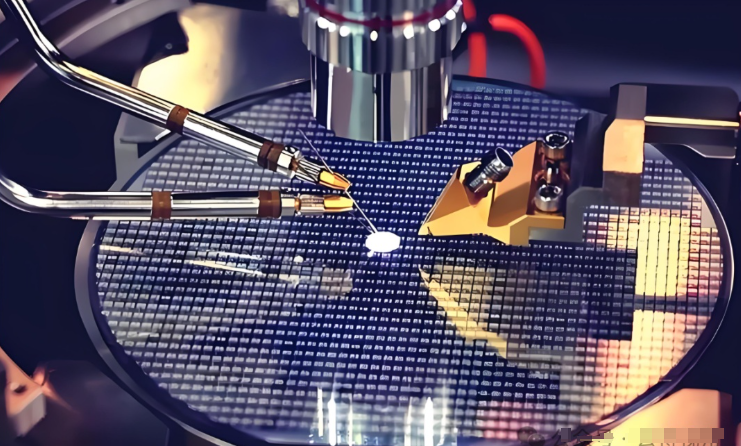
If you’re running a Class 100 (ISO 5) environment, you already know the nightmare of particulate shedding. One tiny flake or a bit of outgassing from a cheap heater, and suddenly your wafers or medical optics are ruined. It’s a disaster. That’s why we stick with high-purity synthetic quartz infrared lamps. Why quartz? Because it just holds up. We use fused silica quartz since it doesn’t freak out during extreme thermal cycling. Unlike those metal-sheathed heaters that peel or oxidize over time, these lamps stay put. The quartz envelope acts like a tight seal, locking the tungsten filament away from the air. No metallic vapors leaking into your process zone. Period. Then there’s the heat. Our lamps get up to temperature fast. By using shortwave IR, the energy goes straight into the workpiece. You aren’t wasting time heating up all the air in the room, which means your HVAC system doesn’t have to work overtime. But a word of warning: if you’re pushing high wattage, don’t skimp on your heat sink. All that heat in such a small space can actually warp thin aluminum frames if you don’t give the air a way to move. Getting them installed We keep things simple with R7s or SK15 connectors. They fit tight, they don’t vibrate, and you can wire them up quickly. No loose contacts, no scary arc-flashes, and definitely no contamination. If you’re replacing old halogen tubes, these are a direct swap. Just be careful. Quartz is tough against heat, but it’s fragile in your hands. One slip during installation and you’ve got a crack. I always suggest using soft-touch clamps—it stops those stress points that usually burn out a lamp way too early. And please, stick to the voltage specs. I know it’s tempting to run a 230V lamp on a 240V line just to squeeze out a few extra degrees. Don’t do it. You’ll kill the filament life by about 30%. It’s just not worth the headache of replacing them twice as often.