
Keeping Your Bathroom Infrared Heaters Safe (and Dry)
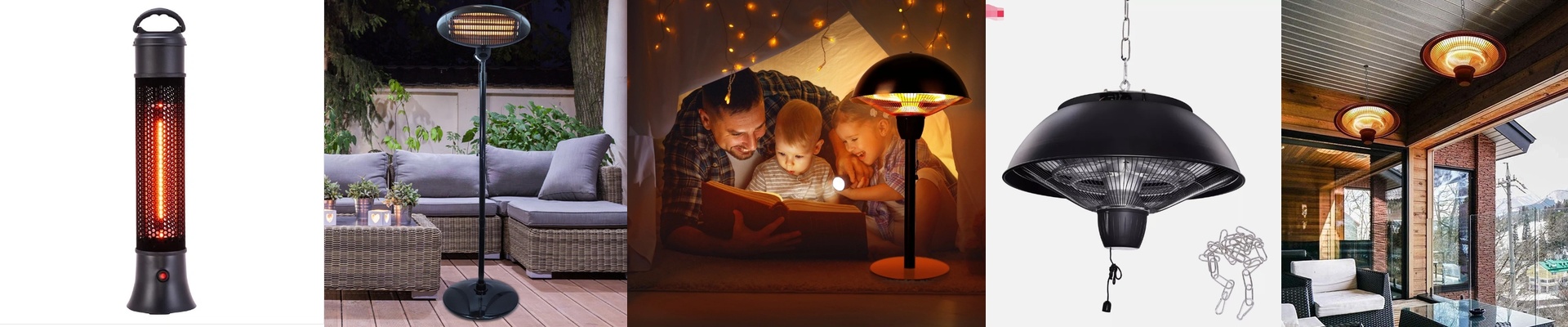
Let’s be real: bathrooms are the worst possible place for electronics. You’ve got steam everywhere and the occasional stray splash of water. You can’t just grab any old heater off the shelf and hope for the best. If you want things to actually stay safe, you have to get the insulation right. For us, that means obsessing over the IP65 rating and making sure the seal between the heater and the power is airtight.
What IP65 actually means for you
In plain English, IP65 means the housing is tight enough to keep out dust and can handle water jets hitting it from any direction. In a steamy bathroom, moisture finds every single tiny gap. That’s why we use silicone gaskets and sealed cable glands. It stops water from sneaking into the terminal box. Because if water hits those live terminals? You’ve got a short circuit. It’s that simple. We also use alloys that don’t rust, so the seals don’t start rotting away after a few months of humidity.
Grounding and the “Shock” Factor
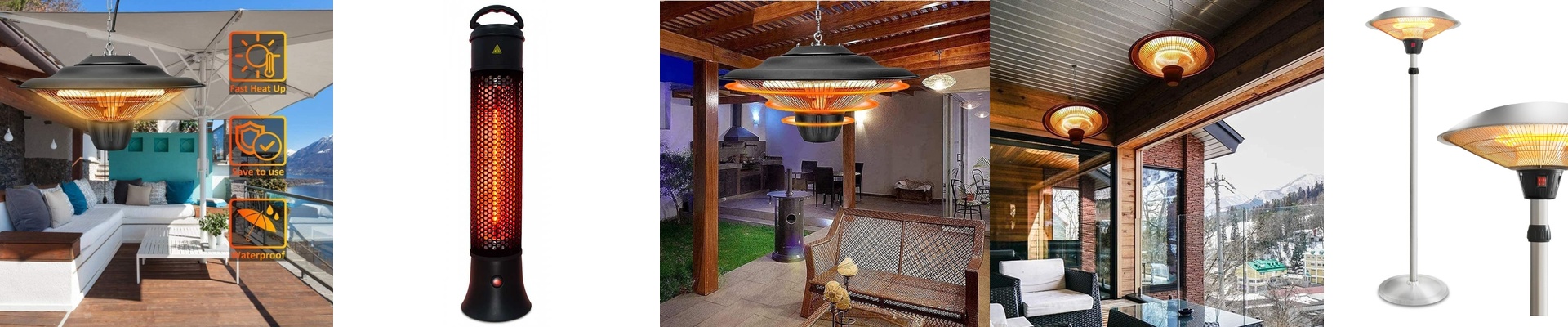
Safety in a wet room comes down to how well the electricity is isolated. We make sure the heating element is completely separated from the outer shell. We use high-temp ceramic insulators at the ends of the lamps to stop any current from leaking out. And here is the non-negotiable part: every single unit needs to be hard-wired to a dedicated ground. If a seal ever fails and a wire touches the casing, the breaker trips instantly. It’s the only way to make sure the heater doesn’t become a giant electric shock hazard.
The tricky part: Heat vs. Seals
Here’s the thing. Tight seals are great for keeping water out, but they’re terrible for letting heat escape. When you wrap a lamp in an IP65 housing, the air inside gets hot way faster than it would in an outdoor garden heater. You have to be careful not to cram too many watts into a tiny, sealed box, or you’ll end up melting your gaskets or frying the wiring. Our rule of thumb? Make the housing about 20% larger than the lamp itself. It gives the unit some breathing room to expand as it heats up without blowing a seal.