


IR Heating vs. Forced Air: What Actually Matters in Your Cleanroom
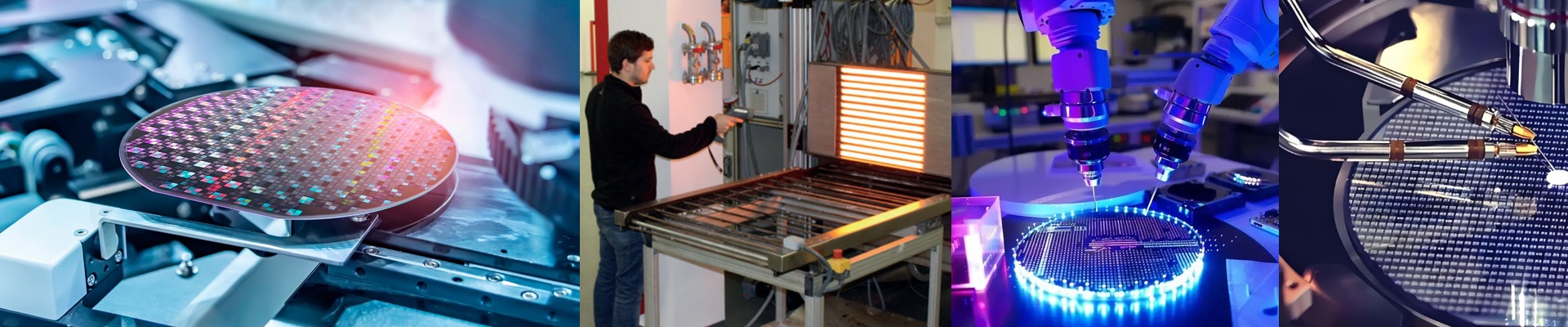
If you’re handling semiconductor deep processing, you know the struggle of managing thermal loads. Most of us grew up using forced air—heating the air and hoping that air heats the part. But there’s a lag there. It’s slow. Infrared (IR) heating just cuts out the middleman. Instead of waiting on the air, the energy goes straight into the substrate. Let’s talk about time. In high-precision fab, we live and die by ramp-up and cool-down cycles. Forced air is a bit of a slog; you’re basically waiting for the whole chamber to stabilize before you can even start. It’s a massive bottleneck. IR is different. It hits your target temperature in seconds. It’s nearly instant. When you shave those seconds off every single wafer or component, your total cycle time plummets. It just feels faster because it is faster. Then there’s the “mess” factor. Forced air moves things. Even with the best HEPA filters, blasting high-velocity hot air around a cleanroom creates turbulence. That turbulence kicks up particles and drops them exactly where you don’t want them. IR heaters just sit there. No blowers, no ducting, no shaking loose random debris. Your environment stays cleaner, and your equipment doesn’t take up half the room. But it’s not all magic. IR has its quirks. Since it’s directional, you don’t get that cozy “blanket” of heat you get with air. If you aren’t careful, you’ll end up with hot spots. If your part has a weird shape, you’ll need to set up a reflector array to spread that energy around. You also have to keep a close eye on power density. A high-wattage lamp can fry a thin substrate in a heartbeat if your PID controller isn’t dialed in. My advice? Use fast-response thermocouples so you don’t overshoot your temp. And for heaven’s sake, don’t forget a proper cooling loop for the lamp housings, or you’ll be replacing burnt-out filaments way more often than you’d like.