
Making Your Outdoor Space Actually Usable (Even When It’s Cold)
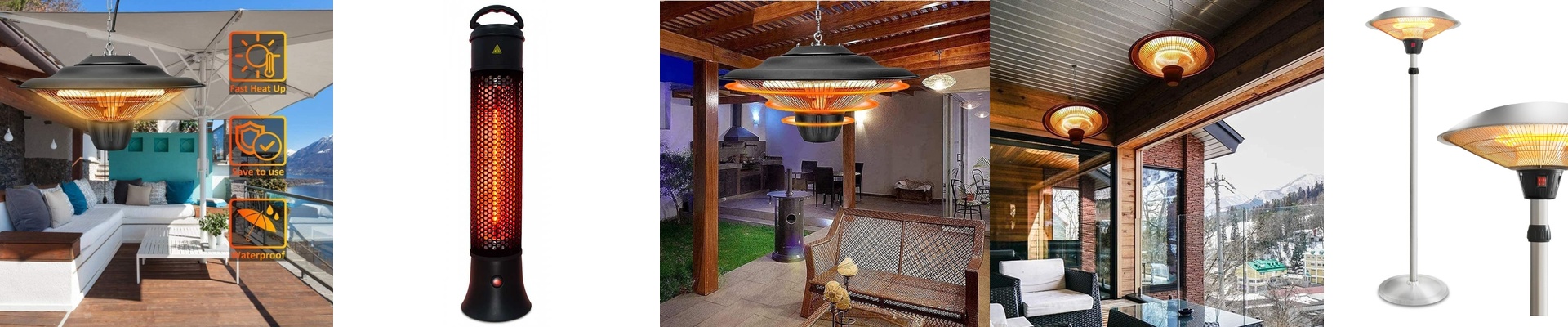
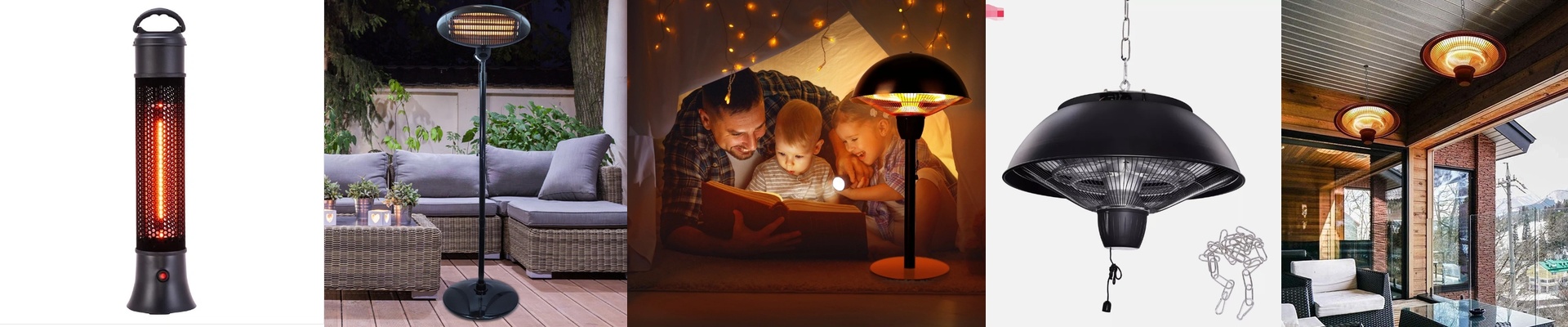
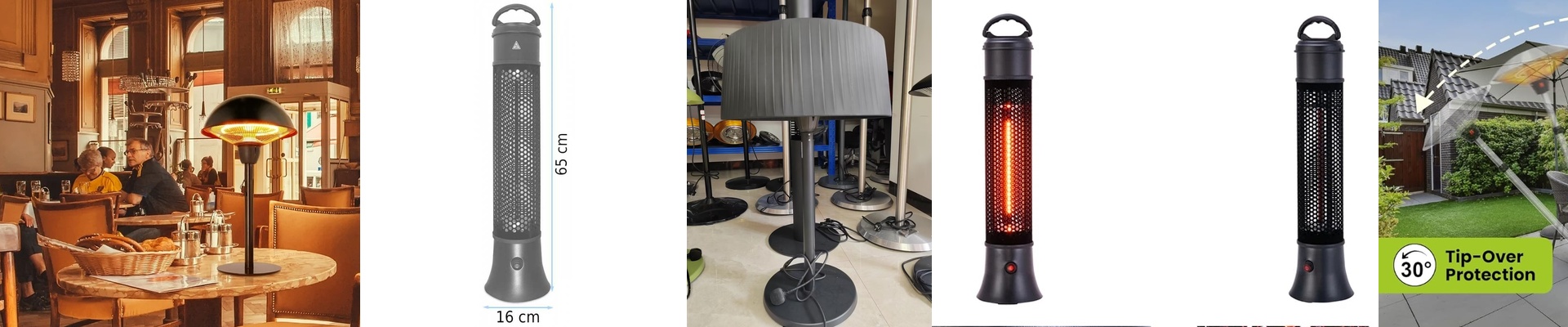
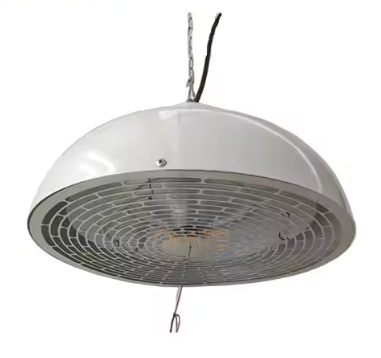
We build our infrared heaters to take a beating from the weather while keeping you warm the second you flip the switch. Most heaters try to warm up the air around you, but that’s a losing battle outdoors. One breeze comes along and your heat is gone. Our units work differently. They send heat directly to you—and your guests—meaning you stay warm even if the wind is picking up on your patio or balcony.
Weatherproofing and the Nitty-Gritty
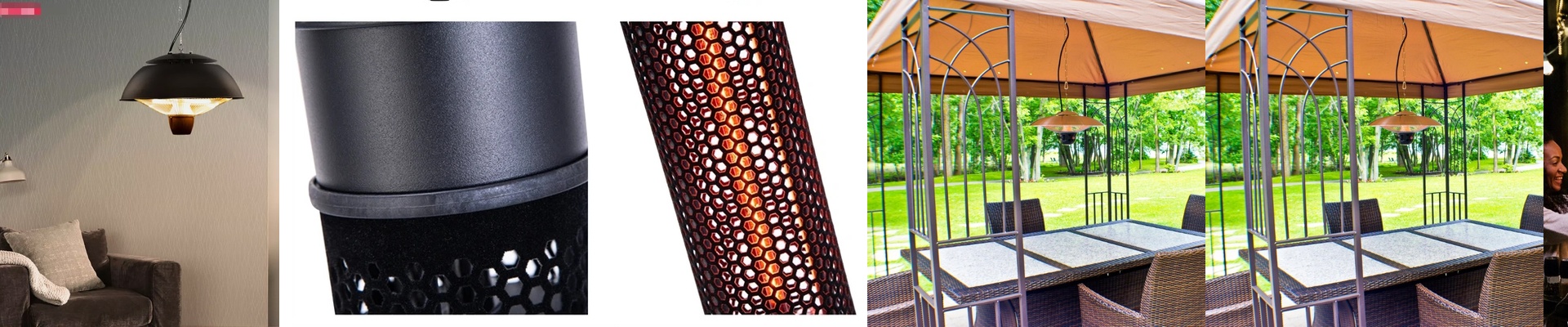
You’ll see “IP65” on the spec sheet. In plain English? It means the thing is dust-tight and can handle a good soaking from the rain without breaking. We use sealed gaskets and alloys that don’t rust, so the guts of the heater stay dry. No one wants a short circuit just because it started drizzling during a BBQ. As for the heat itself, we use short-wave elements. You don’t have to sit around waiting for a coil to slowly glow red. It’s almost instant. One click, and it feels like spring.
Getting it “Smart”
If you want to control your heat from your phone, you’ll need a reliable relay or a PWM controller. We usually hook these up through Zigbee or Wi-Fi gateways. It’s a simple setup: you tap “On” in your app, a signal hits a high-current relay, and the infrared array kicks in. There’s hardly any lag. You hear the relay click, and you feel the heat. Simple as that.
A Quick Word on Wiring
Here is the thing: these heaters pull a lot of power. If you’re planning to put a few of these on one smart circuit, please don’t skimp on the cabling. If the wires are too thin, you’ll get a voltage drop. Worse, you could trip your breakers or actually melt your connectors. If your setup is pulling more than 3kW, just run dedicated lines. It’s the only way to make sure everything stays safe and runs full blast without burning out.