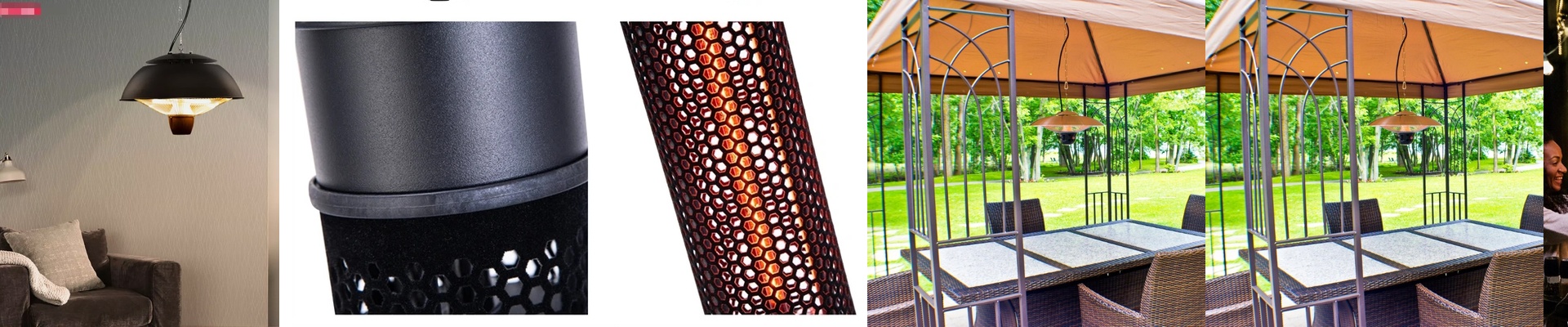
Why Your Bathroom Heater Probably Sucks (And How to Fix It)
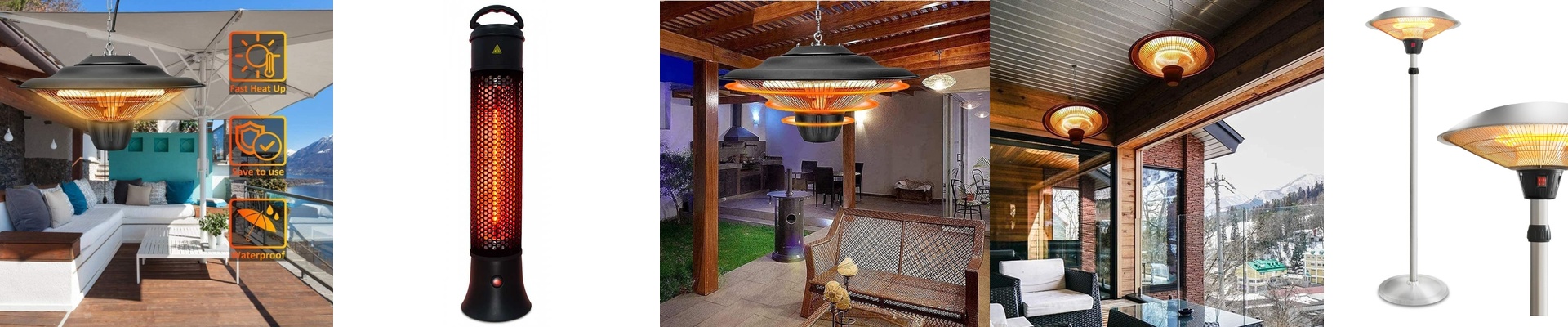
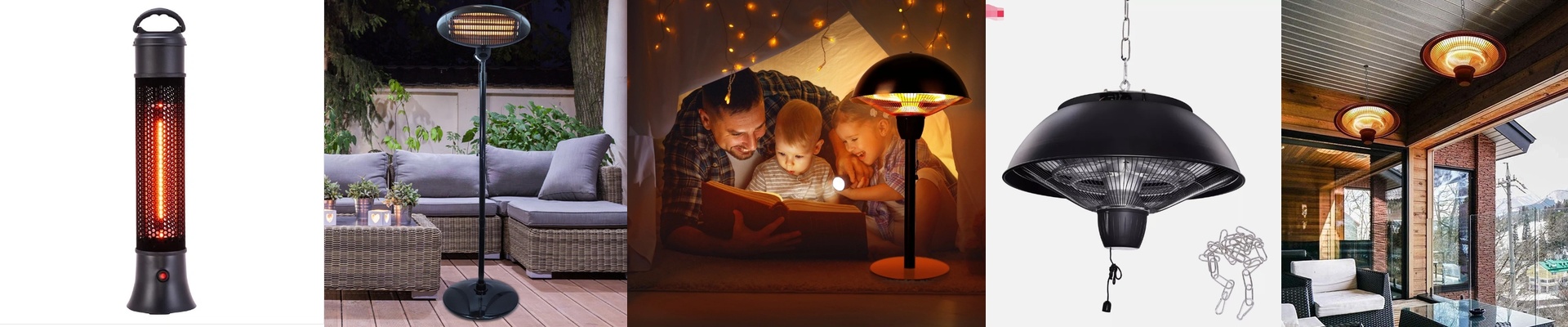
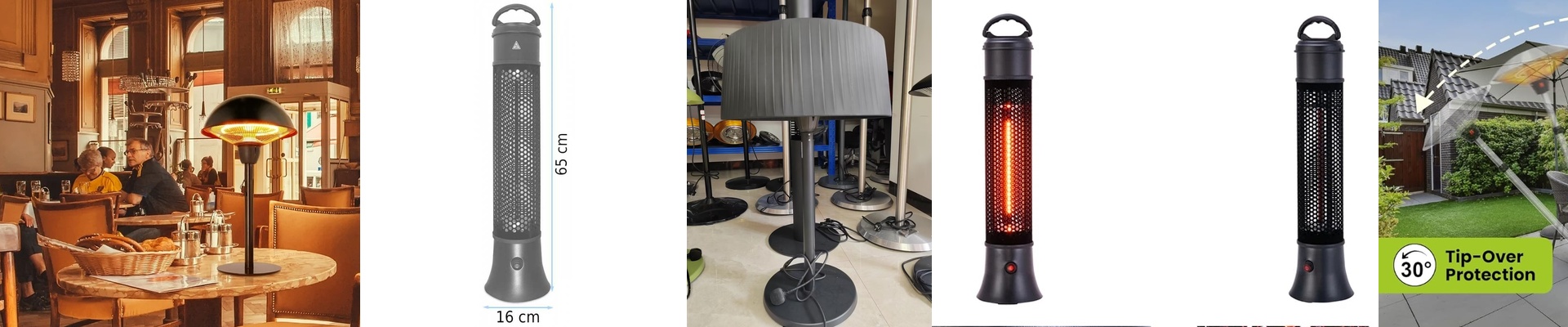
We’ve all been there. You step out of a hot shower into a bathroom that feels like a walk-in freezer. You turn on those old-school “lamp heaters,” and you just… wait. They try to warm up the air, but the heat just floats straight to the ceiling. You’re still shivering, and your towel is still damp. That’s why more people are ditching the old bulbs for high-standard infrared heaters. Here is the real difference: instead of trying to heat the entire room, infrared goes straight for the target. It’s radiant heat. Think of it like the sun on your skin on a crisp autumn day. It doesn’t matter if the air is cold; you feel the warmth immediately. When you put this tech into a towel rail, you get a warm towel and a warm body at the same time. It’s a massive upgrade in how a morning actually feels. But there’s a catch. Bathrooms are basically steam rooms, and moisture loves to kill electronics. Cheap heaters are a nightmare. Steam gets inside, things short out, and suddenly you’ve got a dead unit. This is where those “IP ratings” actually matter. You want something rated IP44 or higher. We use heavy-duty silicone gaskets and reinforced seals to keep the water out of the guts of the machine. If that seal fails, the whole thing is toast. So, before you even think about wiring one in, check the seal. It’s the only way to make sure it lasts. Now, if you’re planning to swap your old heater for an infrared one, don’t just plug and play. These units pack a lot more punch than those old halogen bulbs. You need to check your breaker capacity first, or you’ll be flipping the switch in your fuse box more often than you’d like. And a quick tip on the walls: these things get hot. Fast. If you mount a high-wattage rail directly against cheap PVC cladding, you might actually warp your walls. It’s not a great look. Stick with aluminum or ceramic brackets—they help pull the heat away from the wall and keep everything safe.