Stop Fighting Bathroom Mold (The Smart Way)
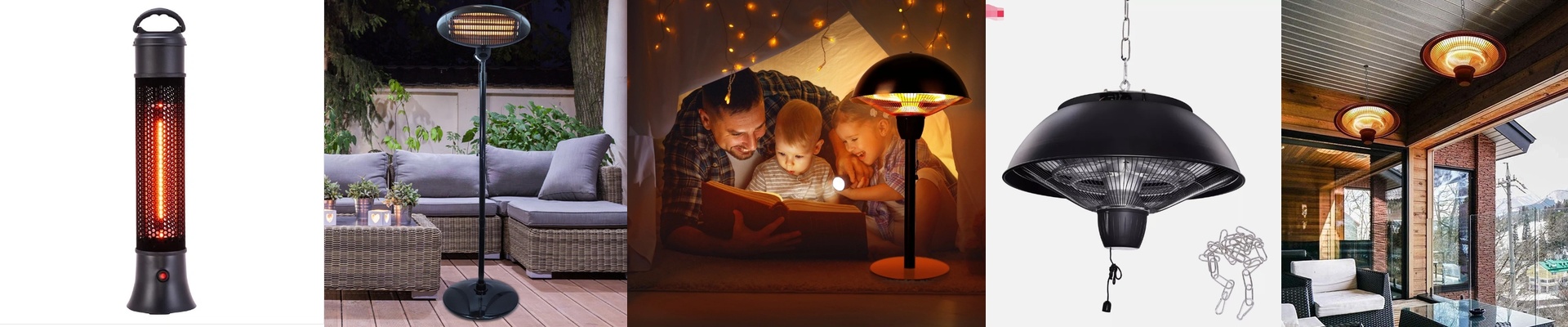
Most people look at an infrared lamp in a bathroom and just see a heater. But it’s actually doing something way more interesting. We don’t just want to make the air feel warm; we want to actually manage the room. By tweaking the light spectrum, we can go after moisture and mold right where they hide.
Why mold hates these lamps
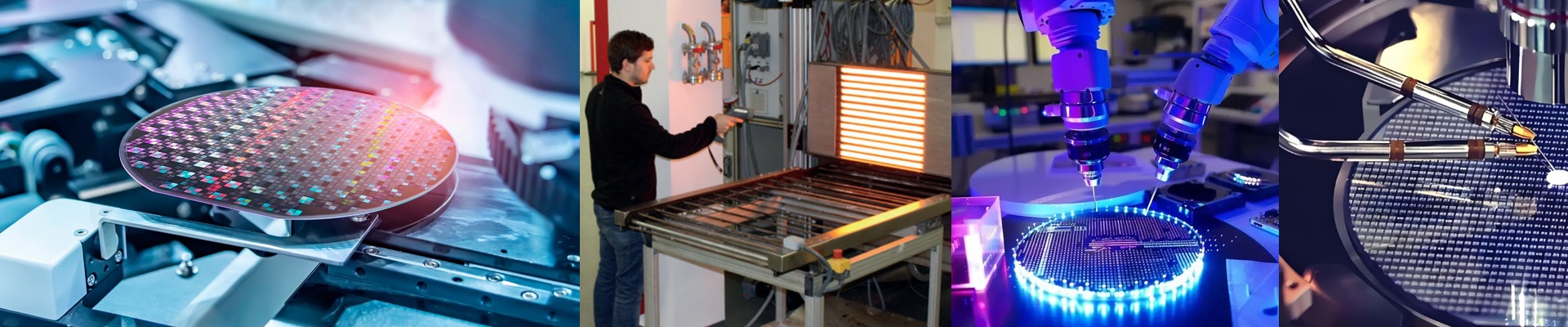
Mold loves those damp, stagnant corners where the walls stay cold. Standard heaters usually miss those spots because they just move warm air around. We do things differently. We use shortwave infrared (SWIR). Instead of just heating the air, this tech sinks right into the surface of your walls and ceiling. It basically creates a thermal shield. If the wall stays warm, water can’t settle and condense. And if there’s no condensation, mold spores have nothing to eat. We’ve tuned these lamps to target the moisture film on porous surfaces, drying out the areas where your ventilation just can’t reach.
Finding the sweet spot
You might think, “Why not just blast it with more power?” Well, that’s a bad idea. If you go overboard with the wattage, you’ll end up with “hot zones” that feel like a microwave, or worse, you could actually scorch your ceiling. We aim for a steady 30-40°C across the whole room. It’s that perfect middle ground. It’s warm enough to kill the dampness, but it doesn’t turn your bathroom into a sauna.
A quick heads-up on installation
These aren’t exactly “plug and play” for every single house. Since shortwave lamps hit their top temperature almost instantly, they create a quick surge of power when you flip the switch. It’s exactly why they’re so good at killing dampness, but it can be a shock to your electrical system. If you’re swapping out old fixtures, just double-check your circuit breakers and wiring first. You want to make sure your home can handle that initial jump in power without tripping a switch.