Stop turning your equipment into an oven
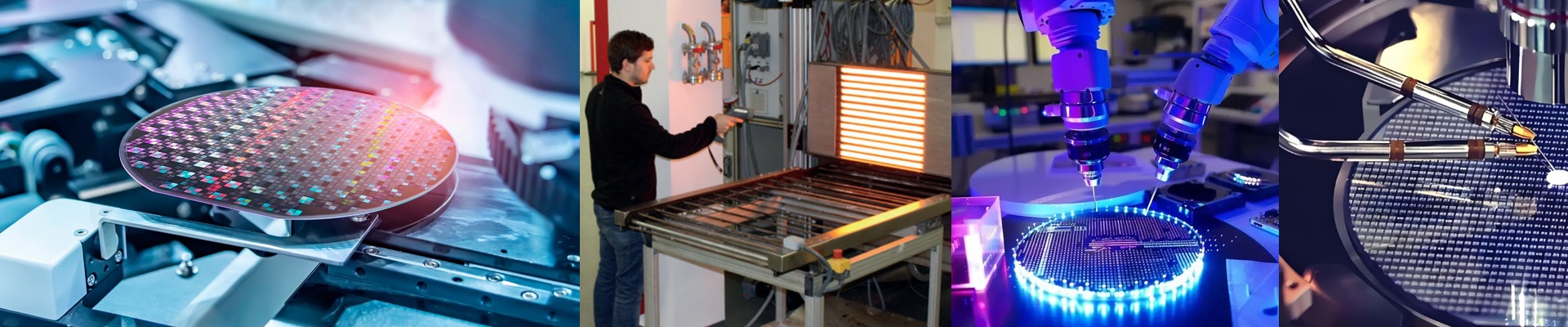
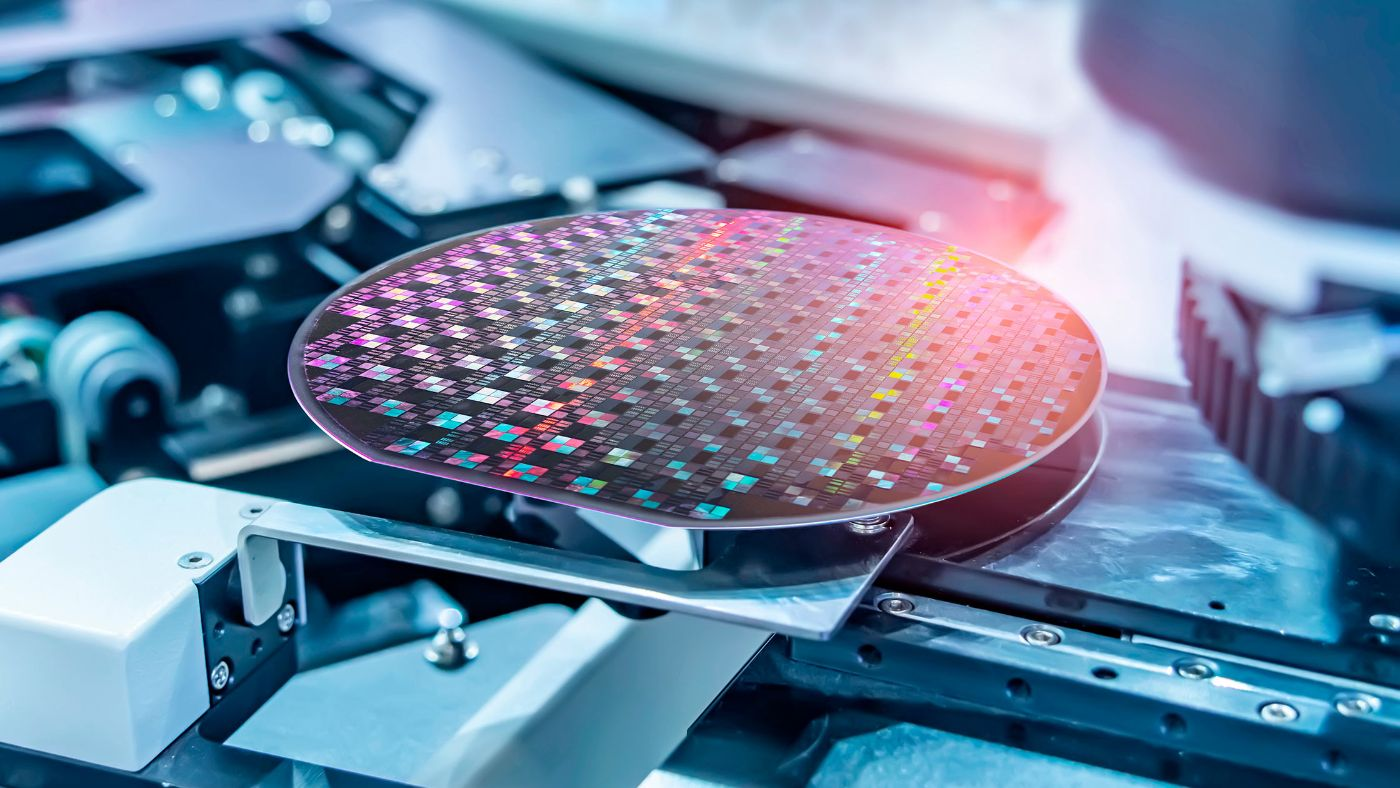
If you’ve ever worked with bio-sensor fabrication, you know the struggle with heat. You need precise temperatures, but standard infrared lamps are messy. They throw heat everywhere. The problem is that the internal walls of your semiconductor gear end up soaking up all that waste energy. Before you know it, the entire machine housing is hot to the touch. It’s a waste of power, and frankly, it’s annoying. We fixed this by switching to directional infrared technology. Hitting the target, not the walls Instead of letting the heat bleed out in every direction, we focus the IR radiation into a tight, controlled beam. Think of it like switching from a lightbulb to a flashlight. By using specific reflectors and emitters, the energy goes straight to the substrate. It stays there. This kills that “oven effect” where the whole chamber starts baking. You get the exact surface temperature your bio-sensor needs, and your machine casing stays cool. The catch (and how to handle it) Now, there is a trade-off. When you concentrate heat like this, the energy density at the focal point gets intense. If your lamp is even a few millimeters too close to the wafer, the heat flux spikes. You could easily overshoot your target temperature and ruin a batch. Because of that, you can’t wing it with your setup. You’ll want to be really picky about your distance sensors and PID controllers to keep things dialed in. Better for the people, better for the room The best part? Your team will actually thank you. Since the inner walls aren’t radiating heat, technicians don’t have to worry about burning their hands during a quick maintenance check. It’s just safer. Plus, your HVAC system gets a break. When you stop heating the air around the machine, the cleanroom stays stable and your cooling costs drop. It’s simple: put the energy where it belongs and stop wasting it on the walls.