A Better Way to Dry MEMS Wafers
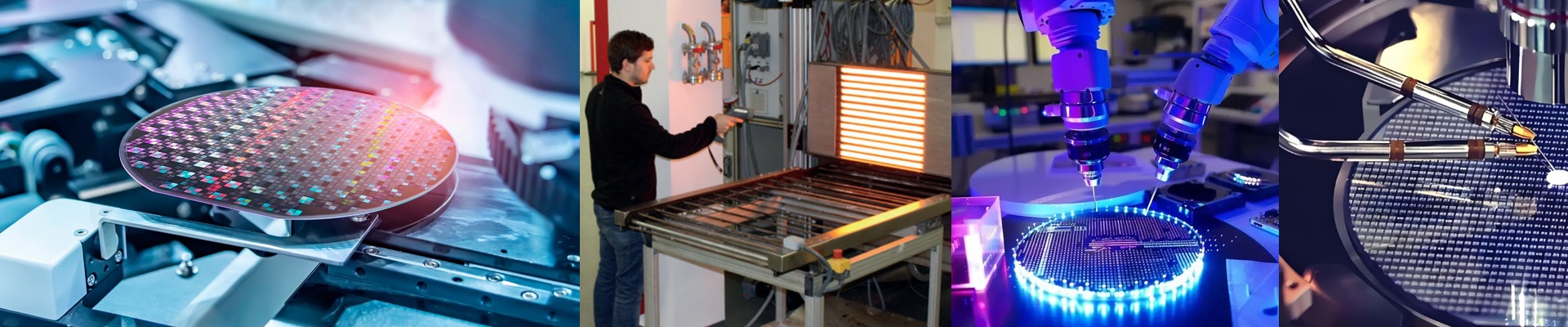
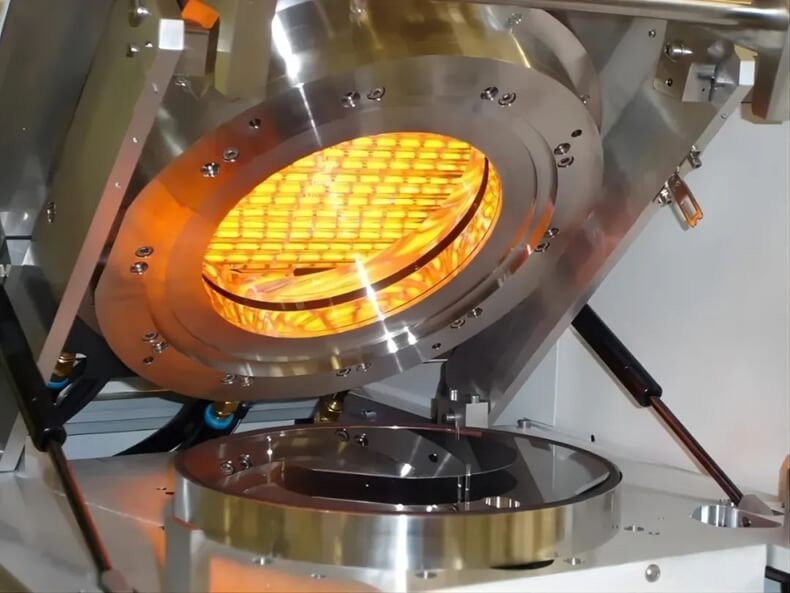
If you’ve spent any time in MEMS sensor fabrication, you know the struggle. Trying to dry wafers without leaving a mess of residue—or worse, warping the part with thermal stress—feels like a constant uphill battle. Most people rely on standard convection heaters, but there’s a problem. They tend to bake the inner walls of the equipment chamber. It’s a waste of energy, and honestly, it’s a safety nightmare for whoever has to reach into that machine. We found a better way: directional infrared (IR) heating lamps. How it actually works Think of it like this: resistive heaters try to warm up the air around the part. IR lamps are different. They shoot electromagnetic radiation in a straight line. We aim those lamps directly at the wafer. The energy hits the wafer and the liquid residue, and boom—rapid evaporation. Because the heat is targeted, the equipment walls stay cool. You aren’t wasting power heating up the entire room; you’re just heating the part that actually needs it. The tricky parts It’s not just “plug and play,” though. To get the right heat density for MEMS, we usually go with short-wave quartz lamps. They ramp up fast, which is great for keeping your production line moving. But you have to be careful with the spacing. It’s a balancing act. Put the lamp too close, and you’ll create hot spots that ruin the sensor. Push it too far back, and your drying time starts to crawl. You’ve got to nail that distance. Making life easier on the floor The best part? You can ditch the massive, bulky insulation that convection systems need. This means your tools take up way less space on the floor. It also kills the long “burn-in” wait times when you start the machine. Operators can get in there faster without worrying about getting burned by a scorching chassis. Just one tip: make sure your power supply can handle the lamp’s peak wattage. If it can’t, you’ll deal with flickering or filaments burning out way sooner than they should.