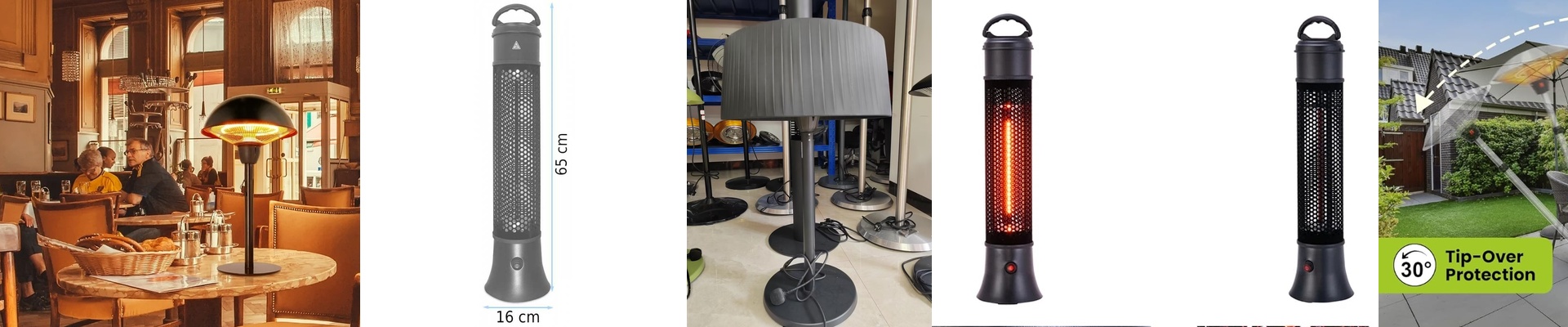
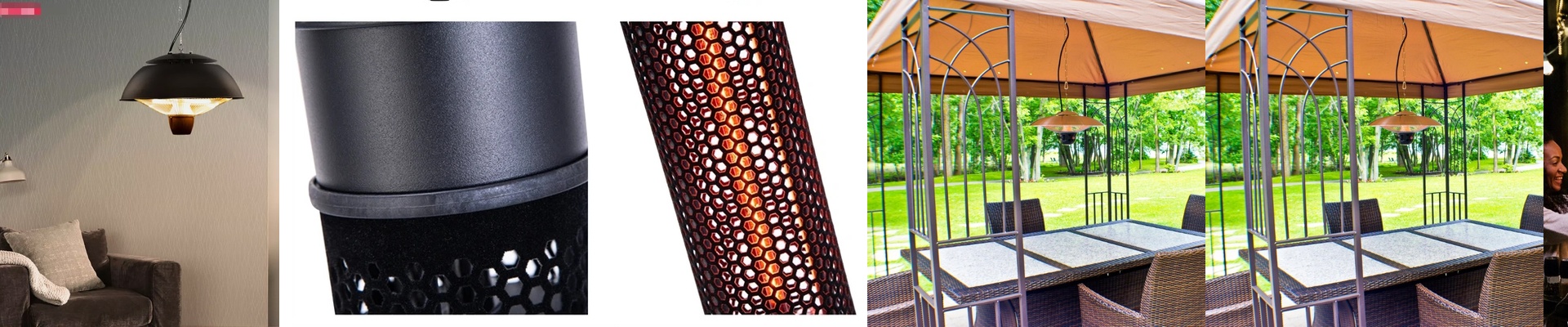
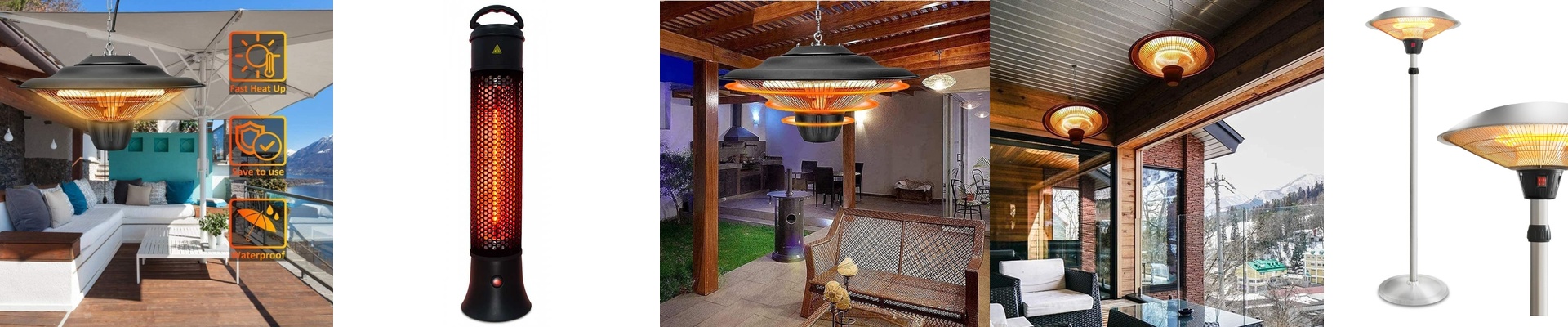
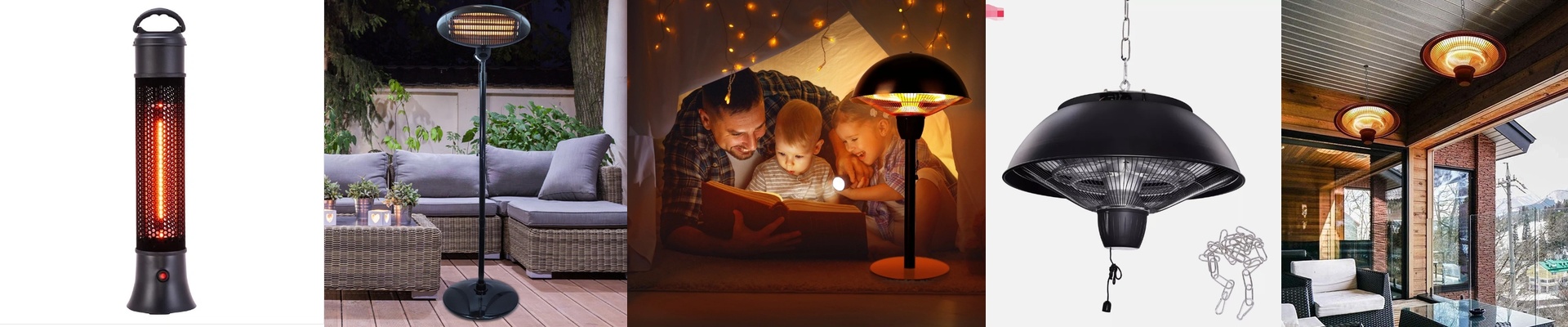
More Than Just a Warm Bathroom
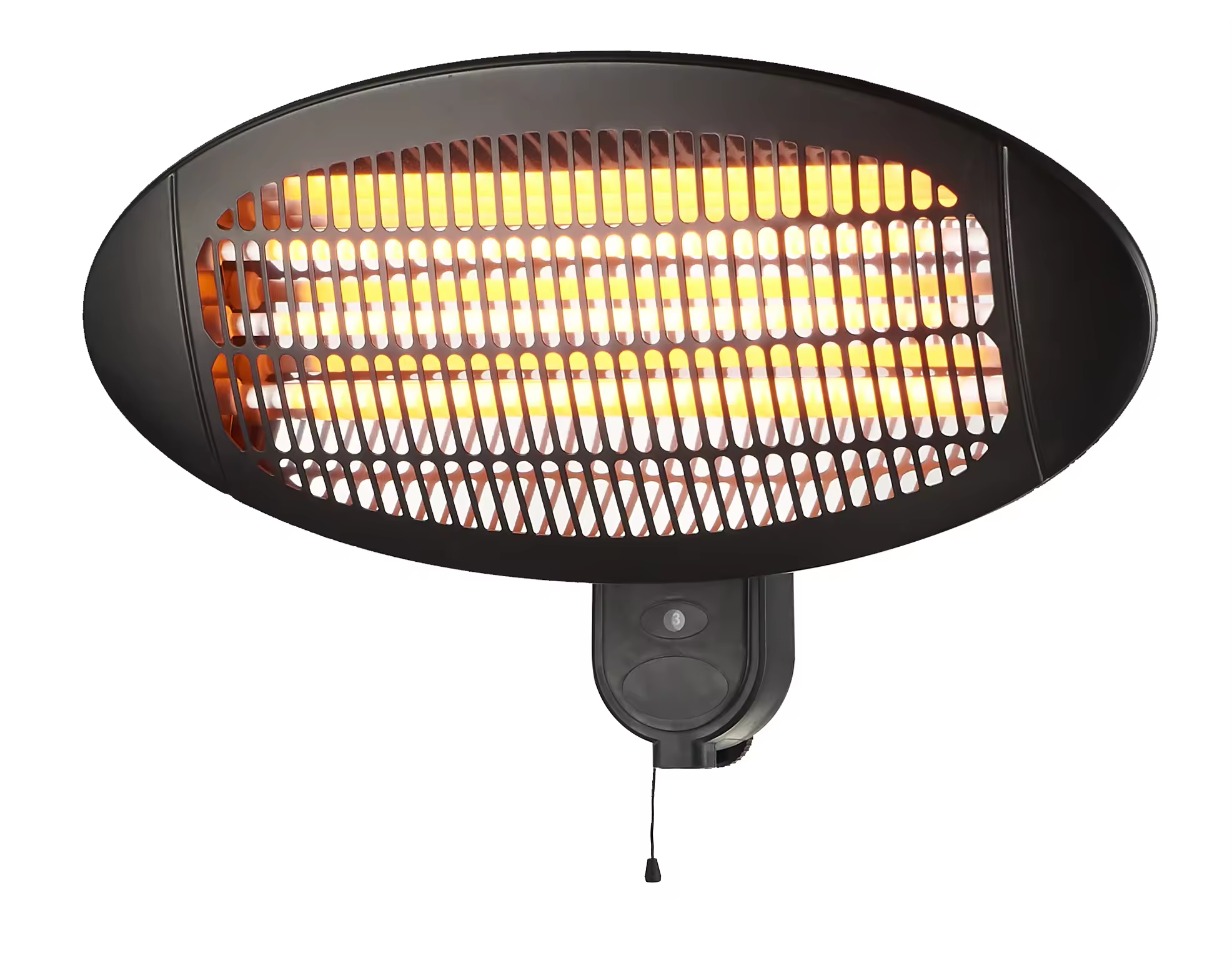
Most people see an IP65 bathroom heater and think, “Great, I won’t be freezing when I step out of the shower.” But if you look at it from an engineering perspective, it’s doing way more than just warming up the air. It’s actually about fighting a war against mold.
How it actually works
We use something called short-wave infrared (SWIR) emitters. Now, unlike those old-school heaters that just blow hot air around, SWIR goes straight for the source. It penetrates right into your tiles, the grout, and even your shower curtain. It basically shakes the water molecules until they evaporate. We call it auxiliary dehumidification, but in plain English? It’s just drying out the damp spots where mold loves to hide. By getting that surface moisture gone quickly, mold spores never even get a chance to move in.
Keeping things safe (and dry)
Putting a high-powered heater in a room full of steam is a bit like playing with fire—literally. That’s why we stick to IP65 standards. Basically, the housing is sealed tight. We use tempered glass and high-temp silicone seals so the electronics stay bone-dry while the emitter gets scorching hot. There’s a tricky balance here, though. If we crank the wattage too high in a small space, you could actually crack your bathroom tiles. We’ve tuned the heat so it dries your surfaces fast without cooking your walls.
A quick heads-up on installation
Here’s the thing: these units look like standard ceiling lights, so they’re easy to swap in. But they pull a lot more power. Do notjust plug these into a basic lighting circuit. If your wiring isn’t up to the task, you’re going to trip your breakers—or worse, melt some old insulation. Make sure your electrician uses the right gauge wiring. It’s a small detail, but it’s the difference between a cozy bathroom and a call to the fire department.