Why we’re switching to Infrared for lead-free semiconductors
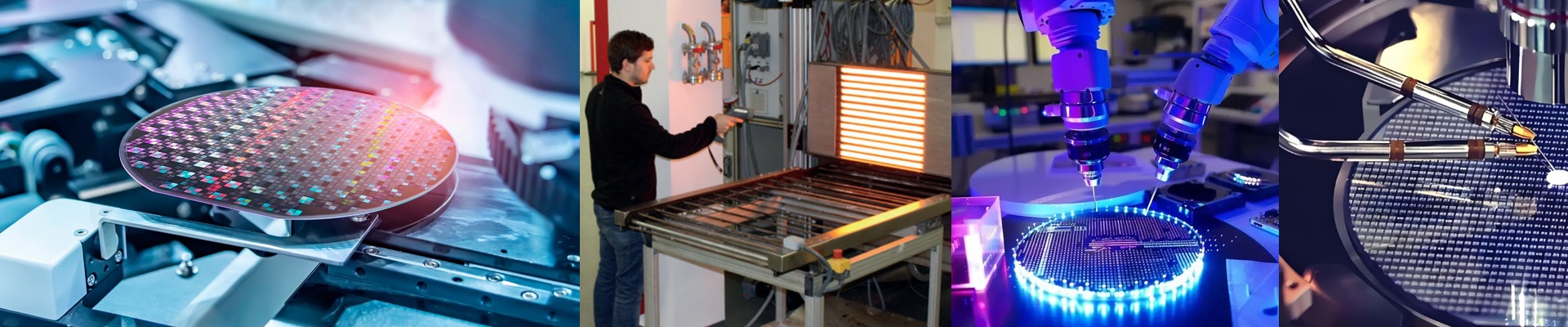
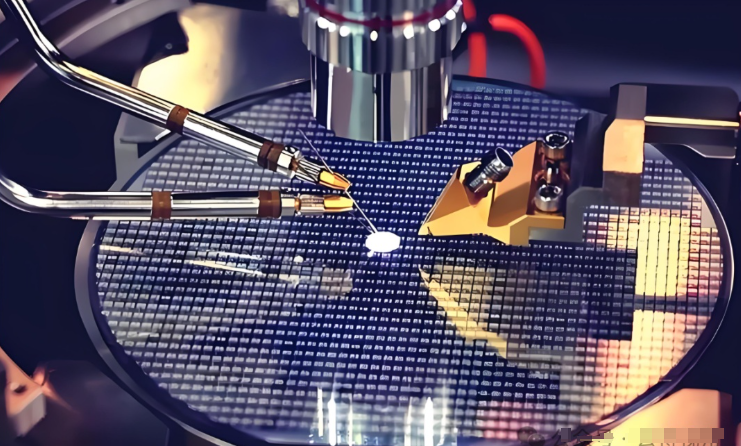
The industry is pushing hard toward lead-free and zero-emission standards. That’s great, but it makes the actual fabrication a bit of a headache. For a long time, we’ve relied on convection ovens. The problem is they just heat up the air. It’s slow, it wastes a ton of energy, and—worst of all—you’re basically blowing dust and particulates all over your wafers. We decided to stop messing with the air entirely. By using digital infrared (IR) controllers, we send energy straight into the substrate via electromagnetic radiation. No middleman.
Forget the oven, target the bond
Think of it this way: instead of heating up a whole room just to warm up a cup of coffee, IR is like using a microwave. It matches the light spectrum of the lamp to the absorption band of the material you’re curing. It targets the chemical bonds of the solder or adhesive directly. This means you aren’t waiting around for a chamber to warm up. You get heatinstantly. But here’s the tricky part: lead-free processes have a tiny margin for error. There’s a very thin line between “perfectly cured” and “totally ruined by heat.” To handle that, we use PID loops in our controllers. They keep the power steady and stop the temperature from spiking. We’re talking about a ±1°C window. It’s precise.
A cleaner way to work
Lead-free alloys are stubborn. They usually need higher temperatures than the old leaded stuff. Usually, that means cranking up industrial heaters and eating up a massive amount of electricity. IR lamps hit those high targets without the huge energy bill. Plus, you can ditch those nasty solvent-based cleaning agents that usually come with old-school drying cycles. It just feels cleaner.
The “Gotchas” (Engineering Trade-offs)
I won’t tell you it’s magic; there are things you have to plan for. High-intensity IR puts a lot of stress on your power supply. If you’re installing a high-wattage array, make sure your electrical panel can handle that initial surge of current when things kick on. You also have to deal with “heat soak.” The machine frame gets hot. If you don’t have a solid heat sink or some forced air cooling on the reflectors, the ambient heat can creep up and mess with your sensor readings. The good news? We designed these systems to be a simple swap. You pull out the old convection bank, drop in the IR array, wire it to the controller, and you’re done. You’re taking a curing cycle that used to take hours and knocking it down to minutes.