Why We’re Switching to IR for Lead-Free Rinse Lines
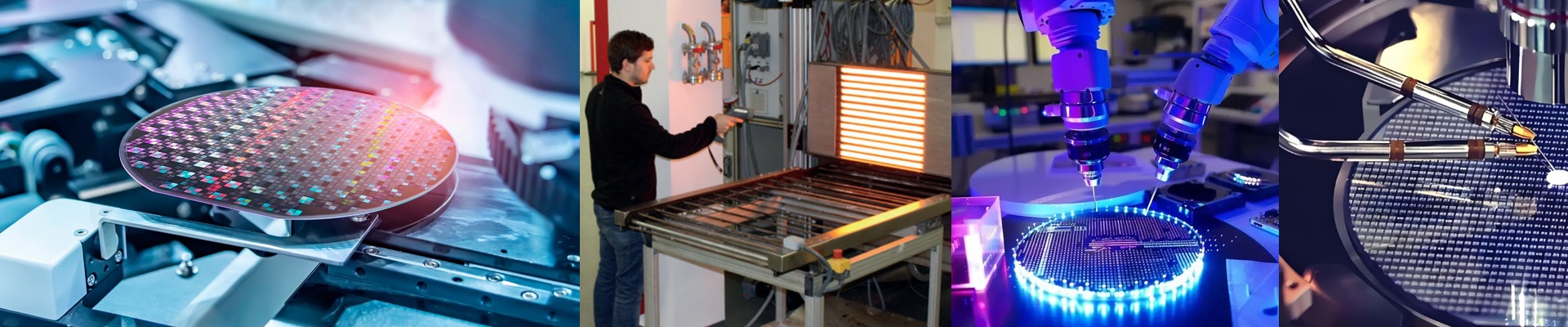
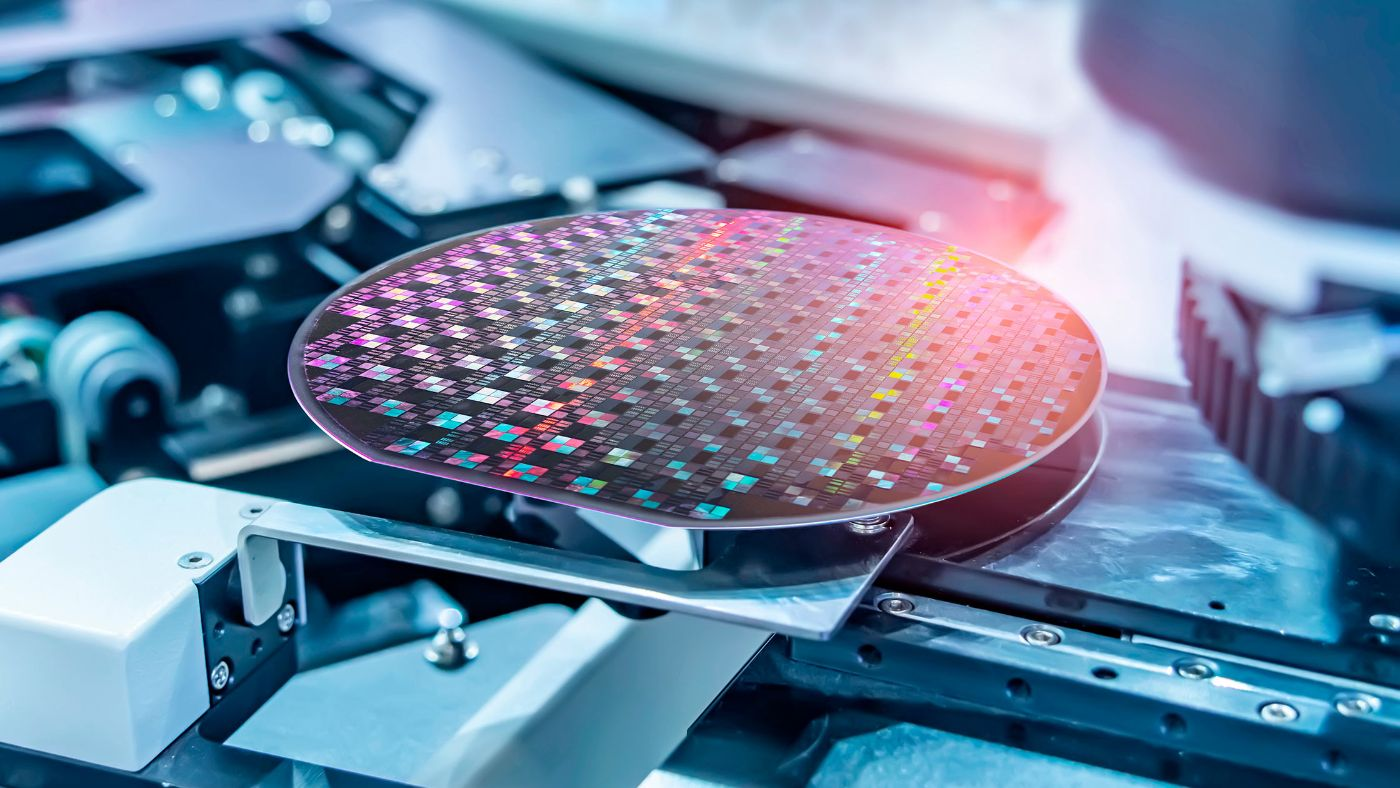
The semiconductor world is pushing hard toward “green” and lead-free standards. You can really see this happening in the drying stage of the rinse process. For a long time, we relied on convection ovens. But let’s be honest: heating up a massive chamber just to dry a few wafers is a waste of energy. That’s why we’ve moved toward Infrared (IR) lamps. Instead of heating the air, these lamps hit the wafer surface directly. No more giant air-handling units taking up space or bloating the cleanroom’s carbon footprint.
How the drying actually works
When you’re in the middle of a rinse, you’re dealing with a mess of moisture and chemical residues. To handle that, we use waterproofed IR lamps. If you used a standard lamp, the moisture would cause a short circuit or oxidize the filament almost instantly. It’s a quick way to kill your hardware. The real magic is in the radiant energy. The photons go straight through the liquid film on the wafer, making the water molecules vibrate and evaporate fast. And it’s fast. Really fast. Most of these systems hit the right temperature in seconds. That’s a huge deal because it stops those annoying water spots or “drying stains” from forming—the kind of stuff that kills your chip yields and makes you want to pull your hair out.
Dealing with the wet environment
Standard quartz tubes just can’t handle the abuse of a wet environment. We have to seal the electrodes and use special coatings to keep the circuitry bone-dry. We stick to high-intensity, short-wave output. This keeps the heat right where it belongs: on the surface of the substrate.
The trade-offs (because nothing is perfect)
Now, IR isn’t some magic wand. It comes with its own set of headaches. These lamps create intense, localized heat. If your conveyor speed is off, or if the wattage is too high, you’ll overheat the wafer or fry the photoresist. It’s a balancing act. You have to get the line speed and power output perfectly synced to avoid thermal shock. Plus, you can’t forget about the heat reflecting off the chamber walls. You’ll need a cooling system that can actually handle that bounce-back, or you’re just baking your equipment.