


Keeping Your Class 100 Cleanroom Actually Clean
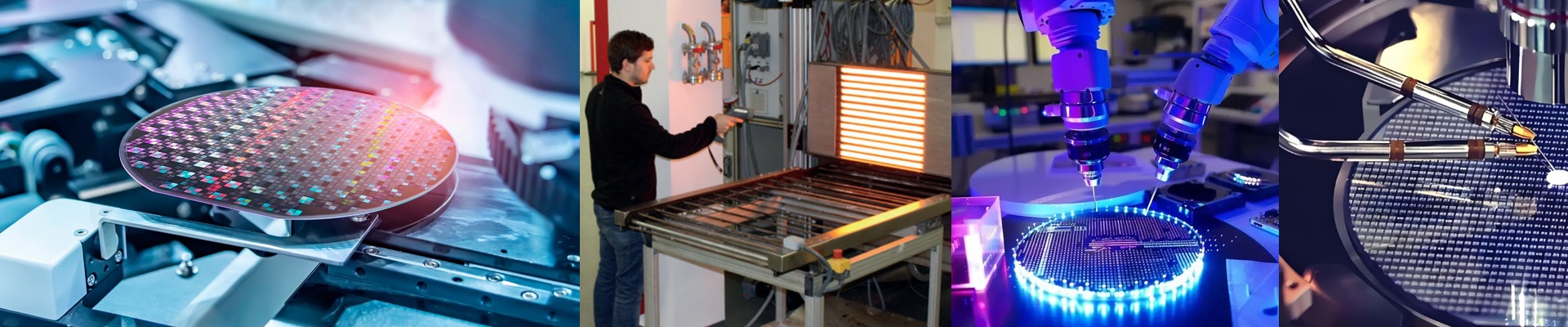
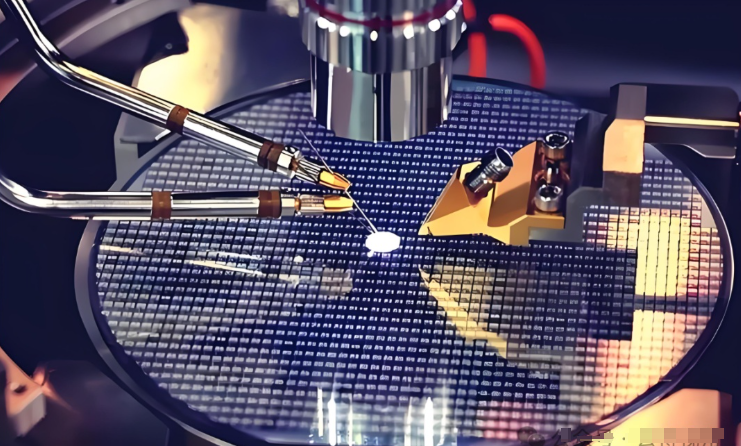
When you’re fabricating bio-sensors, “mostly clean” doesn’t cut it. One tiny flake of oxide or a stray bit of sealant is all it takes to trash a wafer or ruin a biological reagent. It’s frustrating. The problem is that most heating elements are dirty. They off-gas. They shed particles. If you bring a standard heater into a Class 100 environment, you’re basically inviting contamination to the party. That’s why we stick with high-purity synthetic quartz infrared lamps. How it actually works Most lamps rely on adhesives or metal caps. The thing is, those materials start to break down the moment they hit a thermal cycle. We just got rid of them. By using fused silica quartz, we’ve cut out the volatile organic compounds (VOCs) and the grit. Plus, we use shortwave infrared radiation. Instead of heating up the air around your project, the energy goes straight into the substrate. This is a huge deal because it stops those annoying convection currents from kicking up floor dust and landing right on your sensors. The nitty-gritty on the design We use a specific kind of quartz envelope that doesn’t crystallize when things get hot. We also make sure the filament is dead-center, so you get an even spread of heat across your entire work zone. You’ll notice we don’t use traditional potting compounds at the ends. They’re too risky. Instead, we use clean-room grade seals that stay put and don’t “leak” gas when the lamp cranks up to temperature. A few warnings from the field Here’s the catch: high-purity quartz is brittle. It handles a sudden temperature jump better than glass, but you absolutely cannot touch these tubes with your bare hands. The oils from your skin create hotspots, and those hotspots lead to the tube snapping or failing way too early. Stick to lint-free gloves and a bit of isopropyl alcohol for cleaning. And a quick tip on power: if you’re pushing these lamps to the limit to speed up your curing, double-check your ventilation. If the housing gets too hot, you might warp nearby plastic parts, and then your cleanroom seal is gone.